
Exosomes and Stem Cells: Exploring the Future of Regenerative Medicine
Regenerative medicine is rewriting the future of healthcare. Unlike conventional treatments that focus on managing symptoms, regenerative approaches aim to restore, repair, or replace damaged tissues at a cellular level. This scientific revolution promises solutions for injuries, degenerative diseases, and even age-related decline.
Two of the most exciting therapeutic tools in this field are stem cells and exosomes. Both offer groundbreaking potential, yet they work in very different ways. Stem cells act as the body's raw material, capable of generating entirely new tissues, while exosomes function as molecular messengers, orchestrating communication between cells.
This article explores the mechanisms, benefits, challenges, and future applications of stem cells and exosomes uncovering how they may work together to transform medicine.
The Promise of Stem Cells
Stem cells are often called the body's master cells. Unlike specialized cells, such as skin or muscle cells, stem cells have two extraordinary qualities:
- Self-renewal – the ability to make identical copies of themselves.
- Differentiation – the ability to transform into specialized cell types.
These properties make them indispensable for tissue growth, repair, and regeneration.
Types of Stem Cells
Different stem cells come with distinct potentials:
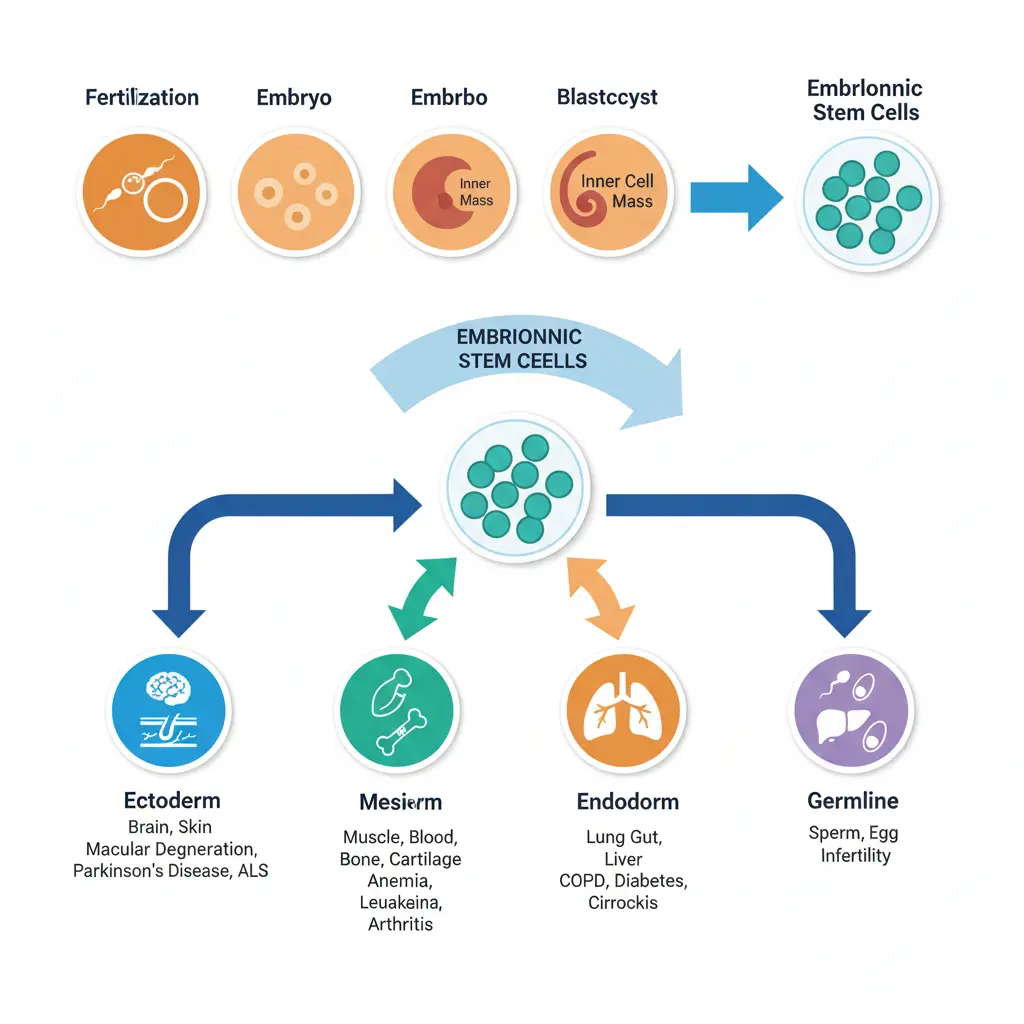
- Embryonic Stem Cells (ESCs): Pluripotent and able to differentiate into any of the 200+ cell types in the human body. Their potential is unmatched, but ethical and safety concerns (like tumor risks) limit their widespread use.
- Adult Stem Cells (ASCs): Found in tissues like bone marrow and fat. These cells are multipotent, meaning they can transform into a narrower range of cell types. They are safer but less versatile than ESCs.
- Perinatal Stem Cells: Extracted from umbilical cord blood and placental tissue, they strike a balance between accessibility, safety, and regenerative power.
- Induced Pluripotent Stem Cells (iPSCs): Created by reprogramming adult cells back into a pluripotent state. iPSCs bypass ethical concerns while retaining ESC-like versatility, but challenges in stability remain.
Mechanisms of Healing
Stem cells contribute to healing in multiple ways:
- Direct Tissue Replacement: For example, stem cells injected into a damaged heart may differentiate into new cardiac muscle cells.
- Paracrine Signaling: They secrete growth factors, cytokines, and extracellular vesicles that stimulate neighboring cells to repair themselves.
- Immunomodulation: Certain stem cells, like mesenchymal stem cells (MSCs), calm overactive immune responses, making them useful in autoimmune diseases or inflammation-driven conditions.
In practice, much of the benefit seen in stem cell therapy comes not from their direct integration into tissues but from the molecules they release which leads us to exosomes.
The Role of Exosomes
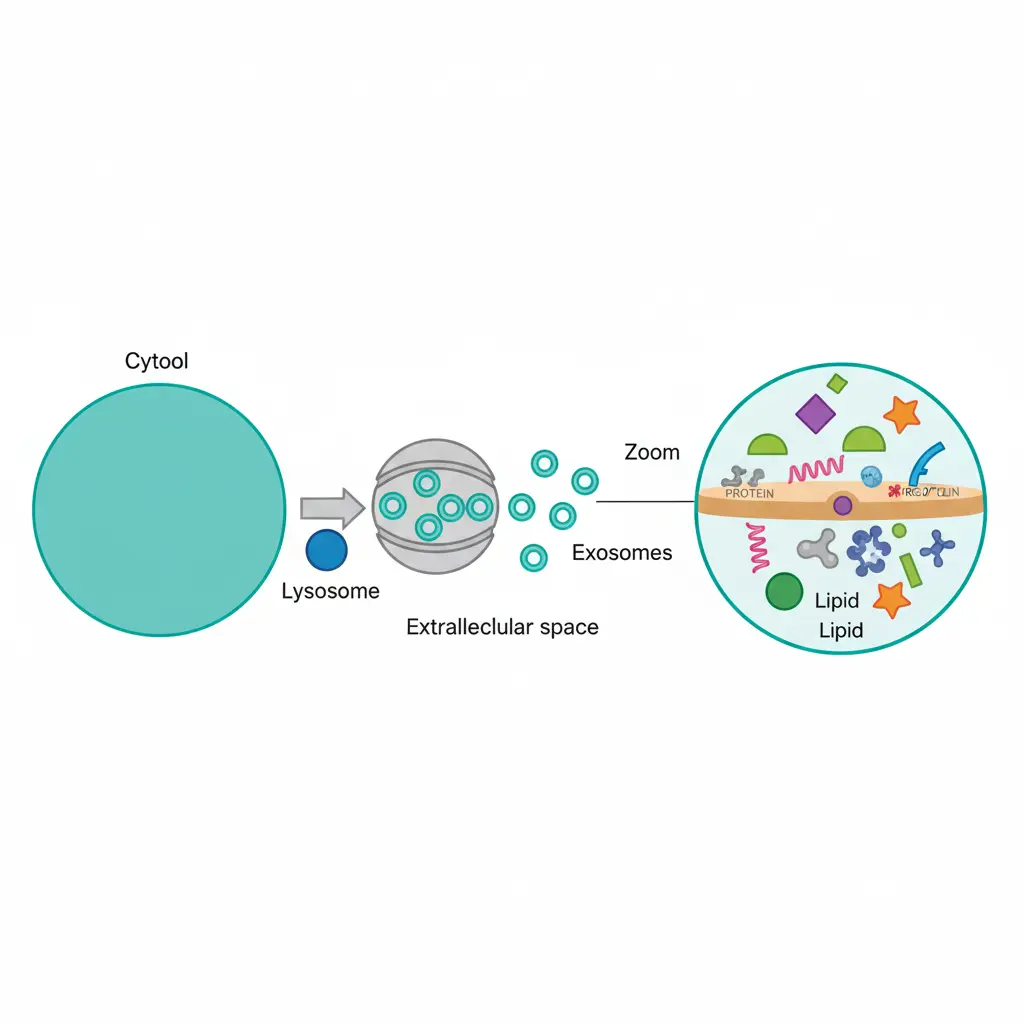
Exosomes are tiny extracellular vesicles nanoparticles ranging from 30 to 150 nanometers released by almost all cell types. They act as nature's couriers, carrying proteins, RNA, lipids, and signaling molecules from one cell to another.
Unlike stem cells, exosomes do not replicate or differentiate. Instead, they influence the behavior of recipient cells, often instructing them to repair, reduce inflammation, or grow.
Sources of Therapeutic Exosomes
The therapeutic value of exosomes depends on their parent cell type:
- MSC-Derived Exosomes: Known for anti-inflammatory and pro-healing effects, making them widely studied in orthopedics, neurology, and cardiology.
- Immune Cell-Derived Exosomes: These regulate immune function, with potential applications in immunotherapy for cancer and autoimmune diseases.
- iPSC/ESC-Derived Exosomes: Packed with powerful developmental signals, they hold promise for complex tissue regeneration.
- Tumor-Derived Exosomes: Though harmful in cancer progression, they are valuable as diagnostic biomarkers.
Unique Advantages of Exosomes
Exosomes bring several advantages over stem cells:
- Safety: They cannot divide or mutate, reducing tumor risk.
- Scalability: They can be mass-produced, standardized, and stored for "off-the-shelf" therapies.
- Delivery: Their nano-size allows them to cross biological barriers, including the blood-brain barrier, making them useful in treating neurological disorders.
Comparing Stem Cells and Exosomes
|
Feature |
Stem Cells |
Exosomes |
|---|---|---|
|
Primary Role |
Tissue regeneration through differentiation |
Cellular communication and repair signaling |
|
Risks |
Tumor formation, immune rejection |
Minimal risk (non-living particles) |
|
Therapeutic Mode |
Replaces damaged cells |
Directs existing cells to heal |
|
Scalability |
Patient-specific, harder to mass-produce |
Easier to standardize and store |
|
Stage of Research |
More clinical trials and FDA-approved uses |
Rapidly emerging, fewer approved therapies |
The truth is, they are not competitors. Instead, they represent complementary tools in regenerative medicine.
Applications in Regenerative Medicine
Both stem cells and exosomes are showing promise in a wide range of conditions:
- Neurological Disorders
- Stem cells may replace lost neurons in Parkinson's or spinal cord injuries.
- Exosomes can cross the blood-brain barrier, delivering neuroprotective factors in Alzheimer's or stroke recovery.
- Cardiovascular Repair
- Stem cells may help rebuild damaged heart tissue post-heart attack.
- Exosomes improve blood flow, reduce scarring, and stimulate angiogenesis.
- Orthopedics and Sports Medicine
- Stem cells are already being used in cartilage regeneration and tendon repair.
- Exosomes accelerate healing and reduce post-injury inflammation, offering a cell-free alternative for athletes.
- Immune-Related Conditions
- Stem cells modulate immune activity in autoimmune disorders.
- Exosomes deliver immunoregulatory molecules, showing promise in rheumatoid arthritis and inflammatory bowel disease.
- Anti-Aging and Longevity Medicine
Both stem cells and exosomes are being investigated as tools to combat aging. Exosomes are gaining traction in skincare and rejuvenation therapies due to their ability to reduce oxidative stress and stimulate collagen production.
This overlaps with other regenerative compounds like the highest quality peptides, which also play roles in tissue repair, hormonal balance, and cellular health. Just as peptides have expanded research options in recovery and performance science, exosomes and stem cells represent the next leap forward in biological repair.
Current Challenges
Despite their promise, both therapies face hurdles:
- Stem Cells: Ethical debates (for ESCs), risk of uncontrolled growth, and regulatory complexity.
- Exosomes: Lack of standardized isolation methods, uncertain dosing, and potential contamination.
- Cost and Accessibility: Both remain expensive, limiting access to research and treatment.
The future will likely require improved manufacturing processes, rigorous clinical testing, and tighter regulations before widespread adoption.
The Future: Synergy, Not Competition
One of the most exciting developments is the idea that stem cells and exosomes may work better together than alone.
- Stem Cells as Builders: Replacing lost or damaged tissue.
- Exosomes as Instructors: Directing the environment to reduce inflammation, stimulate healing, and recruit additional support.
In fact, some researchers believe that exosomes are the "active ingredient" of stem cell therapy. By combining both, or even engineering exosomes with customized therapeutic cargo, regenerative medicine could deliver safer and more powerful results.
Ethical and Commercial Perspectives
The commercial growth of regenerative medicine mirrors what has been seen in the peptide market. Just as companies now offer highest quality peptides and peptides for sale to fuel laboratory research and therapeutic exploration, biotech firms are racing to develop scalable exosome and stem cell platforms.
Ethically, exosomes may face fewer objections since they can be harvested without destroying embryos or altering genetic material. This could accelerate their acceptance into mainstream clinical care.
Looking Ahead
We are entering a medical era where diseases once thought incurable may soon be reversed. Conditions like heart failure, Alzheimer's, and spinal cord injuries could become treatable with stem cell and exosome-based therapies. Anti-aging medicine may also harness these tools to slow biological decline and extend healthspan.
Still, the journey is ongoing. Both therapies require years of rigorous testing before they can fully replace traditional approaches. But the vision is clear: regenerative medicine is moving us from symptom management toward true biological renewal.
Conclusion
Stem cells and exosomes are not rivals they are partners in a new age of healing. Stem cells provide the building blocks, while exosomes deliver the blueprints and instructions. Together, they hold the key to regenerative therapies that could transform human health.
Just as the availability of highest quality peptides has expanded research horizons in performance and recovery, stem cells and exosomes are expanding what is possible in medicine itself. Their synergy may well define the future of healthcare, moving us closer to a world where regeneration replaces degeneration.
The next decade will determine how quickly these therapies move from the lab to the clinic. But one thing is certain the fusion of stem cell and exosome science marks the dawn of a regenerative future.