
Peptides and Arthritis: Latest Research Findings

Arthritis is one of the most common chronic conditions worldwide, affecting millions of individuals across different age groups. Characterized by pain, swelling, and stiffness in the joints, arthritis not only impacts mobility but also greatly reduces overall quality of life. While conventional therapies can help manage symptoms, they often fall short of providing long-term relief. This has motivated scientists to explore new therapeutic frontiers, including peptide-based treatments, which are beginning to show encouraging results in both preclinical and clinical research.
In this article, we will examine why current arthritis treatments are often limited, introduce promising peptide therapies such as ARA-290, Thymosin Alpha-1, and AOD-9604, and review their mechanisms, research outcomes, and potential advantages over traditional medications.
Understanding Arthritis and Its Challenges
The term arthritis encompasses more than 100 conditions that affect the joints, but the most common types are:
- Osteoarthritis (OA): Typically age-related, resulting from gradual wear and tear of cartilage.
- Rheumatoid arthritis (RA): An autoimmune disorder where the immune system mistakenly attacks joint tissues.
- Gout: Triggered by the buildup of uric acid crystals in the joints, leading to sudden and severe pain.

The development of arthritis is influenced by multiple factors: genetics, age, lifestyle, joint injuries, and metabolic conditions. Lifestyle habits such as smoking, alcohol use, and sedentary behavior also increased risk.
The underlying problem often comes down to cartilage breakdown and chronic inflammation. Cartilage cushions the joints and enables smooth motion, but as it deteriorates, bones rub against each other, causing pain and stiffness. Inflammatory forms of arthritis add another layer of complexity, as the immune system itself drives the damage.
Unfortunately, arthritis has no cure. Current treatments including NSAIDs, corticosteroids, disease-modifying antirheumatic drugs (DMARDs), and physical therapy aim to slow progression and reduce pain. However, these options often come with side effects, varying effectiveness, or limited long-term benefit. This unmet need has paved the way for exploring alternatives, including peptides derived from the highest quality peptides research.
Why Peptides Are Being Studied for Arthritis
Peptides are short chains of amino acids that play vital roles in cellular communication, immune regulation, and tissue repair. Unlike traditional drugs, peptides can target specific biological pathways with precision, offering potential for fewer side effects and more effective outcomes.
In the context of arthritis, peptide-based therapies are being investigated for their ability to:
- Reduce inflammation by regulating cytokine production.
- Support cartilage regeneration.
- Promote tissue repair and healing.
- Provide pain relief without the risks of long-term steroid or NSAID use.
Three peptides of particular interest in arthritis research are ARA-290, Thymosin Alpha-1, and AOD-9604. Let's take a closer look at each.
ARA-290: Modulating Inflammation and Repair
One of the most promising peptides under investigation for arthritis is ARA-290, derived from erythropoietin (EPO). Unlike EPO, which is primarily known for stimulating red blood cell production, ARA-290 is designed to retain EPO's anti-inflammatory and tissue-protective effects without causing blood thickening or other complications.
Mechanism of Action
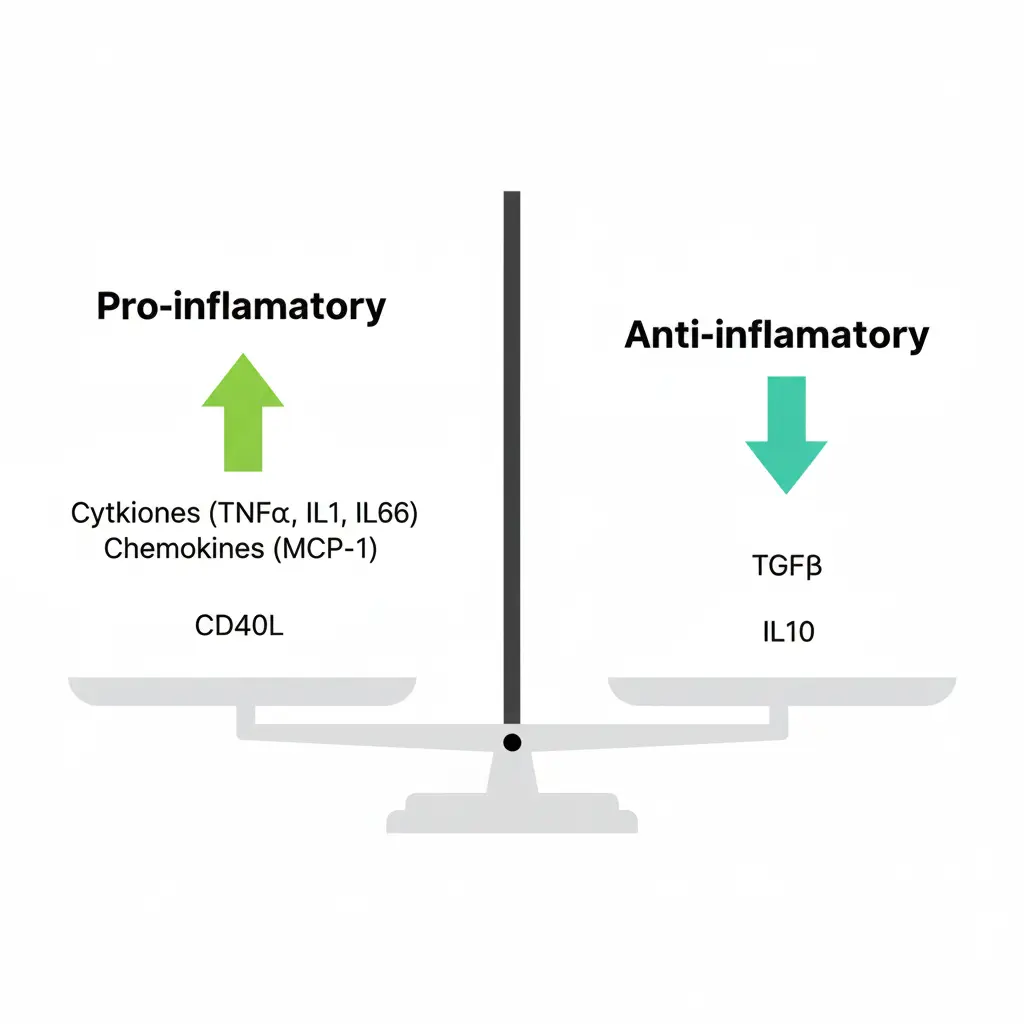
ARA-290 works by binding to specific EPO receptors that regulate inflammation and repair. This interaction reduces the production of pro-inflammatory cytokines like TNF-α and IL-1β, while increasing levels of protective mediators such as IL-10 and VEGF. The net result is less inflammation, better tissue healing, and improved joint function.
Research Findings
- Animal Studies: Research in rat models of arthritis has shown that ARA-290 reduces pain, inflammation, and joint damage while improving mobility.
- Cartilage Regeneration: Laboratory studies suggest that ARA-290 can stimulate cartilage repair, a crucial advantage since cartilage naturally has limited capacity to regenerate.
- Clinical Trials: A Phase II open-label study assessed ARA-290 in rheumatoid arthritis patients. Results showed encouraging improvements in pain scores and quality of life, with no major safety issues reported. While the trial was small, it provided proof-of-concept evidence that ARA-290 may be a safe and effective therapy.
Overall, ARA-290 represents a unique peptide candidate with the ability to address both inflammation and tissue repair, which are key challenges in arthritis management.
Thymosin Alpha-1: Immune Modulation in Autoimmune Arthritis
Another peptide being studied for arthritis is Thymosin Alpha-1 (Tα1), which is already recognized for its immune-modulating properties. Originally isolated from the thymus gland, Tα1 enhances immune function and balances inflammatory responses.
Potential Role in Arthritis
Since rheumatoid arthritis and other inflammatory forms of arthritis involve immune system dysfunction, Tα1 offers promise by:
- Modulating immune activity to reduce harmful inflammation.
- Protecting joint tissues from autoimmune attack.
- Supporting general immune health, which is often compromised in chronic disease patients.
While clinical research on Tα1 in arthritis is still in its early stages, its established role in immune therapy makes it a candidate worth following closely.
AOD-9604: Joint Repair and Weight Management
AOD-9604, a peptide fragment originally derived from human growth hormone, has gained attention for its regenerative properties and ability to support fat metabolism.
Why It Matters for Arthritis
Excess body weight is a major risk factor for osteoarthritis, as it increases stress on weight-bearing joints like the knees and hips. AOD-9604 has been shown to aid in fat metabolism and potentially support weight management, indirectly reducing joint stress.
Additionally, AOD-9604 may help stimulate cartilage repair and reduce inflammation, making it a dual-action candidate for arthritis treatment.
Comparing Peptides to Traditional Arthritis Therapies
Traditional arthritis medications often fall into two categories: pain relief and immune suppression. While they may ease symptoms, they rarely address the root causes of tissue damage and often carry risks with long-term use.
Peptides, on the other hand, are designed to interact with specific molecular pathways. This precision could:
- Minimize side effects.
- Enhance tissue regeneration.
- Offer safer long-term treatment options.
The ability to combine the highest quality peptides with other therapies may also open the door to personalized arthritis treatment strategies in the future.
Future Outlook
The field of peptide research for arthritis is still evolving. While early studies on ARA-290, Thymosin Alpha-1, and AOD-9604 are promising, larger and more rigorous clinical trials are needed to confirm their safety and effectiveness. If these therapies continue to show positive outcomes, they could eventually become part of standard arthritis care.
What makes peptides exciting is their potential to do more than just manage symptoms they may actually change the course of disease by repairing tissues and modulating immune responses. This represents a significant shift from the conventional "pain management" model of arthritis treatment.
Final Thoughts
Arthritis remains a global health challenge, with millions of people struggling to maintain mobility and quality of life. While traditional treatments provide some relief, they often do not fully address the disease's complexity. Peptide-based therapies such as ARA-290, Thymosin Alpha-1, and AOD-9604 are opening new possibilities by targeting inflammation, immune dysfunction, and tissue repair with precision.
Though more research is needed, the progress so far is encouraging. As science advances, peptide therapies may soon offer arthritis patients safer, more effective, and more comprehensive treatment options.