
The Science of NAD⁺ and Glutathione: Anti-Aging Insights and Combined Potential
Aging is an inevitable biological process, yet emerging research in molecular biology and longevity science suggests that its pace can be influenced. At the core of these discoveries are two critical molecules: nicotinamide adenine dinucleotide (NAD⁺) and glutathione (GSH). NAD⁺ is a coenzyme vital for energy metabolism, DNA repair, and the regulation of longevity-related proteins, whereas glutathione functions as the body's primary intracellular antioxidant, protecting cells from oxidative stress. Both molecules naturally decline with age, and this decline can lead to reduced cellular resilience, impaired metabolism, and accelerated aging. Understanding their individual roles, interactions, and potential therapeutic applications is essential for developing interventions aimed at enhancing the human health span.
This article explores the science behind NAD⁺ and glutathione, their mechanisms of action, synergistic potential, and practical approaches for maintaining healthy levels, including supplementation with L-Glutathione 600mg and high-quality peptide formulations.
NAD⁺: The Cellular Energy Currency
NAD⁺ is a coenzyme present in every cell, central to the production of ATP the primary energy currency of life. It plays a critical role in electron transfer during glycolysis, the citric acid (Krebs) cycle, and mitochondrial oxidative phosphorylation. NAD⁺ cycles between its oxidized (NAD⁺) and reduced (NADH) states, allowing cells to extract energy efficiently from nutrients.
Beyond energy metabolism, NAD⁺ serves as a substrate for several enzymes integral to cellular maintenance and longevity. Sirtuins, a family of NAD⁺-dependent proteins, regulate mitochondrial function, DNA repair, and metabolic homeostasis. PARPs (poly(ADP-ribose) polymerases), another NAD⁺-dependent enzyme group, facilitate DNA repair and genomic stability. Together, these pathways underscore NAD⁺'s centrality in maintaining cellular health.
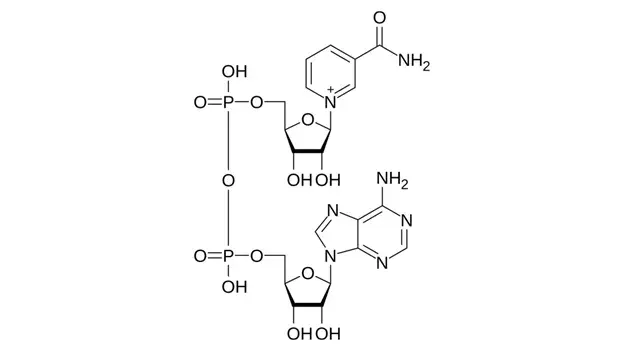
Unfortunately, NAD⁺ levels decline significantly with age sometimes by more than 50% in tissues. Factors contributing to this reduction include increased consumption by PARPs in response to DNA damage, chronic inflammation activating the NAD⁺-degrading enzyme CD38, and decreased endogenous NAD⁺ synthesis. This decline results in impaired mitochondrial function, reduced sirtuin activity, slower DNA repair, and overall cellular energy deficits.
NAD⁺ Supplementation
Animal studies highlight the potential of NAD⁺ restoration in promoting healthy aging. In aged mice, supplementation with NAD⁺ precursors such as nicotinamide riboside (NR) or nicotinamide mononucleotide (NMN) boosts NAD⁺ levels, improves mitochondrial function, enhances insulin sensitivity, reduces DNA damage, and restores physical activity levels. These findings have inspired human trials investigating NAD⁺ precursors as potential anti-aging interventions, showing promise in metabolic health, cardiovascular function, and possibly cognitive performance.
NAD⁺ also plays a role in mitochondrial biogenesis, cellular stress resistance, and circadian rhythm regulation, positioning it as a key molecular target in longevity research.
Glutathione: The Master Antioxidant
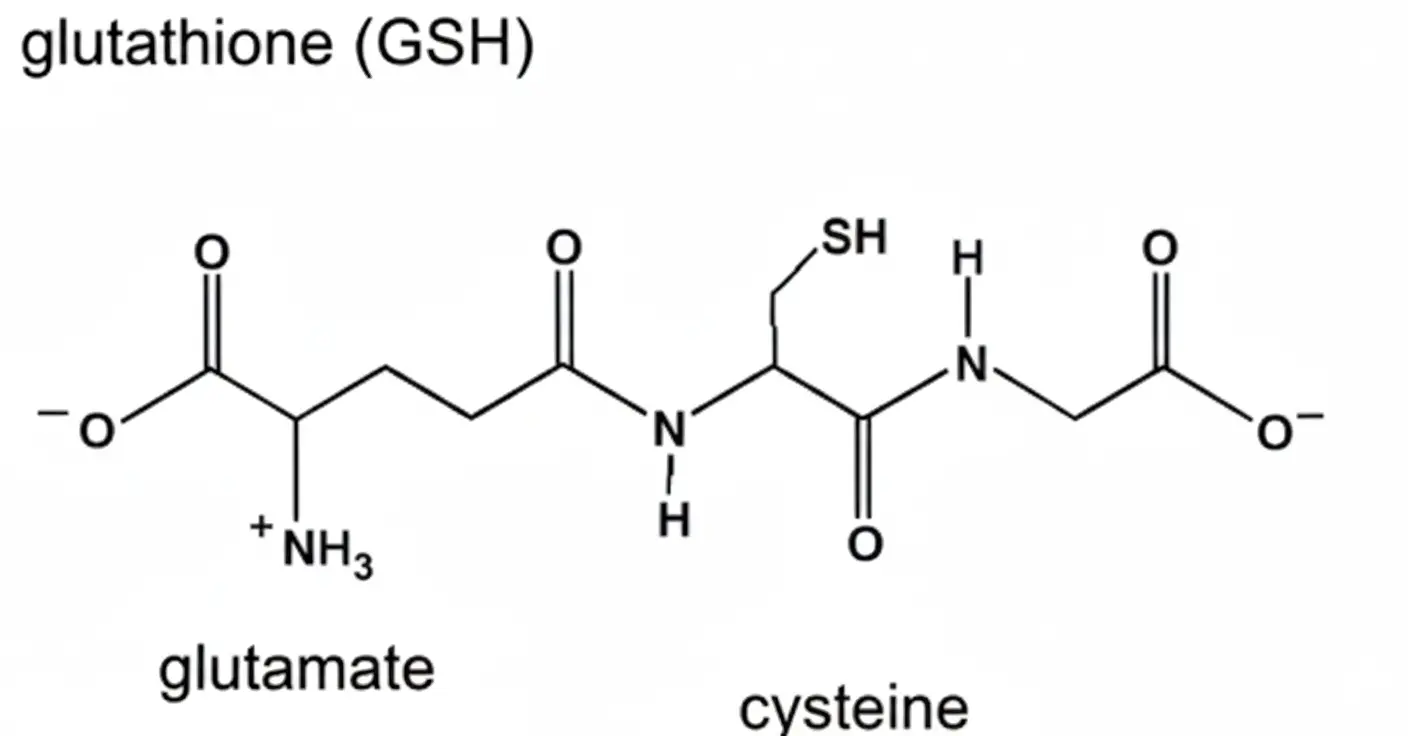
Glutathione, a tripeptide composed of glutamate, cysteine, and glycine, is often referred to as the "master antioxidant" due to its abundance and central role in neutralizing reactive oxygen species (ROS). It exists in reduced (GSH) and oxidized (GSSG) forms, with cells maintaining a high ratio of GSH to GSSG under healthy conditions. This ratio serves as a biomarker for cellular redox balance and overall cellular health.
Functions of Glutathione
- Oxidative Stress Defense: GSH donates electrons to neutralize ROS, preventing damage to DNA, proteins, and lipid membranes.
- Detoxification: It conjugates with toxins, heavy metals, and xenobiotics, facilitating their removal from the body.
- Regeneration of Other Antioxidants: Glutathione helps regenerate vitamins C and E, further amplifying antioxidant defenses.
Glutathione levels decline with age, leaving cells more susceptible to oxidative damage, inflammation, and metabolic dysfunction. Low GSH concentrations are associated with frailty, cognitive decline, and chronic diseases. Conversely, individuals with preserved glutathione levels often exhibit markers of slower aging, suggesting that GSH maintenance contributes to healthier longevity.
Supporting Glutathione Levels
Supplementation with L-Glutathione 600mg or glutathione precursors such as N-acetylcysteine (NAC) and glycine can enhance cellular antioxidant capacity. GlyNAC supplementation a combination of glycine and NAC has demonstrated significant benefits in older adults, improving mitochondrial function, reducing oxidative stress, lowering inflammation, and enhancing insulin sensitivity.
High glutathione levels support detoxification, maintain redox balance, and protect mitochondria, all of which are critical for slowing age-related cellular decline.
NAD⁺ and Glutathione: Complementary Roles in Aging
Both NAD⁺ and glutathione are pivotal for cellular homeostasis, and their combined effects are particularly relevant to aging, which is characterized by mitochondrial dysfunction, redox imbalance, chronic inflammation, and genomic instability.
Mitochondrial Function
Mitochondria are the cell's energy generators and are particularly vulnerable to age-related decline. NAD⁺ is essential for mitochondrial energy metabolism and activates sirtuins such as SIRT3, which enhance mitochondrial efficiency. Glutathione neutralizes ROS generated within mitochondria, preventing oxidative damage. Together, they preserve mitochondrial integrity and energy production.
Redox Balance and Inflammation
Aging is accompanied by increased oxidative stress. NAD⁺ supports NADPH production, which is essential for recycling oxidized glutathione (GSSG) back to its reduced form (GSH). Adequate NAD⁺ and GSH levels maintain redox homeostasis, limit inflammation, and prevent cellular senescence. Deficiencies in either molecule lead to oxidative stress, mitochondrial dysfunction, and accelerated aging.
DNA Repair and Detoxification
NAD⁺ fuels PARPs and sirtuins, which repair DNA and regulate stress responses. Glutathione prevents oxidative DNA damage, reducing PARP overactivation and conserving NAD⁺ stores. Additionally, GSH detoxifies harmful metabolites, further protecting cells from inflammation and damage. Together, these molecules support genomic stability, autophagy, and cellular renewal.
Synergy Between NAD⁺ and Glutathione
Emerging research highlights the biochemical interplay between NAD⁺ and glutathione. SIRT3, an NAD⁺-dependent mitochondrial enzyme, activates IDH2 to produce NADPH, which is then used by glutathione reductase to recycle GSSG back to GSH. NAD⁺ availability ensures efficient glutathione recycling, while glutathione reduces oxidative DNA damage and PARP overactivation, conserving NAD⁺.
This feedback loop maintains mitochondrial function, reduces oxidative stress, and supports metabolic efficiency. Both molecules also regulate inflammation NAD⁺-dependent sirtuins suppress NF-κB activity, and glutathione neutralizes ROS and sustains NRF2-mediated antioxidant gene expression. By preserving both NAD⁺ and glutathione, cells can maintain redox balance, reduce inflammation, and mitigate age-related dysfunction.
Research Evidence
Cell and Animal Studies
Experimental models consistently show that boosting NAD⁺ or glutathione enhances cellular resilience. In mice, GlyNAC supplementation increased both NAD⁺ and GSH levels, improved mitochondrial function, reduced oxidative stress, and extended lifespan by up to 24%. Similarly, NAD⁺ precursor supplementation enhanced muscle strength, cognitive function, and metabolic health in aged animals.
Human Observational Data
In humans, NAD⁺ and GSH decline with age across multiple tissues. Centenarians often maintain youthful NAD⁺ and GSH levels, correlating with preserved metabolic health, cognitive function, and physical performance. Low levels, in contrast, are associated with frailty, chronic disease, and impaired stress response.
Clinical Trials
Small human trials have demonstrated that NR and NMN safely elevate NAD⁺ levels and may modestly improve cardiovascular, metabolic, and cognitive outcomes. GlyNAC supplementation in older adults increased L-Glutathione 600mg levels, reduced oxidative stress, enhanced insulin sensitivity, and improved physical performance. These findings suggest that glutathione restoration can reverse multiple markers of aging and support NAD⁺ metabolism by reducing its consumption under stress.
Practical Applications
Supplementation Strategies
- NAD⁺ Precursors: NR and NMN are widely studied for increasing NAD⁺ levels.
- Glutathione Support: Oral or IV L-Glutathione 600mg, NAC, and glycine enhance intracellular GSH.
- Combination Therapy: Targeting both NAD⁺ and glutathione may produce synergistic effects, optimizing mitochondrial function, redox balance, and DNA repair.
Delivery Innovations
Advances in delivery methods improve bioavailability, including liposomal formulations, intranasal NAD⁺ sprays, and nanoparticle-based co-delivery systems. Intravenous administration of NAD⁺ and glutathione is used in wellness clinics, although oral precursors currently offer the most evidence-backed and practical approach.
Personalized Approaches
Biomarker-based personalization may enhance efficacy. Measuring NAD⁺, GSH, or the GSH:GSSG ratio can guide supplementation strategies. Personalized interventions can optimize cellular resilience, metabolic efficiency, and anti-aging outcomes.
Future Directions
Future strategies include enhancing endogenous NAD⁺ and glutathione production through gene therapy, CRISPR-based modulation of key enzymes, or targeted activation of transcription factors like NRF2. Combining NAD⁺ precursors with highest quality peptides and mitochondrial antioxidants may offer comprehensive, multi-targeted anti-aging strategies.
Conclusion
NAD⁺ and glutathione are critical molecular guardians, regulating energy metabolism, redox balance, DNA repair, and inflammation. Their decline drives many hallmarks of aging, while supplementation with NAD⁺ precursors and L-Glutathione 600mg can restore cellular function, improve metabolic health, and enhance resilience. The synergy between these molecules underscores their potential as a cornerstone of longevity interventions.
As research progresses, strategies that combine NAD⁺ support with glutathione optimization and possibly highest quality peptides may become central to personalized anti-aging therapies. By maintaining these critical molecules, individuals can improve health span, reduce age-related decline, and support cellular vitality throughout life.