
SS-31 Peptide: Exploring Its Biochemical Effects and Research Potential
In the vast and rapidly evolving world of biochemistry, we are witnessing a paradigm shift. For decades, the focus was largely on the genome, the blueprint of life. But recently, the spotlight has swung toward the engine of life: the mitochondria.
As researchers peel back the layers of cellular function, they are discovering that the health of our mitochondria dictates everything from how we age to how our immune system fights off threats. At the forefront of this exploration is a molecule that is generating unprecedented excitement in peptide labs around the globe: SS-31 peptide (also known as elamipretide).
This isn't just another signaling molecule. SS-31 is distinct because it targets the very machinery of cellular energy. In this article, we will take a deep dive into the intriguing properties of SS-31, exploring its unique mechanism of action and how it is reshaping our understanding of cellular energetics, oxidative stress, and mitochondrial resilience.
The "Velcro" Effect: Structural and Biochemical Properties
To understand why SS-31 is so special, we first need to look at its architecture.
SS-31 is a small, synthetic peptide composed of just four amino acids. In the complex world of proteins, this is tiny, but its size is its strength. This compact structure allows it to navigate cellular barriers with relative ease. However, its true genius lies in its "sequence-configuration." It was engineered to be amphipathic, meaning it has both water-loving (hydrophilic) and fat-loving (hydrophobic) parts.
This dual nature allows the SS-31 peptide to penetrate the cell and head straight for a very specific target: Cardiolipin.
Cardiolipin is a unique phospholipid found exclusively in the inner mitochondrial membrane (IMM). Think of the inner mitochondrial membrane as a highly complex circuit board, and cardiolipin as the glue that holds the components in place. It anchors the protein complexes responsible for creating energy. When we age or suffer from metabolic disease, this "glue" degrades.
Current research theorizes that SS-31 acts like a molecular patch. Because of its positive charge, it is magnetically drawn to the negatively charged mitochondrial matrix. Once there, it binds selectively to cardiolipin, stabilizing the membrane structure. This is a critical distinction: SS-31 doesn't just float around the cell; it integrates into the membrane scaffold, potentially restoring the physical architecture required for optimal function.
Mitochondrial Bioenergetics: Tuning the Engine
The primary reason researchers are clamouring to buy peptide USA sourced compounds for their studies is to test SS-31's effect on bioenergetics.
Mitochondria are famously known as the "powerhouse of the cell" because they generate Adenosine Triphosphate (ATP) , the fuel for every heartbeat, thought, and movement. This energy is created through a process called Oxidative Phosphorylation, which takes place along the Electron Transport Chain (ETC).
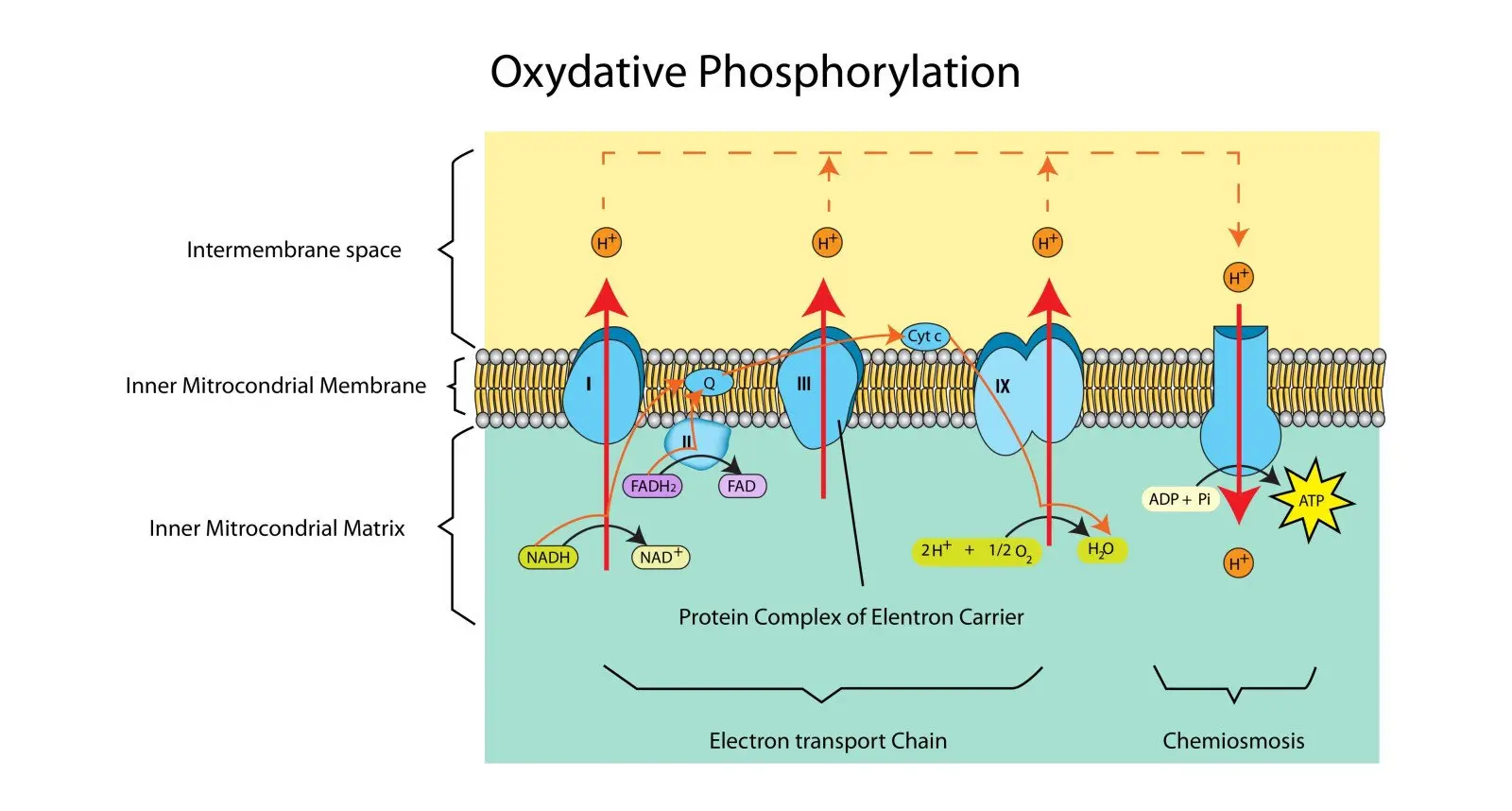
In a healthy cell, electrons zip down this chain like cars on a highway, creating energy. In a damaged cell, the highway is full of potholes (destabilized cardiolipin), and traffic jams occur. These jams lead to a drop in ATP production.
Investigations purport that SS-31 works by smoothing out the highway. By stabilizing the interaction between cardiolipin and the respiratory chain complexes, SS-31 might enhance the efficiency of electron transfer. This doesn't necessarily mean it "boosts" energy beyond natural limits, but rather that it restores the engine to its factory settings. For researchers studying conditions like ischemia or heart failure where energy failure is the root cause SS-31 offers a tool to dissect the molecular underpinnings of these energy crises.
The Rust Remover: Oxidative Stress and Cellular Resilience
Perhaps the most compelling area of SS-31 research involves its relationship with Oxidative Stress.
Oxidative stress is an inevitable byproduct of breathing oxygen. As our mitochondria burn fuel, they produce exhaust in the form of Reactive Oxygen Species (ROS). In small amounts, ROS are useful signaling molecules. But when the mitochondria are damaged, they start leaking ROS uncontrollably. This is often compared to "biological rust."
The inner mitochondrial membrane is particularly vulnerable to this rust because it is rich in unsaturated lipids. When these lipids oxidize, the membrane becomes stiff and permeable, leading to cell death.
How SS-31 Intervenes: The hypothesis is that SS-31 confers protection not by neutralizing ROS after they are produced (like Vitamin C would), but by preventing their production in the first place. By optimizing the flow of electrons, fewer electrons "leak" out to form ROS. Furthermore, by physically shielding cardiolipin molecules, SS-31 prevents them from being oxidized.
This protective mechanism has made SS-31 a vital probe for scientists. It allows them to investigate the pathways implicated in oxidative damage without the confounding variables of traditional antioxidants. It is currently being used to explore strategies for enhancing cellular resilience in neurobiology and metabolic research, offering a window into how we might one day protect tissues from the ravages of aging.
Mitochondrial Dynamics: The Dance of Fusion and Fission
Mitochondria are not static; they are shapeshifters. They constantly merge (fusion) to share resources and split (fission) to multiply or remove damaged parts (mitophagy). This constant dance is essential for cellular homeostasis.
Disruption in these dynamics is a hallmark of neurodegeneration. If mitochondria cannot fuse, they lose efficiency. If they cannot divide, they cannot be recycled.
Studies suggest that SS-31 might be a valuable molecular tool for investigating this regulation. By stabilizing the membrane, SS-31 may indirectly support the machinery required for fusion and fission. Research is currently underway to see if SS-31 can help "reset" mitochondrial morphology in diseased cells, offering a potential explanation for its observed therapeutic effects in animal models of disease.
Expanding Frontiers: Immunology and Regeneration
The versatility of the SS-31 peptide suggests its utility extends far beyond simple energy production.
Immunology: Immune cells are energy hungry. When a T-cell detects a virus, it needs a massive burst of ATP to multiply and attack. Researchers are now exploring how SS-31 might influence "immunometabolism." Could optimizing mitochondrial function help the immune system respond more vigorously to threats? Or conversely, could it help calm the chronic inflammation seen in autoimmune disorders by reducing ROS signaling?
Regenerative Science: Stem cells rely on a tightly regulated metabolic switch. They stay dormant (quiescent) using one type of energy, and switch to active metabolism when it's time to repair tissue. SS-31 is being used as a model molecule to examine these transitions. If researchers can identify the factors that optimize this switch, it could advance the development of novel regenerative strategies.
Navigating the Market: Research vs. Supplements
A critical note for the consumer: the internet is currently flooded with peptides supplements claiming to offer mitochondrial youth. It is vital to distinguish between marketing and science.
SS-31 is currently a research compound. While the data is promising, it is largely derived from controlled laboratory studies. When scientists look to buy peptide USA based products, they are seeking highly purified, lyophilized powders intended for experimentation, not casual dietary supplementation. The specific bioavailability and long-term effects in healthy humans are still being mapped out.
Challenges and Future Directions
While SS-31 presents a compelling avenue for research, science is rarely straightforward. Several questions remain unanswered.
- Specificity: While we know it binds to cardiolipin, the downstream biochemical impacts on other cellular lipids require further elucidation.
- Tissue Differences: Mitochondria in the heart are structurally different from those in the brain or liver. Researchers must determine how the peptide's activity varies across these different biological environments.
Conclusion
SS-31 (elamipretide) represents a fascinating molecule with significant implications for the future of medicine. It challenges the old view of treating disease by addressing symptoms and instead asks us to look at the root cause: the energy failure of the cell.
Its unique interaction with cardiolipin and its hypothesized impacts on stability, oxidative stress, and bioenergetics position it as a critical tool for advancing scientific understanding. As researchers continue to explore its properties, SS-31 peptide may pave the way for innovative approaches to studying the fundamental processes that sustain life itself. For now, it remains one of the most exciting frontiers in the study of cellular resilience.