
Tesamorelin Explained: Mechanisms and New Frontiers in Metabolic & Longevity Research
Introduction: The Challenge of Aging and Hormonal Decline
Aging is an inevitable process marked by a cascade of physiological changes. Among the most profound is the decline in growth hormone (GH) secretion. Research shows GH output decreases by approximately 15% per decade after early adulthood. This decline contributes not only to visible signs of aging, such as muscle loss and fat accumulation, but also to hidden metabolic changes that significantly impact long-term health.
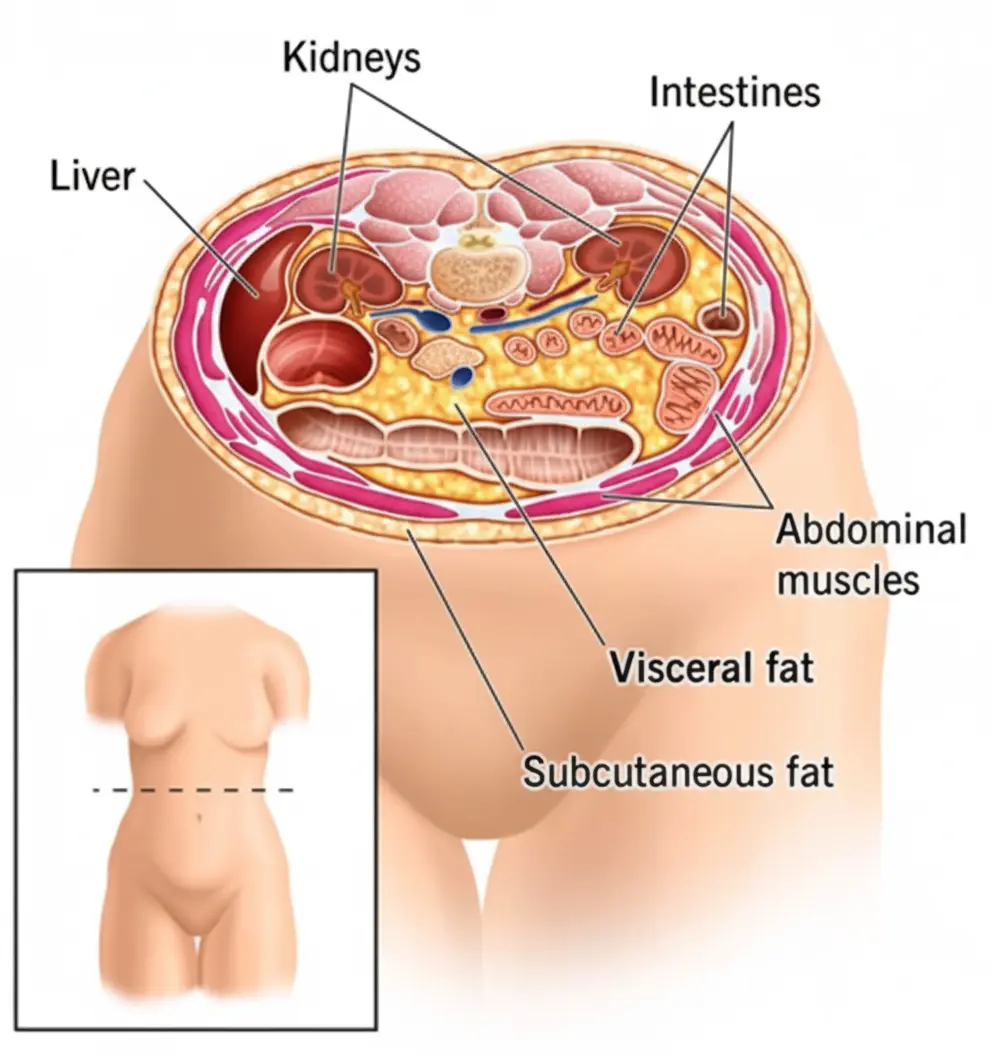
One of the most concerning consequences of reduced GH is the accumulation of visceral adipose tissue (VAT). Unlike subcutaneous fat that lies under the skin, VAT surrounds critical organs like the liver, intestines, and pancreas. Far from being inert, VAT behaves like an endocrine organ, releasing inflammatory cytokines and adipokines that disrupt metabolic balance.
Elevated VAT levels are associated with:
- Insulin resistance and higher risk of type 2 diabetes
- Cardiovascular disease through arterial stiffness and endothelial dysfunction
- Liver disease, including nonalcoholic fatty liver disease (NAFLD)
- Systemic inflammation, which accelerates biological aging
Intriguingly, research demonstrates that even individuals with a normal body mass index (BMI) but excess VAT have significantly higher risks of mortality and chronic disease. This emphasizes the limitations of BMI as a sole health measure and underscores the need for deeper metabolic solutions.
In this context, peptides such as tesamorelin have drawn attention for their ability to restore GH dynamics naturally, improve fat distribution, and help mitigate age-related metabolic decline.
Tesamorelin: A Unique Approach to Growth Hormone Restoration
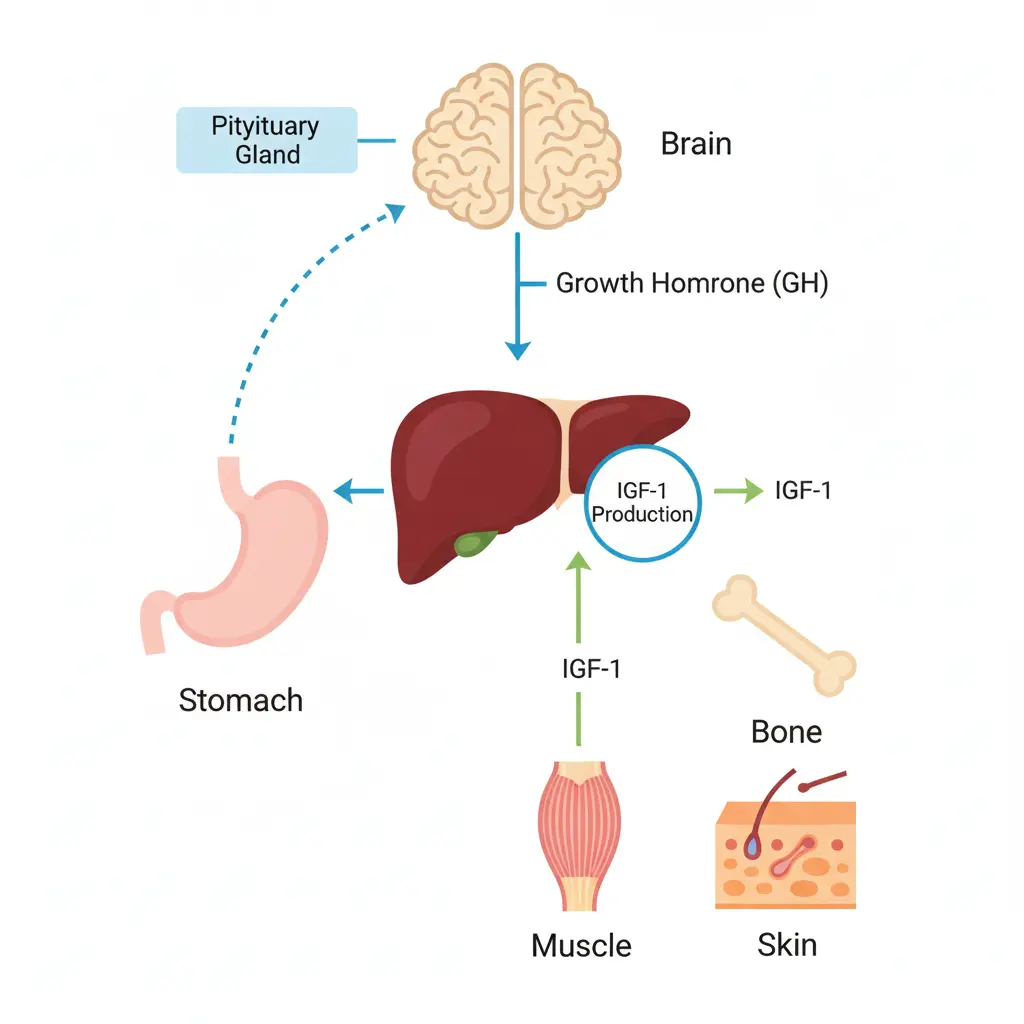
Tesamorelin is a synthetic analog of growth hormone-releasing hormone (GHRH). Unlike direct GH injections, which deliver supraphysiologic hormone doses and can disrupt natural feedback loops, tesamorelin works by activating GHRH receptors in the pituitary gland. This stimulation triggers the pulsatile release of GH, mimicking the body's natural rhythm.
The advantages of this approach are clear:
- Physiologic regulation preserved: Tesamorelin does not override natural hormonal balance.
- Reduced risks: Lower chance of side effects like glucose intolerance or receptor desensitization.
- Targeted fat reduction: GH released through tesamorelin primarily acts on visceral fat cells, promoting lipolysis.
The result is a compound that improves body composition and metabolic outcomes while minimizing the risks associated with long-term GH therapy.
Molecular Design and Mechanism
Tesamorelin is a 44-amino acid peptide that structurally mimics human GHRH. A crucial modification a trans-3-hexenoic acid group at its N-terminal tyrosine protects the molecule from enzymatic breakdown, giving it enhanced bioavailability and a longer half-life than natural GHRH.
Mechanistically, tesamorelin works in the following sequence:
- Binding: After subcutaneous injection, tesamorelin binds to GHRH receptors on pituitary somatotroph cells.
- Signal cascade: This activates cyclic AMP pathways, leading to calcium influx and GH release.
- GH secretion: GH enters circulation, exerting direct lipolytic effects on adipocytes, particularly visceral ones.
- IGF-1 production: GH stimulates the liver to produce insulin-like growth factor 1 (IGF-1), which further supports protein synthesis, lean mass retention, and cellular energy regulation.
Together, GH and IGF-1 reestablish a more youthful metabolic profile characterized by reduced VAT, enhanced fatty acid oxidation, and improved muscle preservation.
Clinical Trials: Tesamorelin in Action
Tesamorelin has been extensively studied, especially in HIV-associated lipodystrophy, a condition where patients develop abnormal fat accumulation due to antiretroviral therapy. Its FDA approval is based on several robust clinical trials.
Key Findings from Phase 3 Trials
- VAT reduction: Daily tesamorelin administration led to 15–20% decreases in VAT over 6–12 months.
- Fat distribution: Importantly, these reductions spared subcutaneous fat, maintaining body balance.
- Lipid benefits: Participants showed reduced triglycerides and increased HDL cholesterol.
- Glycemic stability: Fasting glucose and HbA1c levels remained stable, addressing concerns of GH-related insulin resistance.
Hepatic Fat Reduction
In a Lancet HIV (2019) study, tesamorelin reduced hepatic fat by 37% in HIV-positive individuals with fatty liver. Biopsy results also indicated improvements in inflammation and fibrosis pathways, suggesting protective effects against liver disease progression.
Sustainability and Safety
Long-term extension studies showed that benefits were sustained with continuous therapy, but discontinuation led to partial reaccumulation of VAT. Safety outcomes were favorable, with most side effects being mild injection site reactions. No significant increase in diabetes or malignancies was observed.
Emerging Applications Beyond HIV
Although tesamorelin is currently approved for HIV-associated lipodystrophy, research is expanding into broader applications relevant to aging and metabolic health.
- Sarcopenia and Muscle Loss
Age-related loss of muscle mass contributes to frailty, falls, and reduced independence. Tesamorelin's stimulation of IGF-1 and protein synthesis may help preserve lean tissue and improve strength in older adults.
- Neurocognitive Health
GH and IGF-1 influence brain plasticity, neurotransmitter balance, and blood flow. Early studies suggest tesamorelin may improve executive function and memory in aging populations, potentially delaying cognitive decline.
- NAFLD and Metabolic Syndrome
Given its success in reducing hepatic fat in HIV patients, tesamorelin is now under study in general NAFLD populations, as well as individuals with prediabetes or metabolic syndrome.
- Longevity and Anti-Aging Research
Tesamorelin is being investigated for its ability to modulate key biomarkers of aging, including inflammatory cytokines and epigenetic changes. By reducing VAT and supporting muscle health, it may enhance healthspan even beyond traditional disease endpoints.
Combination Strategies: Tesamorelin in Peptide Blends
The growing field of peptide therapy increasingly explores combination approaches to enhance benefits. One promising strategy is pairing tesamorelin with ipamorelin, a ghrelin receptor agonist that stimulates GH release through a different pathway.
Together, the Tesamorelin & Ipamorelin Peptide Blend may amplify GH pulsatility and extend its metabolic effects while maintaining physiological balance. Ipamorelin's selective action on GH secretion without affecting cortisol or prolactin makes it a valuable partner for tesamorelin.
In addition, regenerative peptides like BPC-157 and TB-500 may be stacked with tesamorelin to accelerate tissue repair, further broadening its applications.
As peptide therapies expand, the emphasis on sourcing the highest quality peptides cannot be overstated. Purity, stability, and proper formulation are essential for both research validity and clinical translation.
Broader Implications for Metabolic and Longevity Medicine
The clinical promise of tesamorelin highlights a larger trend: peptide-based medicine is redefining how we address aging and chronic disease. Traditional pharmaceuticals often focus on single pathways, but peptides offer multi-dimensional effects by working within the body's natural signaling systems.
For tesamorelin, this means:
- Fat redistribution: Targeted VAT reduction without compromising healthy fat depots.
- Metabolic rebalancing: Improved lipid markers and fatty acid oxidation.
- Muscle preservation: Protection against age-related anabolic resistance.
- Systemic protection: Potential benefits for brain health, liver function, and inflammatory regulation.
Such wide-ranging benefits make tesamorelin not just a therapeutic for a niche population but a potential cornerstone in healthy aging interventions.
Challenges and Future Directions
While promising, tesamorelin research still faces several challenges:
- Long-term safety: More data are needed on its use beyond one or two years.
- Cost and access: As a specialized peptide, affordability and availability can be barriers.
- Broader trials: Large studies in general aging populations are necessary to confirm benefits outside HIV contexts.
- Combination protocols: More work is needed to define optimal stacks, such as tesamorelin with ipamorelin, nutrition, or exercise.
Future peptide research may also produce next-generation GHRH analogs with even greater stability or multi-pathway activity.
Conclusion: A Paradigm Shift in Hormone-Based Therapies
Tesamorelin represents more than just a tool for reducing visceral fat it embodies a new approach to peptide-based, physiology-aligned medicine. By working with the body's own hormonal rhythms, it reduces VAT, preserves lean tissue, and improves lipid balance while maintaining metabolic safety.
Its expanding applications from NAFLD to sarcopenia and cognitive health position tesamorelin as a valuable therapeutic in both clinical and longevity medicine. When combined with other peptides in blends such as the Tesamorelin & Ipamorelin Peptide Blend, it may offer even more powerful, synergistic benefits.
As global populations face rising burdens of metabolic disease and aging-related decline, tesamorelin offers a scientifically validated and biologically harmonious solution. Continued research will refine its role, but it already stands as a strong example of how the highest quality peptides can transform the future of health and longevity.