
The Role of Peptides in Neurological Disorders: Insights from Alzheimer’s and Parkinson’s Research
Introduction
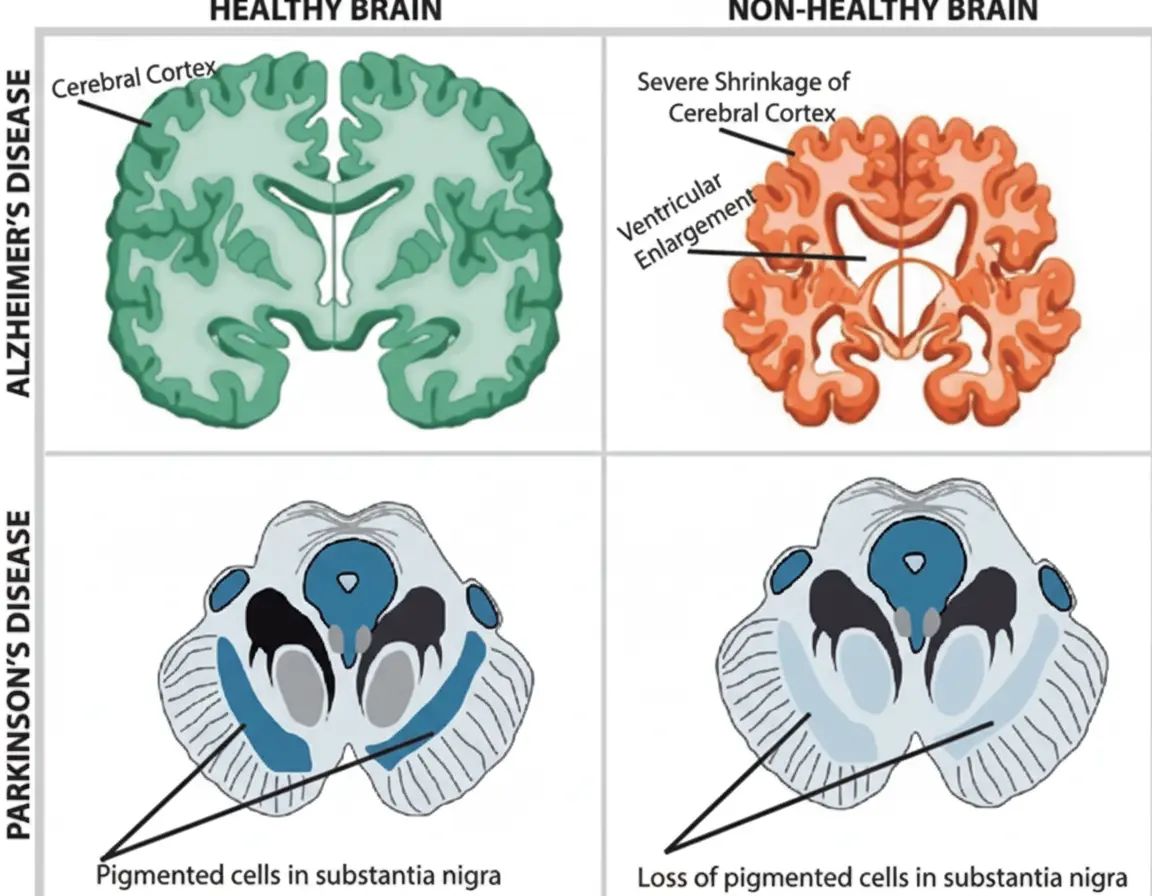
Peptides may be small, but their impact on human biology is anything but. These short chains of amino acids function as the body's messengers, sending signals that regulate growth, repair, and communication between cells. In the nervous system especially, peptides act like nature's micro-instructions guiding neurons in survival, repair, and adaptation. Because of this, researchers have increasingly turned to peptides as potential therapies for complex brain disorders such as Alzheimer's disease (AD) and Parkinson's disease (PD).
Unlike many conventional drugs, peptides have the unique advantage of resembling the body's own molecules. This allows them to activate natural repair pathways, target diseased proteins, and sometimes even cross the notoriously selective blood–brain barrier. With neurodegenerative diseases continuing to devastate millions worldwide, peptide-based therapies are being investigated to do what existing drugs cannot: slow or even halt disease progression.
Why Peptides Could Change the Game
Peptide therapies offer several unique advantages that make them promising candidates for brain-related conditions:
- Ability to cross barriers – Some engineered peptides can slip past the blood–brain barrier, opening a direct line of therapy to the brain.
- High specificity – Peptides can be designed to bind to precise receptors or proteins, reducing unwanted side effects.
- Multifunctional action – A single peptide may reduce inflammation, boost cell metabolism, and prevent toxic protein buildup simultaneously.
- Natural metabolism – Since they are made of amino acids, peptides often break down into harmless byproducts, improving their safety profile.
This combination of precision and adaptability makes peptides powerful tools in tackling diseases that involve multiple damaging processes at once such as Alzheimer's and Parkinson's.
Spotlight on Key Peptides in Research
Davunetide (NAP)
Derived from a naturally occurring brain protein, Davunetide stabilizes microtubules the cellular "tracks" that neurons rely on to transport nutrients and maintain structure. In Alzheimer's, these tracks collapse due to tau protein dysfunction. Studies in animal models show Davunetide can preserve memory and neuronal health. Although clinical trials in progressive supranuclear palsy did not fully succeed, sub-group analyses revealed encouraging results, keeping Davunetide an active subject of research.
Humanin & S14G-Humanin
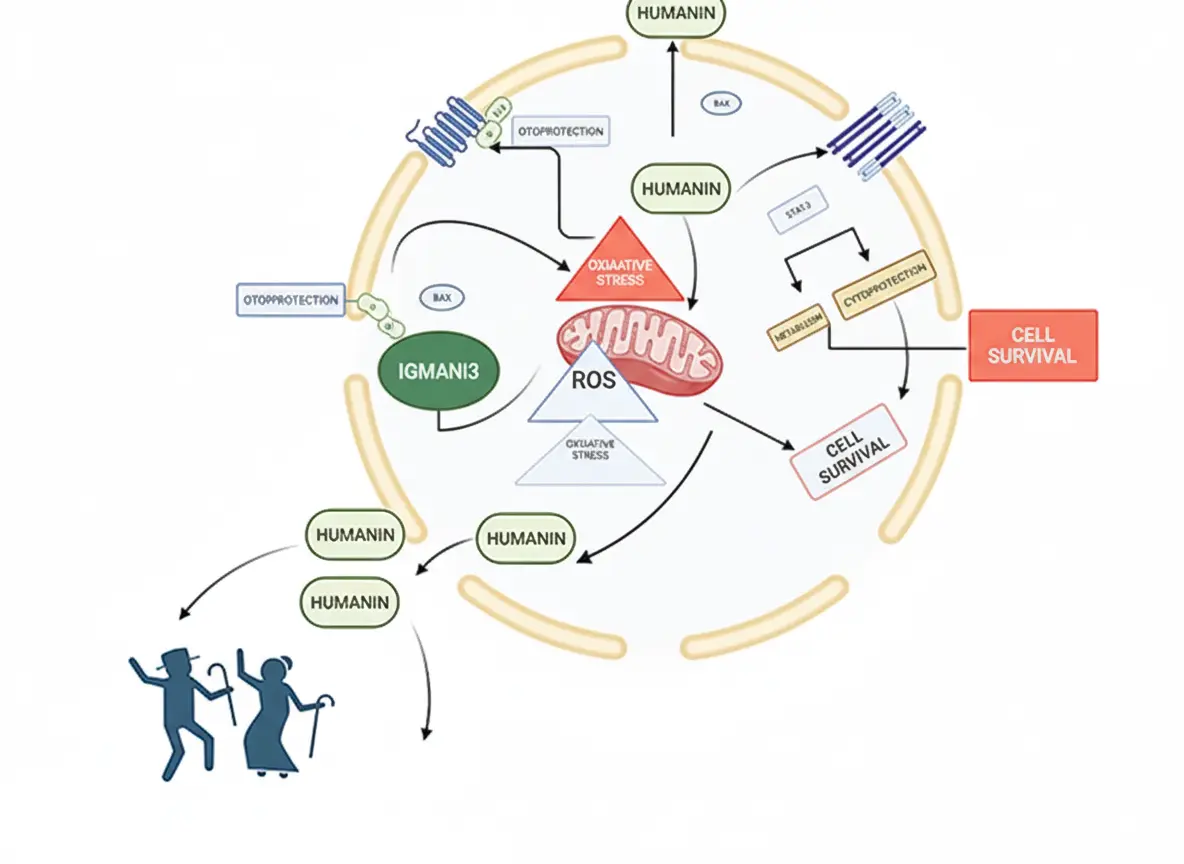
Humanin, discovered in mitochondria, acts as a natural cellular "bodyguard." It protects neurons from toxic amyloid-beta buildup, oxidative stress, and even metabolic dysfunction. A modified form, S14G-Humanin, is even more potent. Studies in mice show improved memory and protection of dopamine-producing neurons, highlighting potential in both Alzheimer's and Parkinson's research.
Exendin-4 (GLP-1 Analogs)
Known in the diabetes world as exenatide, Exendin-4 mimics the GLP-1 hormone to improve insulin signaling. But in the brain, it does far more it reduces inflammation, enhances neuron survival, and promotes synaptic connections. Clinical trials in Parkinson's patients showed motor improvements, and Alzheimer's research is also underway. Since GLP-1 analogs are already FDA-approved for diabetes, they may be fast-tracked for neurological use if proven effective.
Elamipretide (SS-31)
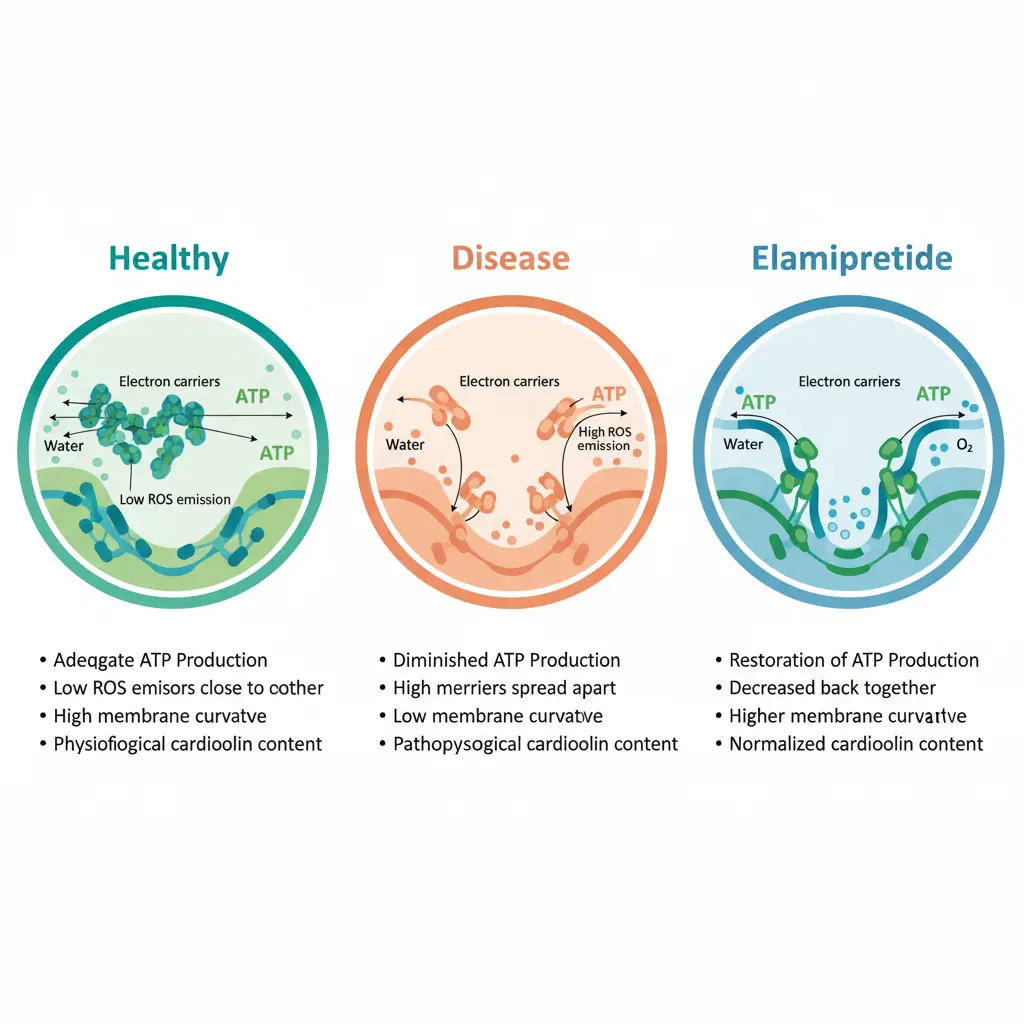
This mitochondria-targeted peptide stabilizes the "powerhouses" of neurons. By binding to cardiolipin, Elamipretide prevents oxidative stress, improves ATP production, and promotes healthy mitochondrial turnover. Animal studies reveal benefits in memory, energy balance, and dopamine neuron survival making it a strong candidate for future human trials in AD and PD.
Selank
One particularly interesting peptide is Selank, originally derived from tuftsin, an immune-related molecule. Unlike peptides that directly target toxic proteins, Selank works more broadly by reducing anxiety, boosting memory, and enhancing resilience. Research suggests that Selank increases brain-derived neurotrophic factor (BDNF), a vital molecule for neuron survival and plasticity. This makes it especially valuable for conditions where cognitive decline and anxiety overlap.
In animal studies, Selank protected against memory loss, reduced inflammatory markers, and improved learning under stress. While not yet widely studied in large clinical Alzheimer's or Parkinson's trials, it shows promise as a supportive cognitive enhancer. Some suppliers even provide Selank 10mg for research purposes, allowing scientists to continue exploring its therapeutic potential.
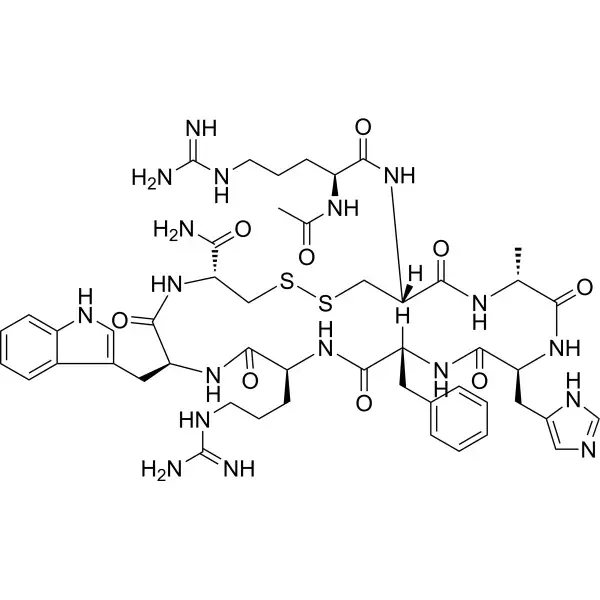
Other Noteworthy Peptide Strategies
- CN-105: A small peptide inspired by APOE protein, shown to reduce amyloid buildup and inflammation.
- P110: Protects mitochondria from fragmentation, maintaining energy supply in stressed neurons.
- RD2: A D-amino acid peptide designed to dissolve toxic amyloid clusters, with remarkable memory improvements in Alzheimer's mouse models.
- Tat-βsyn-degron: An engineered peptide that tags toxic alpha-synuclein (the main culprit in Parkinson's) for destruction inside neurons.
Each of these peptides reflects a different strategy whether repairing cell infrastructure, reducing toxic proteins, or modulating inflammation.
Overcoming Research Challenges
Despite the excitement, peptide research still faces hurdles:
- Stability – Many peptides degrade quickly in the body. Modified versions using D-amino acids or protective carriers may solve this.
- Delivery – Intranasal sprays and nanoparticle carriers are being tested to bypass digestion and reach the brain efficiently.
- Complexity of diseases – Alzheimer's and Parkinson's involve multiple factors, so "hybrid peptides" with multi-target effects are being engineered.
One exciting trend is combining peptides such as merging humanin with Elamipretide into a dual-action therapy that tackles both energy deficits and amyloid toxicity.
The Bigger Picture
Peptides represent a new frontier in neuroscience. Their ability to mimic the body's natural signals allows them to work in ways traditional drugs cannot supporting neurons, boosting mitochondrial energy, reducing inflammation, and clearing toxic protein clumps. While many are still in preclinical or early clinical phases, the progress is undeniable.
For researchers and labs, the availability of peptides for sale has accelerated the pace of discovery, allowing detailed study of compounds like Davunetide, Elamipretide, Humanin, and Selank. These efforts may one day lead to transformative therapies for millions suffering from Alzheimer's and Parkinson's.
Conclusion
Neurodegenerative diseases have long resisted conventional therapies, but peptides may finally offer a breakthrough. From the calming, cognition-enhancing effects of Selank 10mg, to the mitochondrial repair of Elamipretide and the amyloid-clearing power of RD2, these small molecules embody a big hope: that we can not only manage symptoms but slow or stop the root causes of brain decline.
The road ahead is challenging, but the direction is clear peptides are becoming essential tools in the fight against neurological disorders. As research advances, they may hold the key to preserving memory, movement, and quality of life for generations to come.