
Synergistic Peptides for Recovery: BPC-157, Thymosin Beta-4, and GHK-Cu in Tissue Repair
Over the past decade, regenerative medicine has increasingly focused on peptides due to their remarkable potential to accelerate healing, modulate inflammation, and restore tissue function. Among these, BPC-157, Thymosin Beta-4 (TB-500), and GHK-Cu have gained significant attention for their distinct yet complementary mechanisms of action. Individually, these peptides have demonstrated robust therapeutic effects across multiple physiological systems, including musculoskeletal recovery, skin repair, and gastrointestinal health. When combined, their interactions may create a synergistic effect, enhancing tissue regeneration and repair beyond what each peptide could achieve alone.
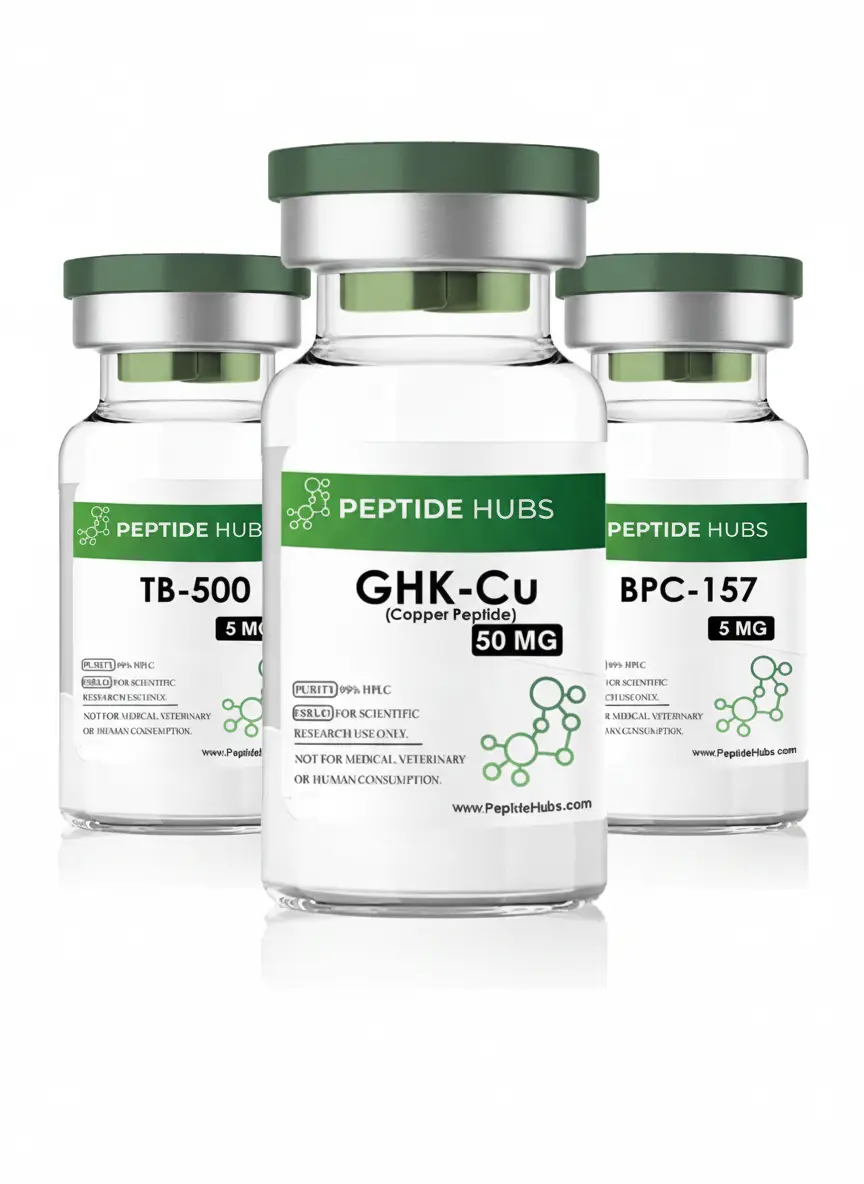
Understanding the science behind these molecules is essential for researchers, clinicians, and biohackers exploring cutting-edge therapeutic approaches. Notably, these peptides are increasingly accessible as peptides for sale, with options to buy BPC 157, GHK-Cu 50mg, and TB 500 5mg for sale, supporting research and clinical exploration.
BPC-157: The Body Protection Compound
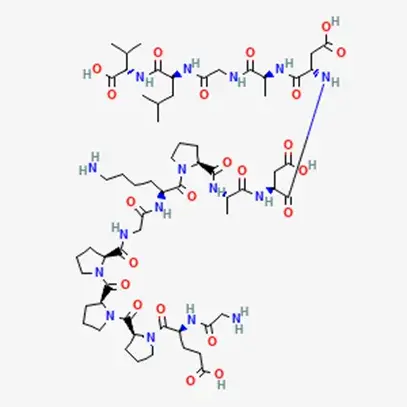
BPC-157, short for Body Protection Compound-157, is a 15-amino-acid peptide derived from gastric juice. It is highly stable in harsh environments, including the acidic conditions of the stomach, making it effective via oral, topical, or subcutaneous administration. Its regenerative potential spans multiple tissues, including muscles, tendons, ligaments, nerves, and the gastrointestinal tract.
Mechanisms of Action
Angiogenesis and Blood Flow: BPC-157 stimulates angiogenesis, the formation of new blood vessels, through upregulation of vascular endothelial growth factor (VEGF) signaling. This enhanced blood flow ensures adequate oxygen and nutrient delivery to injured tissues, accelerating healing.
Collagen Production: Fibroblast activation is another key feature. BPC-157 promotes collagen synthesis, particularly in tendons and ligaments, while preventing excessive scar formation. This ensures repaired tissue maintains flexibility and functional strength.
Anti-Inflammatory Effects: BPC-157 reduces infiltration of inflammatory cells and suppresses pro-inflammatory cytokines at injury sites. This not only accelerates recovery but also limits tissue damage from chronic inflammation.
Cytoprotective Actions: The peptide stabilizes cell membranes and scavenges free radicals, protecting cells from oxidative damage. Importantly, BPC-157 works by enhancing endogenous healing pathways rather than relying on a single external growth factor. It activates signaling cascades such as FAK-paxillin pathways, upregulates growth hormone receptors, and promotes cell migration and survival.
Preclinical studies highlight BPC-157's remarkable regenerative capabilities. It accelerates tendon and ligament repair, improves muscle healing, closes chronic gastrointestinal fistulas, and even aids in ulcer recovery. These effects suggest a broad application across both acute injuries and chronic tissue degeneration.
TB-500: Thymosin Beta-4
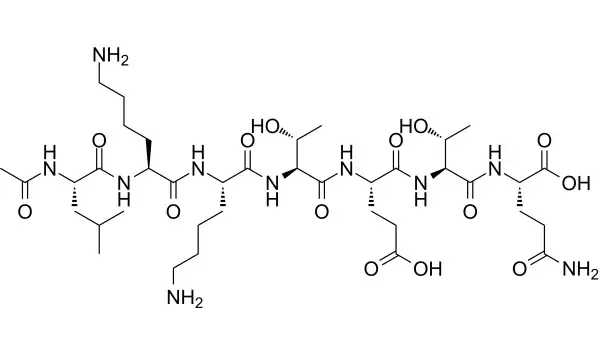
Thymosin Beta-4 (Tβ4), commonly referred to as TB-500, is a naturally occurring 43-amino-acid peptide found in nearly all human cells, with high concentrations in platelets and white blood cells. It is a key player in the early stages of injury response, coordinating repair and protecting cells from damage.
Key Functions
Cell Migration and Wound Closure: TB-500 binds actin, a structural protein in cells, freeing monomers and enabling efficient cell movement. This promotes re-epithelialization, allowing injured tissue to close rapidly while recruiting additional repair cells to the site.
Angiogenesis and Stem Cell Recruitment: TB-500 upregulates VEGF expression and mobilizes progenitor cells from bone marrow to injury sites, contributing to blood vessel formation and tissue regeneration.
Anti-Fibrotic and Anti-Inflammatory Effects: By regulating myofibroblast activity and matrix metalloproteinases (MMPs), TB-500 reduces fibrosis and promotes organized collagen deposition, resulting in flexible, minimal-scar tissue.
Animal studies have demonstrated TB-500's efficacy in tendon, ligament, and cardiac repair, as well as skin healing. In corneal injuries and diabetic ulcers, TB-500 accelerates closure and improves the quality of the regenerated tissue. Its ability to orchestrate multiple healing processes complements peptides like BPC-157 and GHK-Cu, particularly in combined regenerative therapies.
GHK-Cu: The Copper Peptide
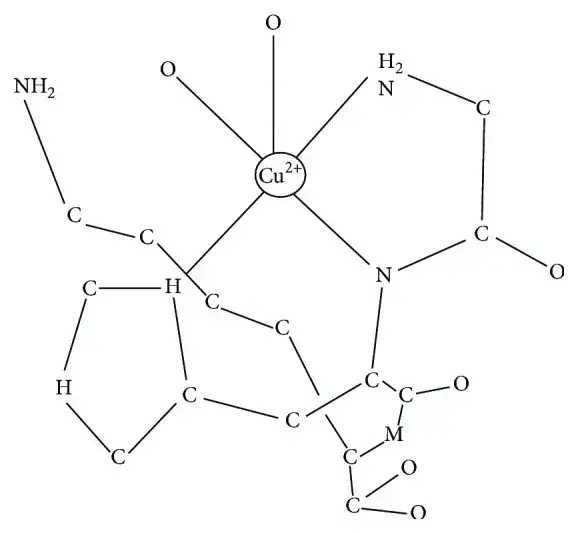
GHK-Cu (glycyl-L-histidyl-L-lysine copper) is a naturally occurring copper-binding tripeptide found in plasma, saliva, and urine. First identified in the 1970s, GHK-Cu was noted for its regenerative properties in aging tissues. Its levels peak in youth and decline with age, implicating it as a critical factor in tissue repair and maintenance.
Mechanisms of Healing
Tissue Regeneration and Matrix Remodeling: GHK-Cu promotes angiogenesis, nerve repair, and extracellular matrix synthesis, increasing collagen, elastin, and glycosaminoglycan production. This results in stronger, more resilient tissue.
Anti-Inflammatory and Antioxidant Effects: By suppressing inflammatory cytokines and enhancing antioxidant defenses like glutathione, GHK-CU 50mg creates an environment conducive to healing.
Skin and Hair Rejuvenation: Clinically, GHK-Cu has been used to improve skin firmness, elasticity, and clarity, reduce wrinkles, and stimulate hair growth. Its effects arise from increased collagen and elastin synthesis and enhanced microvascularization in the skin.
Copper-Dependent Repair: Copper is essential for enzymes like lysyl oxidase, which cross-links collagen and elastin fibers. By delivering copper to injury sites, GHK-Cu reinforces tissue repair initiated by other peptides.
Mechanistic Synergy: How These Peptides Work Together
Combining BPC-157, TB-500, and GHK-Cu targets multiple pathways for robust tissue repair:
- Angiogenesis: BPC-157 enhances VEGF signaling, TB-500 recruits stem cells, and GHK-Cu ensures endothelial cell function through copper delivery. Together, they accelerate new blood vessel formation and tissue perfusion.
- Collagen Synthesis and Matrix Remodeling: BPC-157 and GHK-Cu stimulate collagen production, while TB-500 organizes fibers and prevents fibrosis. The result is structurally sound, flexible tissue with minimal scarring.
- Anti-Inflammatory Environment: All three peptides reduce pro-inflammatory signals and oxidative stress, providing a cytoprotective environment that facilitates faster and higher-quality tissue regeneration.
- Copper-Dependent Healing: GHK-Cu provides copper for enzymatic cross-linking, ensuring that new blood vessels and collagen fibers form robustly and maintain functional integrity.
This multi-targeted approach allows the peptides to act synergistically, where the combined effect exceeds the sum of individual contributions.
Applications in Research and Therapy
Musculoskeletal Healing
BPC-157 and TB-500 are particularly effective for tendon, ligament, and muscle injuries. Studies demonstrate stronger tendon reattachments, denser collagen fibers, and enhanced vascularization. TB-500 improves muscle fiber regeneration with reduced fibrosis, while GHK-Cu has shown promise in ligament reconstruction and fracture healing. Together, these peptides could reduce recovery time while improving the structural quality of repaired tissues.
Skin Regeneration and Aesthetics
BPC-157 accelerates wound closure, TB-500 minimizes scar formation, and GHK-Cu enhances collagen synthesis. The combination is increasingly explored in aesthetic medicine to improve skin quality, reduce scarring, and support tissue rejuvenation. This "tri-peptide approach" leverages each peptide's unique strengths for optimal skin healing.
Gastrointestinal Health
BPC-157 is highly effective in gastrointestinal repair, supporting ulcer healing, inflammatory bowel disease recovery, and fistula closure. TB-500 may reduce fibrosis and inflammation in the gut, while GHK-Cu strengthens connective tissue and promotes vascular growth. Together, they address multiple aspects of gut regeneration and barrier function.
Anti-Aging and Systemic Regeneration
Aging is marked by chronic inflammation and declining regenerative capacity. GHK-Cu promotes youthful gene expression, BPC-157 supports organ and vascular health, and TB-500 enhances tissue repair and angiogenesis. This combination holds potential for maintaining systemic health, improving resilience, and accelerating recovery from injuries in older adults.
Future Directions
Clinical Trials and Human Research
Most data originates from animal studies, though ongoing human trials are investigating oral BPC-157 for inflammatory bowel disease and TB-500 in wound healing. The next step is evaluating combined peptide protocols to determine whether synergistic effects translate to faster recovery, improved tissue quality, and optimal dosing sequences.
Potential Applications
Emerging research suggests potential for:
- Neuro-regeneration: Promoting neuron survival and angiogenesis post-stroke.
- Cardiac Repair: Enhancing heart tissue regeneration after myocardial infarction.
- Complex Wound Healing: Treating burns, chronic ulcers, or surgical wounds with improved outcomes.
If synergy is confirmed, BPC-157, TB-500, and GHK-Cu could become foundational tools in regenerative medicine, offering faster recovery and enhanced long-term tissue integrity.
Conclusion
BPC-157, TB-500, and GHK-Cu each provide powerful regenerative benefits, from promoting angiogenesis and collagen synthesis to reducing inflammation and fibrosis. Their combined use represents a paradigm shift in regenerative medicine, where synergy maximizes healing potential across musculoskeletal, dermatological, gastrointestinal, and systemic contexts.
For researchers and practitioners, these peptides are accessible as peptides for sale, including options to buy BPC 157, GHK-Cu 50mg, and TB 500 5mg for sale. This availability facilitates further exploration of their synergistic potential, supporting innovative therapies in tissue regeneration, anti-aging, and functional recovery.
By leveraging the complementary mechanisms of these peptides, the future of regenerative medicine may soon move toward highly effective, multi-targeted interventions that restore not only tissue function but also overall physiological resilience and healthspan.