
Understanding Ipamorelin: Mechanism, Benefits, and Research Insights
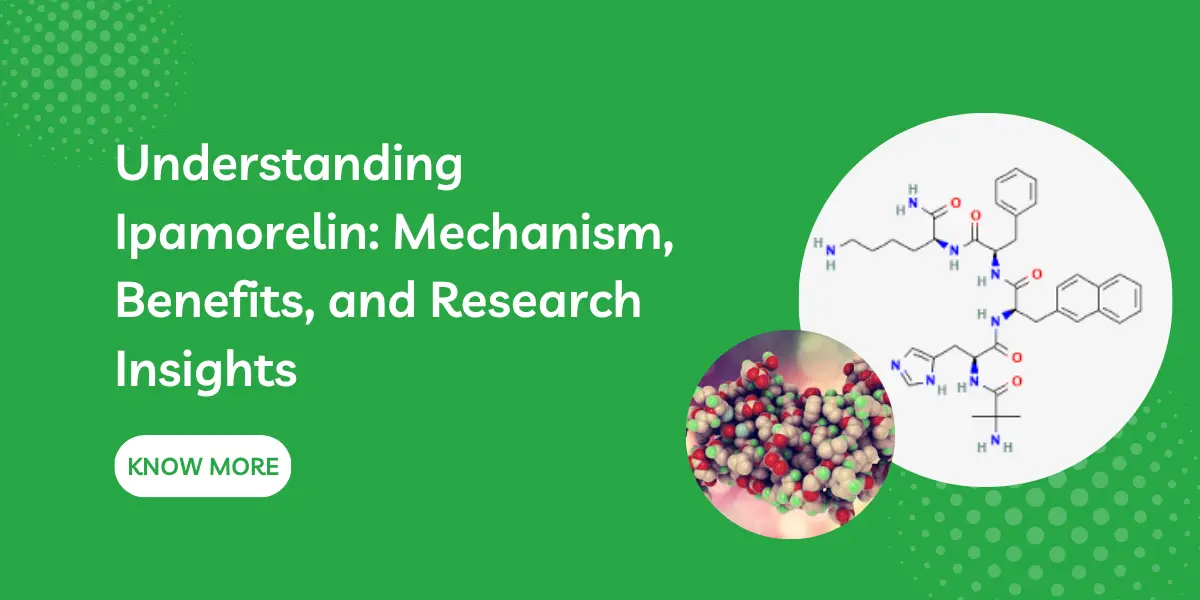
Peptide-based therapies have become a hot topic in health, fitness, and longevity research. Among these, Ipamorelin stands out as one of the most selective and promising growth hormone secretagogues (GHS). Whether you're a fitness enthusiast, a medical professional, or a researcher, understanding Ipamorelin's mechanism, benefits, and research insights is essential. At Peptide Hubs, Ipamorelin is recognized as a key compound used in advanced research to explore natural growth hormone stimulation and recovery potential.
Understanding Ipamorelin
Ipamorelin is a synthetic pentapeptide, composed of five amino acids, designed to mimic the activity of ghrelin, commonly known as the "hunger hormone." Classified as a growth hormone secretagogue (GHS), Ipamorelin stimulates the anterior pituitary gland to release growth hormone naturally.
What makes Ipamorelin unique compared to other GHRPs such as GHRP-6 or Hexarelin is its high selectivity. Many older peptides can also stimulate hormones like cortisol and prolactin, which may lead to unwanted side effects, including water retention, mood fluctuations, and stress responses. Ipamorelin, in contrast, focuses almost exclusively on GH release, making it a cleaner, safer option for research studies.
This high specificity has earned Ipamorelin the reputation of being a "gentle" GH-releasing peptide, often explored in research focused on anti-aging, fat reduction, muscle growth, and tissue recovery.
How Ipamorelin Works: Mechanism of Action
Ipamorelin exerts its effects by binding to growth hormone secretagogue receptors (GHS-R1a), also referred to as ghrelin receptors. These receptors are found in the pituitary gland, hypothalamus, and other tissues such as liver and skeletal muscle. Upon activation, Ipamorelin triggers a cascade of biological responses:
- Receptor Binding: Ipamorelin mimics natural ghrelin and attaches to the GHS-R receptor.
- Pituitary Activation: This stimulates the anterior pituitary to release endogenous growth hormone.
- IGF-1 Production: Growth hormone stimulates the liver to produce insulin-like growth factor 1 (IGF-1), which supports cellular repair, tissue growth, and muscle development.
- Selective Action: Unlike many older peptides, Ipamorelin does not significantly increase cortisol or prolactin, minimizing stress-related side effects.
With a short half-life of approximately two hours, Ipamorelin allows precise control in research settings, and its effects typically clear from the system within six hours. This makes it ideal for experimental protocols and timed dosing studies.
Potential Benefits of Ipamorelin
- Muscle Growth and Recovery
Growth hormone plays a critical role in protein synthesis and muscle repair. By increasing GH levels, Ipamorelin may enhance recovery after intensive exercise and support lean muscle development. Researchers at Peptide Hubs frequently use Ipamorelin in experimental studies on sports performance, rehabilitation, and regenerative therapies.
- Fat Loss
GH also stimulates lipolysis, the breakdown of fat for energy. Ipamorelin's ability to increase GH secretion has been linked to improved body composition in animal models, promoting fat reduction while preserving lean mass. Additionally, preliminary studies suggest it can positively influence insulin activity, directing nutrients toward muscle instead of fat storage.
- Anti-Aging Effects
As GH levels decline with age, reduced bone density, muscle mass, skin elasticity, and energy become noticeable. Ipamorelin research indicates potential for reversing age-related declines, improving sleep quality, and supporting cognitive function. Its gentle, targeted GH stimulation makes it an appealing peptide for experimental studies in aging and wellness.
- Bone Health
Animal studies demonstrate that Ipamorelin may increase bone formation and help prevent bone loss. One study in rodents reported up to a fourfold increase in osteoblast activity, positioning Ipamorelin as a candidate for osteoporosis and skeletal research.
- Cognitive and Sleep Benefits
GH and IGF-1 influence brain health and neuroprotection. Activation of GHS-R by Ipamorelin may improve synaptic connectivity, learning, and memory. Additionally, it may support better sleep cycles, which are essential for recovery, metabolic function, and mental well-being. This connects to the broader Role of Peptides in Neurological Disorders, where peptide-based research is uncovering links to cognition and neural repair.
Research and Clinical Insights
Ipamorelin has been extensively studied in both animal and limited human trials. Key research outcomes include:
- Bone Density: Increased mineral content and improved bone strength in rodent studies.
- Postoperative Recovery: Clinical research indicates Ipamorelin may accelerate gastrointestinal recovery after surgery.
- Safety Profile: Minimal off-target effects, with negligible impact on cortisol and prolactin, making it safer than older GHRPs.
While these results are promising, most data are derived from controlled research environments. Long-term human studies remain limited, emphasizing the importance of laboratory-only use.
Considerations and Cautions
Side Effects
Ipamorelin is generally well-tolerated in research protocols. Reported mild effects include:
- Injection site redness or irritation
- Temporary drowsiness or flushing
- Rare headache
Cycling protocols are recommended to prevent receptor desensitization, such as three weeks on, three weeks off, which helps maintain consistent GH stimulation.
Administration
Ipamorelin is administered via subcutaneous injection, as oral administration is ineffective due to peptide degradation in the digestive tract.
Legal Status
Ipamorelin is not approved for human consumption and should only be used in controlled laboratory settings. At Peptide Hubs, we provide research-grade compounds, and qualified scientists can buy Ipamorelin peptide or access other high-purity peptides for sale exclusively for experimental use.
Why Choose Peptide Hubs for Research
At Peptide Hubs, we prioritize highest quality peptides to ensure reproducibility, purity, and reliability in research studies. Our Ipamorelin and other peptides are:
- Manufactured to strict research-grade standards
- Tested for purity and stability
- Ideal for exploring GH pathways, tissue repair, and recovery
Researchers rely on Peptide Hubs to source compounds for advanced experimental applications, including anti-aging, metabolic studies, bone and muscle research, and neuroprotection.
Final Thoughts
Ipamorelin represents a significant advancement in peptide research, offering selective GH release, minimal side effects, and versatile experimental applications. From muscle growth and fat loss to anti-aging and bone health, its potential continues to expand across multiple scientific fields. Furthermore, its connection to the Role of Peptides in Neurological Disorders highlights ongoing research into neuroprotection and cognitive health.
For research professionals seeking reliable and high-purity peptides, Peptide Hubs is the trusted partner to buy Ipamorelin peptide or access a broad catalog of peptides for sale. With our commitment to quality, safety, and reproducibility, Peptide Hubs ensures that your research is supported by the highest quality peptides available on the market.