
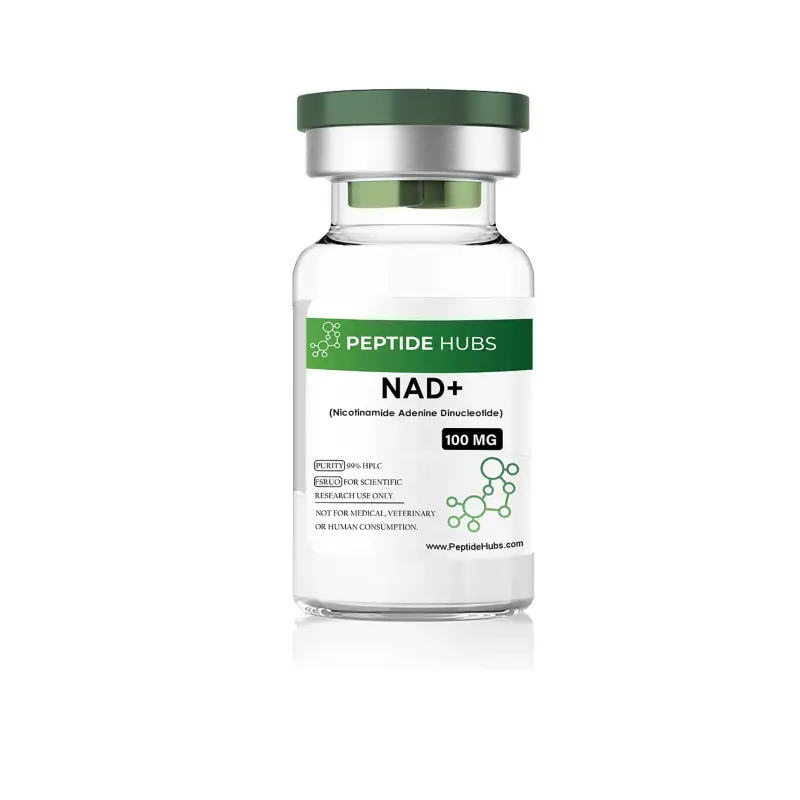
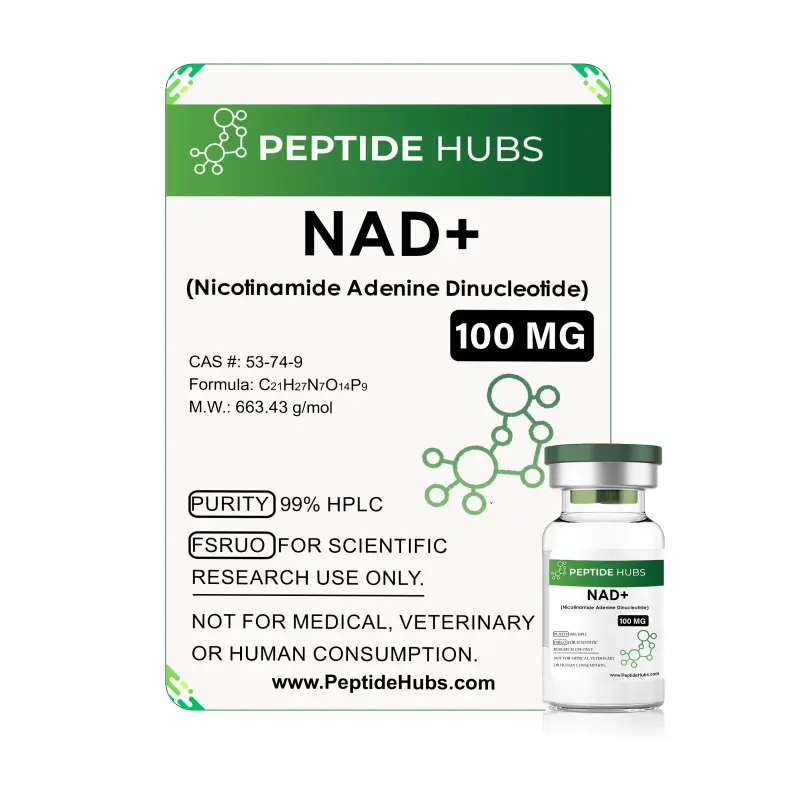
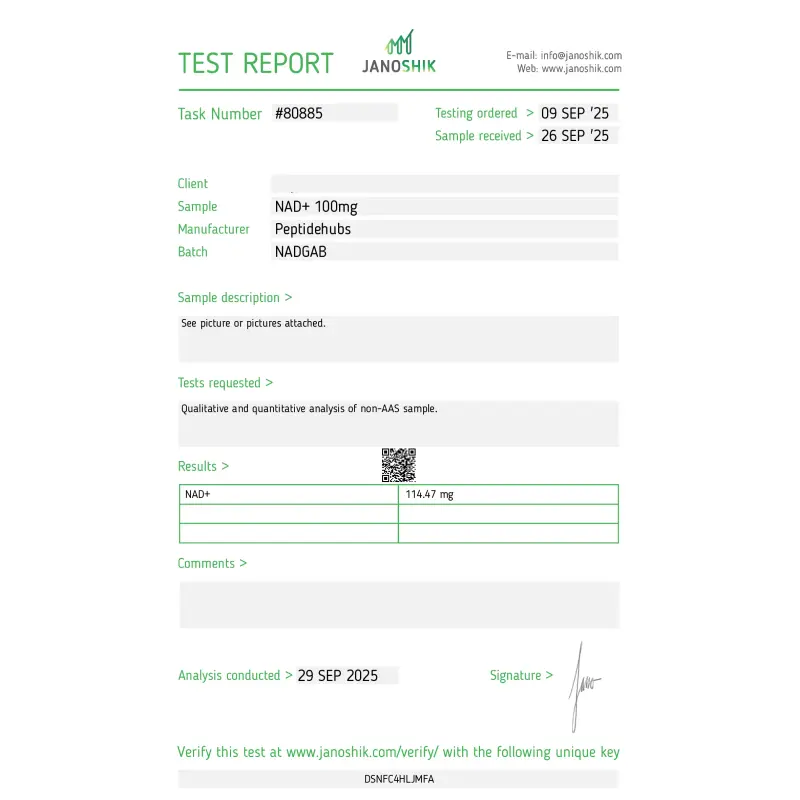
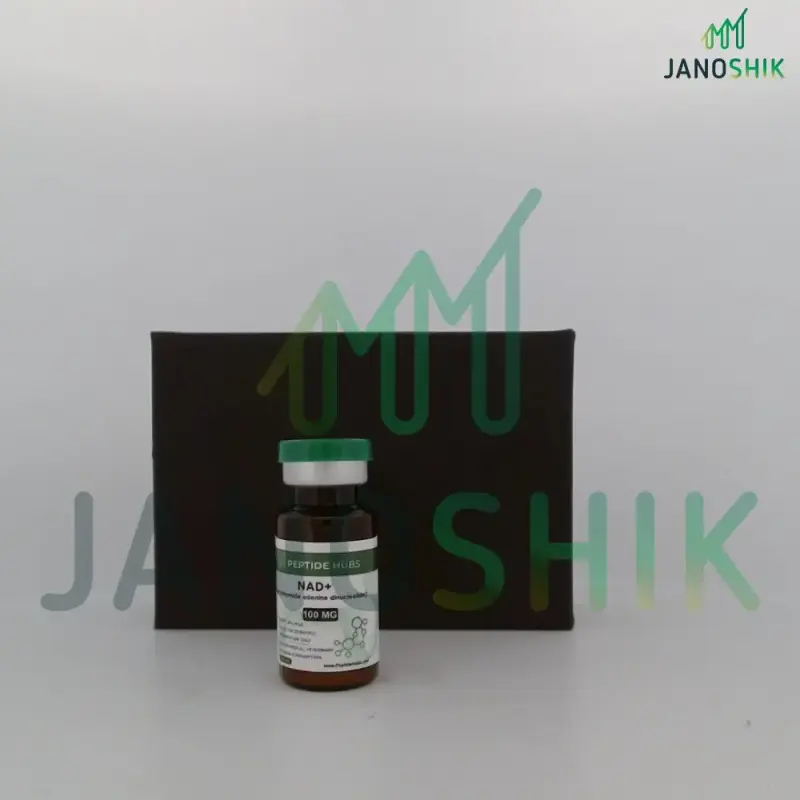
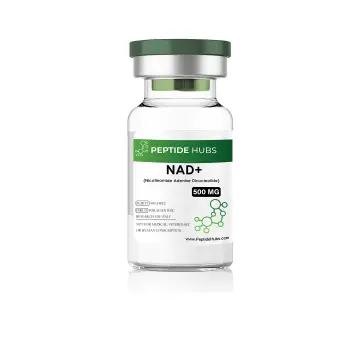
NAD+ 100mg
- USA MADE 2-7 days delivery
- International 5-20 days delivery
THIS PRODUCT IS INTEDED AS A RESEARCH CHEMICAL ONLY.
This designation allows the use of research chemicals strictly in vitro for testing and laboratory experimentation only. All products information available on this website is for educational purposes only. Bodily introduction of any kind into humans or animals is strictly forbidden by law. This product should only be handled by licensed, qualified professional. This product is not a drug, food or cosmetic and may not be misbranded, misused or mislabled as a drug food or cosmetic.
Nicotinamide Adenine Dinucleotide—known in the parlance of learned gentlemen and ladies as NAD+—is a coenzyme of the utmost consequence, present within all living cells and indispensable to the proper conduct of metabolic affairs and cellular function. This remarkable molecule performs with admirable diligence the role of mediator in redox reactions, gracefully alternating betwixt its oxidized form (NAD+) and reduced counterpart (NADH), thereby facilitating the essential transfer of electrons. Such a process is nothing less than vital to the production of energy and, indeed, to the very sustenance of life itself. Engaged in no fewer than five hundred enzymatic reactions, NAD+ stands at the very centre of cellular harmony and balance. Recent inquiries of a rigorous nature suggest that NAD+ may confer benefits to muscle vigour, preserve the delicate cells of the nervous system, and, more generally, allay the ravages wrought by advancing years.
In matters extending beyond mere energy metabolism, NAD+ lends its support to the noble endeavours of DNA repair and gene regulation through the agency of venerable enzymes such as sirtuins and poly(ADP-ribose) polymerases (PARPs). The sirtuins, reliant upon NAD+ in their governance of DNA restoration, gene expression, and the aging process itself, preserve cellular dignity and functionality. The PARPs similarly employ NAD+ in the meticulous mending of DNA damage, thereby maintaining genomic stability with a care befitting their esteemed station. Thus, NAD+ commands a place of singular importance in the maintenance of cellular integrity and the noble struggle against the march of time.
1. What is NAD+? Overview
Of all the molecules that inhabit the cellular realm, few possess such universal consequence as Nicotinamide Adenine Dinucleotide, or NAD+. This endogenous nucleotide regulates the primary functions upon which life itself depends: metabolism, energy production, and the restoration of deoxyribonucleic acid. The relationship between NAD+ and its reduced form, NADH, may be understood as one of perpetual exchange—a transformation of considerable consequence, for in this reciprocal dependence lies the very foundation of cellular respiration and the extraction of energy from matter.
NAD+ functions, moreover, as a mediator of physiological processes remarkable in their diversity. It participates in the modification of proteins after their synthesis and in the activation or deactivation of certain enzymes—one might compare it to a person of influence whose presence shapes the conduct of those around them. It maintains that most essential intercourse between cell and cell, that vital communication without which no organism may endure. Through three principal classes of enzymes—the sirtuins, the poly(ADP-ribose) polymerases, and the cyclic ADP ribose synthetases—NAD+ exerts its influence over more than five hundred distinct enzymatic reactions.
In this economy of molecular interaction, NAD+ emerges as a substance of such pervasive influence that its availability may be understood as fundamental to the preservation of health and the continuance of cellular life itself. To understand NAD+ is to comprehend something essential about the nature of living things.
2. NAD+ Structure
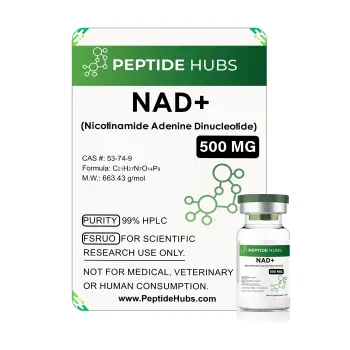
Molecular Formula: C₂₁H₂₇N₇O₁₄P₂
Molecular Weight: 663.43 g/mol
Synonyms: Nicotinamide Adenine Dinucleotide, Beta-NAD, NAD, Endopride
NAD+ is a dinucleotide comprising two nucleotides joined through their phosphate groups. One nucleotide contains an adenine nucleobase, and the other contains nicotinamide. The molecule's structure allows it to function as an electron carrier in cellular redox reactions.
3. NAD+ Effects
NAD+ functions primarily as an electron carrier in redox reactions vital for cellular energy production. During glycolysis, NAD+ accepts electrons from glucose-derived intermediates, converting into its reduced form, NADH. Similarly, in the citric acid cycle, NAD+ is reduced to NADH as it accepts electrons from metabolic intermediates. This process appears crucial for the oxidation of acetyl-CoA and the generation of high-energy electron carriers.
NADH then donates the electrons it carries to the electron transport chain (ETC) in the mitochondria. The ETC uses these electrons to create a proton gradient across the mitochondrial membrane, ultimately driving the synthesis of ATP through oxidative phosphorylation. This process represents the primary means by which cells generate ATP, the energy currency of the cell.
Beyond its metabolic role, NAD+ is consumed by several enzymes crucial for cellular maintenance. Both sirtuins (a family of longevity-associated proteins) and PARPs (DNA repair enzymes) require NAD+ as a substrate. NAD+ availability is intimately linked to genomic stability, stress resistance, and cell survival.
4. NAD+ Additions and Synergies
Research suggests that NAD+-dependent enzymes may potentially compete amongst themselves for bioavailability. It has been posited that the potential function of SIRTs, for instance, may lead to reduced PARPs activity and thereby potentially lead to weakened systems. Hence, it may be critical to maintain a balance between the availability and consumption of NAD+ to obtain optimal potential impact in experimental models.
NAD+ has two key intermediates: nicotinamide riboside (NR) and nicotinamide mononucleotide (NMN). These intermediates have been studied in various research contexts for their potential role in NAD+ synthesis pathways.
5. NAD+ Research
5.1 Anti-Aging Research and NAD+
Mitochondria serve as a platform for primary metabolic functions including intracellular signaling and regulation of innate immunity. These processes appear directly impacted by mitochondrial senescence and ultimately alter cellular metabolism, inflammation, and stem cell activity. These factors altogether may reduce the pace of tissue repair following damage, illustrating the extent to which mitochondria are involved in cellular age-related decline in tissue and organ function. Researchers consider that in the course of manipulating mitochondrial activity, they may potentially slow, cease, or even reverse the process of cellular aging.
A deficiency of NAD+ in cells appears to induce a pseudo-hypoxic state, which interrupts signaling within the nucleus. Scientists suggest that raising NAD+ levels in old mice restores mitochondrial function to that of a young mouse in a SIRT1-dependent manner. The mechanism underlying this property appears to involve the activation of the SIRT 1 function, whereby a gene encodes an enzyme called Sirtuin-1 (NAD+ dependent Deacetylase Sirtuin-1). Sirtuin-1 then may regulate the mediators involved in metabolism, inflammation, and the longevity of cells.
In a study, normal-aging mice were exposed to the NMN intermediate for 12 months. Following the study, researchers suggested that NMN may promote NAD+ synthesis in the mice. Peptide exposure may have been the catalyst for the observed reduced weight gain, increased energy metabolism, enhanced physical activity, improved lipid profile, and other physiological impacts in the mice.
5.2 The Role of NAD+ in Muscle Function
The endogenous decline in muscle cell function is associated with mitochondrial senescence. Scientists consider that the decline occurs in two steps. The first, to some extent reversible, involves declined expression of mitochondrial genes responsible for oxidative phosphorylation (the process by which mitochondria produce energy). The second, irreversible, consists of a decline in genes responsible for oxidative phosphorylation in the nucleus.
Experiments using murine models have reported an apparent step 1 reversal with the exposure of additional NAD+ before the cell progresses to step 2. The mechanism behind this intervention in mitochondrial aging may involve stabilizing the activity of Peroxisome Proliferator-activated Receptor Gamma Co-activator 1-alpha (PGC-1-alpha). Studies have suggested that the action mentioned above produced in the mitochondria may be similar to exercise on the mitochondria of skeletal muscles.
Upon presenting aged mice with NMN daily for 7 days, researchers suggested that the peptide possibly increased ATP production, reduced inflammation, and elevated mitochondrial functions. The researchers considered this may have been due to the role that NAD+ appears to play in cellular respiration and energy production.
5.3 NAD+ in Neurodegenerative Disease
NAD+ is a cofactor that may exert a possible neuroprotective action. It has been posited that this can be achieved by supporting mitochondrial function and reducing the production of reactive oxidative stress (ROS). ROS is responsible for inflammatory changes associated with injury and degenerative changes associated with cellular aging. This association provides the basis for certain neurodegenerative diseases.
Research conducted on mice suggested the potential for NAD+ to protect against progressive motor deficits and the death of dopamine-producing cells in the substantia nigra. According to the researchers, these results add credence to the beneficial role of NAD against parkinsonian neurodegeneration in mouse models, provide evidence for the potential of NAD for the prevention of such conditions, and suggest that NAD prevents pathological changes via decreasing mitochondrial dysfunctions. The research findings implied that although NAD+ doesn't appear to alleviate symptoms, it may slow the progress of, if not entirely mitigate, the development of such conditions.
A study was conducted where aged mice were exposed to NMN for 3 to 12 months. The study's main aim was to evaluate the potential impact of the peptide on mitochondrial respiratory processes. After peptide introduction, the mitochondrial oxygen consumption rates in the nerve and brain cells of the mice were studied. Upon analysis, it was suggested that mitochondrial functions had been restored in the aged mice, suggesting that NMN may be immediately utilized by the cells to produce NAD+, exerting a possible positive impact.
5.4 The Role of NAD+ in Reducing Inflammation
NAMPT is an enzyme associated with inflammation. It appears over-expressed in certain types of cancer cells. An increase in the levels of NAMPT appears to correlate to NAD+ levels and vice versa. The NAMPT-associated inflammation appears to occur in cancer cells and research models of obesity, type 2 diabetes, and nonalcoholic fatty liver disease. NAMPT may be a potent activator of inflammation, while cellular inflammation levels may decrease dramatically following the introduction of NAD+. The alteration of NAD+ levels might influence inflammatory pathways within cells, suggesting a possible approach to modulate inflammatory responses at the cellular level.
5.5 NAD+ in Addiction Treatment
It has long been acknowledged, though perhaps not universally, that a gentleman or lady afflicted by the misfortune of intemperance must be in want of restorative measures capable of ameliorating their distressed condition. The application of Nicotinamide Adenine Dinucleotide in the treatment of such unfortunate habits derives from observations—made by persons of medical sensibility—that chronic indulgence in spirituous liquors and other substances of a deleterious nature depletes one's natural stores of this essential compound, thereby compromising those neurobiological processes which govern reward, motivation, and the very disagreeable symptoms attendant upon withdrawal. The employment of intravenous NAD+ for treating addiction to alcohol, opioids, cocaine, and various intoxicating substances finds its origins in clinical work undertaken during the 1960s, though one must acknowledge with candour that rigorous clinical evidence remained lamentably limited. Contemporary investigators have examined the neurobiological mechanisms through which NAD+ might exert its influence, observing that its metabolism intersects—in a manner not entirely dissimilar to the intersecting paths of characters at a country assembly—with dopaminergic signalling, that neurotransmitter system implicated most grievously in addiction. The proposed mechanism involves NAD+ degradation products, particularly adenosine, which activate receptors that serve as endogenous restraints upon overactivated dopamine receptors—not unlike the corrective influence of good sense upon imprudent enthusiasm.
Recent pilot studies have produced results of a most encouraging character, deserving of serious attention from the medical community. Patients receiving NAD+ infusions exhibited significant decreases in craving scores (P=1.063E-9), reduced anxiety (P=5.487E-7), and improved depression (P=1.763E-4), with urine analysis revealing complete absence of illicit substances midway through treatment—findings which speak volumes, though one must exercise prudence in drawing conclusions from so limited a sample. It must be confessed, however—for honesty compels such an admission—that the pharmacokinetic properties of intravenous NAD+ remain incompletely characterized, rather like a gentleman whose family connections have not yet been satisfactorily ascertained. Nevertheless, preliminary evidence offers grounds for hope that NAD+ may restore cellular energy metabolism compromised by chronic substance abuse, support mitochondrial function, and facilitate DNA repair—processes which, though invisible to the naked eye, are no less essential to recovery than the visible reformation of character. Optimal dosing regimens require further clinical investigation before such treatment can be recommended with complete propriety.
5.6 NAD+ Supplementation and The Future of Aging Research
Research has investigated how NAD+ might protect DNA integrity through its association with enzymes called poly(ADP-ribose) polymerases (PARPs). NAD+ is thought to serve as a substrate for PARP enzymes, which may participate in DNA repair mechanisms by attaching ADP-ribose (ADPr) units to specific proteins. The enzyme PARP-1, the first discovered member of the PARP family, is believed to become active during DNA damage by adding chains of poly(ADP-ribose) (pADPr) to proteins.
The main aim of one study was to determine the neuroprotective potential of Nicotinamide Adenine Dinucleotide against ischemic stress induced in mice. For this study, ischemic stress was induced in neuronal cultures in rats via deprivation of oxygen and glucose for about 2 hours. NAD+ was directly replenished into the culture medium before or after the induced ischemic stress. After 72 hours of introducing NAD+ into the cultures, researchers reported that DNA base excision repair activity (DNA BER), cell viability, and oxidative DNA damage repair appeared to be significantly improved, irrespective of whether NAD+ was added before or after inducing the ischemic stress.
As a crucial coenzyme playing a significant role in cellular energy metabolism, NAD+ may participate in various signaling pathways influencing cell survival. Researchers suggest that under conditions of oxidative stress, oxidative DNA damage may accumulate. This accumulation might result from increased attacks by reactive oxygen species (ROS) on DNA and a potential decline in the cell's DNA repair capabilities. The buildup of DNA lesions may activate PARP-1, leading to NAD+ depletion and possibly resulting in cell death.
In experiments using neuronal cell cultures subjected to oxygen-glucose deprivation (OGD), it was observed that directly adding NAD+ either before or after OGD seemed to reduce cell death and decrease DNA damage. This protective action appeared to depend on the concentration of NAD+ and the timing of its administration. It is hypothesized that supplementing NAD+ might restore nuclear DNA repair activities.
Feature Bullets
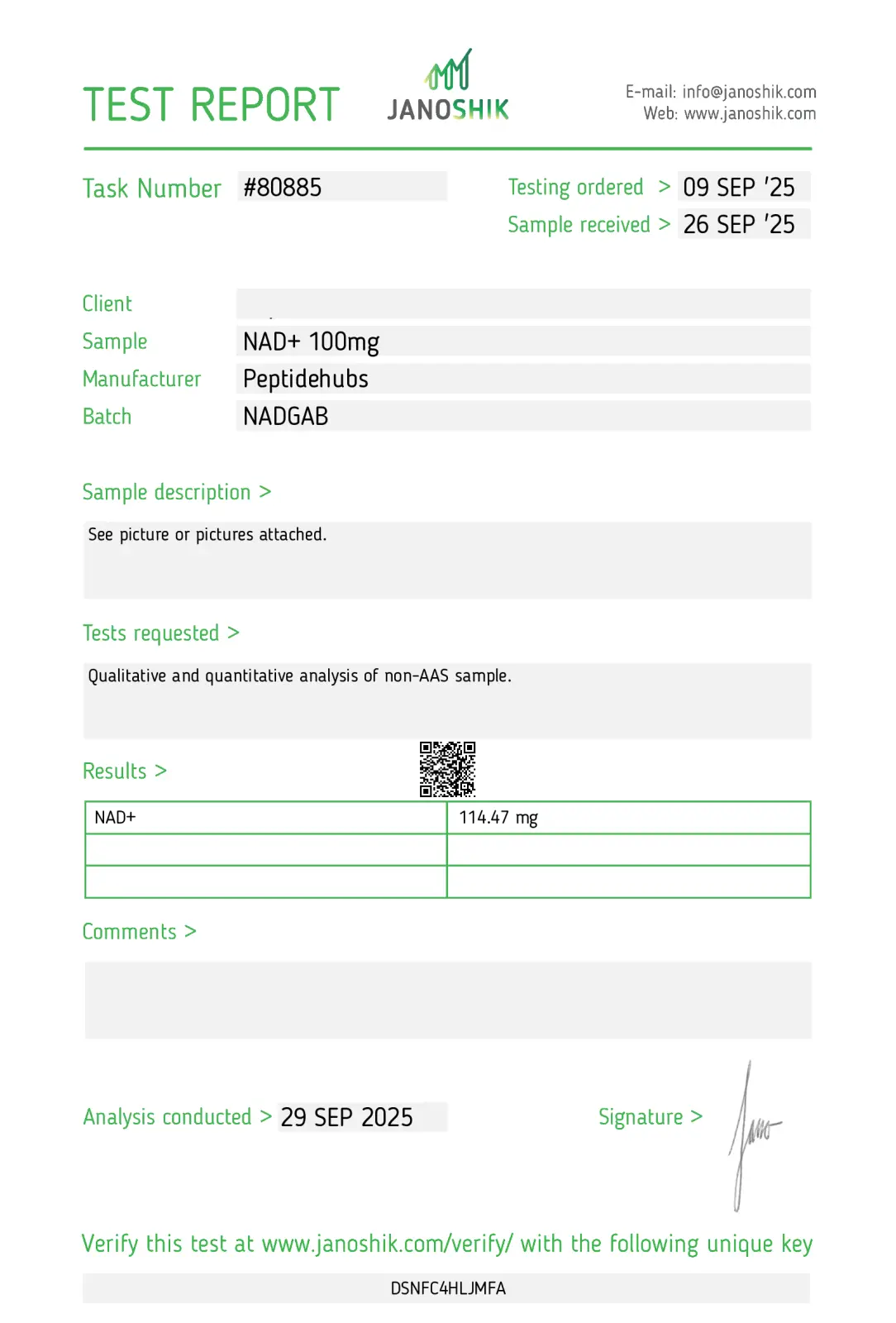
- Premium Research-Grade NAD+: 100mg lyophilized powder synthesized in the USA to >98% purity for reliable experimental results
- Electron Transport Chain Studies: Investigate NAD+'s role as a coenzyme in cellular redox reactions and mitochondrial energy metabolism
- Cellular Aging Research: Explore NAD+'s potential involvement in sirtuin activation, mitochondrial homeostasis, and age-related cellular processes
- DNA Repair Investigations: Study NAD+'s function as a substrate for PARP enzymes and its role in genomic stability mechanisms
- Neurodegenerative Models: Examine NAD+'s neuroprotective properties and mitochondrial function in laboratory neuronal cultures
- Metabolic Pathway Analysis: Analyze NAD+'s participation in glycolysis, citric acid cycle, and ATP production pathways
- Stable Lyophilized Form: Ensures long-term stability when stored properly at -80°C for extended research timelines
Technical Specifications
|
Specification |
Details |
|
Concentration |
100mg per vial |
|
Form |
Lyophilized powder |
|
Purity |
>98% |
|
Molecular Weight |
663.43 g/mol |
|
Molecular Formula |
C₂₁H₂₇N₇O₁₄P₂ |
|
Appearance |
White to off-white powder (typical for lyophilized peptides) |
|
Storage (Lyophilized) |
-80°C long-term; 4°C short-term |
|
Storage (Reconstituted) |
4°C (1-2 weeks); -20°C (3-4 months); -80°C (1 year) |
6. Storage Instructions
Lyophilized (Unreconstituted) Peptide:
Store peptides in a freezer at -80°C (-112°F) for long-term storage (several months to years). For shorter-term storage (several days, weeks, or months), refrigeration at 4°C (39°F) is generally acceptable. Lyophilized peptides are usually stable at room temperature for several weeks or more. Keep peptides away from light at all times.
Reconstituted Peptide Solutions:
Peptides in solution are less stable than their lyophilized counterparts. It is recommended to aliquot peptide solutions before freezing to avoid repeated freeze-thaw cycles, which can damage peptides. Solution stability depends on the solvent type, pH (pH 5-7 is considered optimal), and amino acid sequence. Peptide solutions are generally stable for 1-2 weeks at 4°C (39°F), for 3-4 months at -20°C, and for 1 year at -80°C. Sterile buffers at pH 5-6 should be used for storage in solution.
Additional Handling Guidelines:
Allow peptides to reach room temperature before opening containers to prevent moisture contamination from condensation. Minimize exposure to air, as peptides can oxidize, especially those containing cysteine (C), methionine (M), and tryptophan (W) residues. Avoid repeated freeze-thaw cycles to prevent degradation. Consider aliquoting into smaller portions for single-use to maintain peptide stability.

This is now my exclusive source for critical anti-aging research.
What is NAD+ used for in research?
It is a truth universally acknowledged that a natural philosopher in possession of rigorous inquiry must seek out a coenzyme of superior merit. NAD+, that most distinguished of molecules, finds itself employed in the careful examination of cellular metabolism, the intricate workings of mitochondrial function, the restoration of DNA through repair mechanisms, the activation of those noble sirtuins, the production of vital energies, and the manifold processes by which cells undergo transformation with the passage of years—all conducted, naturally, within the proper confines of the laboratory.
How should NAD+ 100mg be stored before reconstitution?
A lady or gentleman of scientific sensibility would be well advised to preserve one's lyophilized NAD+ in the most frigid of conditions—namely, at minus eighty degrees Celsius—for the extended preservation of this precious substance. Should more immediate access be required, the moderate cool of four degrees Celsius shall suffice for shorter intervals. One must take the utmost care to shield it from the rays of light, much as one might protect a delicate complexion from the sun's influence. Before opening one's vial, permit it to arrive at the temperature of the ambient room, thereby preventing the unwelcome accumulation of moisture—a precaution as sensible as it is necessary.
What is the molecular structure of NAD+?
The composition of this most remarkable substance—that is to say, Nicotinamide Adenine Dinucleotide—may be expressed in the formula C₂₁H₂₇N₇O₁₄P₂, with a molecular weight of 663.43 g/mol. It is constituted of two nucleotides, joined most deliberately through phosphate groups, the one bearing adenine and the other bearing nicotinamide. Such architecture is as elegant in design as any drawing room arrangement.
Why is NAD+ important for mitochondrial research?
One cannot overstate the consequence of this molecule in studies of the mitochondria, for NAD+ performs the essential function of conveying electrons throughout that most ingenious mechanism termed the electron transport chain—much like the transmission of intelligence through a well-connected social network. By this means, it facilitates the production of ATP through oxidative phosphorylation, thereby enabling the very respiration upon which the cell depends. Its participation in both glycolytic and citric acid pathways renders it indispensable to those who would comprehend the energetic mechanisms by which life sustains itself.
What enzymes depend on NAD+ as a cofactor?
This molecule stands in relation to three principal classes of enzymes much as a person of good breeding stands in relation to their most intimate acquaintances. The first comprises the sirtuins—those longevity-promoting proteins engaged in mitochondrial management and cellular preservation. The second consists of the poly(ADP-ribose) polymerases, those vigilant guardians of genomic integrity and DNA restoration. The third embraces the cyclic ADP ribose synthetases, including CD38 and CD157, which occupy themselves with matters immunological. Each class maintains its particular relationship with our subject.
How stable is reconstituted NAD+ in solution?
The stability of reconstituted NAD+ in solution proves considerably less robust than its lyophilized state—a circumstance not unlike the fragility of first impressions when compared to well-established character. When maintained at the moderate cool of four degrees Celsius, such solutions may be expected to endure for one to two weeks. At the more severe cold of minus twenty degrees, they shall persevere for three to four months. At the extreme cold of minus eighty degrees, one may anticipate their preservation for the duration of a full year. One would be wise to employ sterile buffers at pH five to seven, and to divide one's solutions into smaller portions for individual use, thereby sparing them the deteriorating effects of repeated freezing and thawing—a practice as prudent as it is scientifically sound.
Related Products




Highly Purified Peptides: Trusted by Researchers Worldwide
Peptide Quality You Can't Find Elsewhere!!
| Peptide Hubs | Leading Competitor | |
|---|---|---|
| 200+ Peptide Variants |  |
 |
| USA-Manufactured Research Grade | |
|
| WHO/GMP & ISO 9001:2015 Certified | |
|
| Third-Party Tested for Purity | |
|
| Certificates of Analysis Provided | |
|
| Competitive Pricing Without Compromise | |
|
| Secure & Discreet Shipping | |
|
See Peptide Hubs in Action


Insights
Sermorelin in Focus: Exploring Growth Hormone Signaling and Evidence
Semax Research Explained: Current Evidence and Research Gaps
Ipamorelin and Growth Hormone Pathways: What the Research Shows
Inside PT-141: Biological Mechanisms and Current Research

99% Purity
Ensuring the highest standard with 99% purity.

Quality Ingredients
Crafted with purity and quality ingredients at the core.

Fast Shipping
Fast, reliable shipping straight to your door.

No TFA or Fillers
Nothing extra, just science: no TFA, no fillers.

Quality You Can Rely On — Guaranteed
At PeptideHubs, scientific integrity and product reliability are at the core of everything we do. Each compound is manufactured and tested under strict quality control protocols to ensure consistency, purity, and performance for research applications.
However, if for any reason our product does not meet your research expectations, we offer a 60-day money-back guarantee — providing a risk-free procurement experience for qualified researchers and institutions.
Your research deserves uncompromised quality — and we stand behind every order to ensure you receive.