
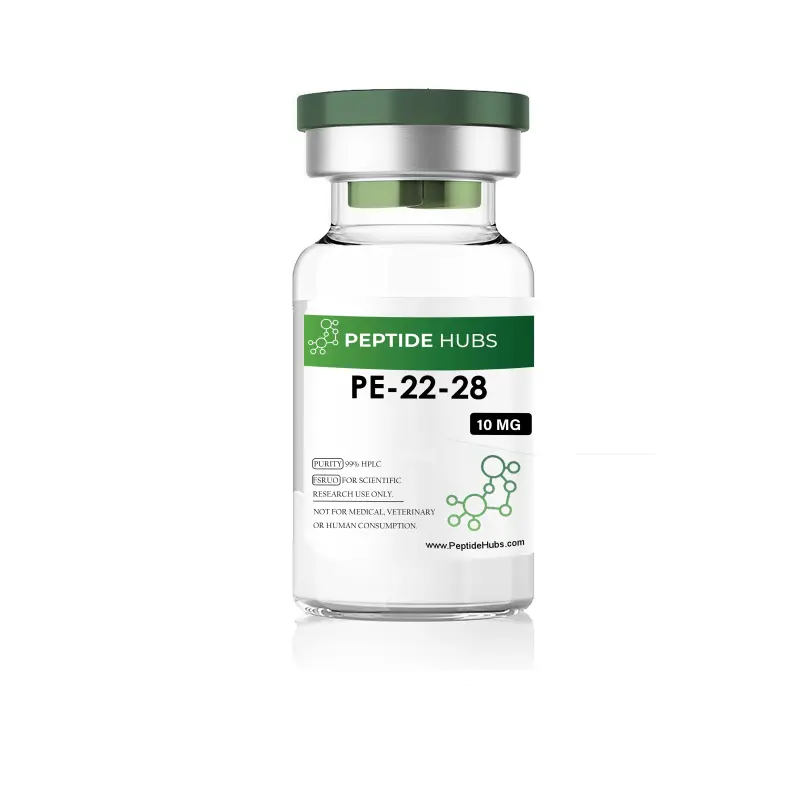

PE-22-28 10mg
- USA MADE 2-7 days delivery
- International 5-20 days delivery
THIS PRODUCT IS INTEDED AS A RESEARCH CHEMICAL ONLY.
This designation allows the use of research chemicals strictly in vitro for testing and laboratory experimentation only. All products information available on this website is for educational purposes only. Bodily introduction of any kind into humans or animals is strictly forbidden by law. This product should only be handled by licensed, qualified professional. This product is not a drug, food or cosmetic and may not be misbranded, misused or mislabled as a drug food or cosmetic.
What is PE-22-28?
PE-22-28 represents a refined synthetic derivative of spadin, a naturally occurring peptide isolated from sortilin—an abundant protein in the central nervous system. The designation "PE-22-28" reflects its composition: amino acids 22 through 28 from the original spadin sequence, condensed into a seven-amino acid chain. This shortened sequence maintains the functional properties of the parent molecule while offering improved bioavailability and metabolic stability compared to full-length spadin.
Early research by Djillani and colleagues identified PE-22-28 as "the shortest, most efficient sequence capable of blocking the TREK-1 channel," suggesting potentially higher potency in laboratory settings than its source peptide. Researchers theorize that this synthetic analog achieves comparable or superior functional outcomes through its focused interaction with the TREK-1 (TWIK-related potassium channel)—a two-pore potassium channel increasingly recognized as a significant target in neuroscience research.
PE-22-28 Structure
Sequence: GVSWGLR
Molecular Formula: C₃₅H₅₅N₁₁O₉
Molecular Weight: 773.89 g/mol
The structure of PE-22-28 evinces the commendable restraint that accompanies true utility. Its lean composition of seven amino acids reflects derivation from spadin's active core, much as a well-turned phrase contains the essential meaning without superfluous embellishment. The peptide exhibits—and this the investigator will find of no small convenience—water solubility approaching 2 mg/mL in deionized water, a property that facilitates experimental preparation with admirable facility and affords considerable flexibility in laboratory conduct.
PE-22-28 Research
What is TREK-1?
To understand PE-22-28 is necessarily to understand its intimate acquaintance: the two-pore potassium channel TREK-1. This channel merits attention, occupying as it does so prominent a position within the nervous economy. It distributes itself with evident purpose throughout the central and peripheral nervous systems, maintaining particular establishment within the prefrontal cortex, hippocampus, and amygdala—those regions wherein resides the governance of temperament, memory, and the emotional dispositions that so greatly occupy human consciousness.
TREK-1 proves to be a channel of considerable complexity, regulated as it is by multiple intracellular and extracellular factors. Its physiological employment extends beyond the purely neurological: the channel appears to influence muscular responsiveness to mechanical stimuli with rather interesting consequences. In the realm of neural activity, TREK-1 activation diminishes cellular excitability through the facilitation of potassium efflux, thereby affording protection against the toxicities of excessive neural stimulation. Conversely, its blockade—the function which PE-22-28 undertakes with considerable purpose—increases neuronal excitability. This mechanical duality renders the channel an object of sustained and legitimate scientific curiosity.
Depression
PE-22-28 has demonstrated most encouraging potential in experimental models designed to assess depressive states through its interference with TREK-1 channel function. In the forced swimming test—a behavioural assay wherein rodents are placed in water, their instinctive resistance to immersion measuring the vigour of their depressive-like state—PE-22-28 administration produced measurable reductions in immobility time in a manner proportional to the dose administered, thereby indicating effects suggestive of antidepressant activity. One understands that the mechanism underlying these observations involves heightened neuronal excitability within the mood-regulating circuits of the prefrontal cortex and the serotonergic pathways originating in the dorsal raphe nucleus—those neural highways through which mood itself appears to travel.
A most singular advantage of PE-22-28 concerns the rapidity of its action. Whereas conventional approaches to mood disturbance require weeks of patient administration before therapeutic effects manifest themselves, PE-22-28 demonstrates behavioural effects within mere days—a temporal immediacy suggestive of mechanisms involving neurogenic activity rather than the sluggish adaptive responses of traditional pharmacology. Furthermore, neuroimaging investigations have revealed that the reduced volume of the hippocampus—that anatomical hallmark of the depressive phenotype—may be partially ameliorated through PE-22-28-mediated neurogenesis, thereby linking the inhibition of a molecular channel to the restoration of macro-scale structural organization within regions devoted to memory and mood.
Post-Stroke Depression
Animal models designed to simulate post-stroke depression reveal a narrative of considerable interest. When treated with spadin or PE-22-28, these models demonstrated behavioral and neurochemical improvements worthy of serious investigation. A particularly instructive comparison emerged when spadin and selective serotonin reuptake inhibitors (SSRIs) were examined within identical post-stroke depression paradigms. Both compounds exhibited efficacy; however, spadin appeared to act with greater velocity and, moreover, seemed to circumvent certain adverse effects commonly attending systemic SSRI exposure.
This distinction suggests—and we say this with appropriate circumspection—that TREK-1 antagonism operates through pathways that may prove complementary to, or indeed independent of, the serotonin reuptake mechanisms through which conventional therapeutics exert their influence. The implications warrant further investigation.
Neurogenesis
Perhaps the most thoroughly characterized aspect of PE-22-28 research concerns its apparent capacity to stimulate hippocampal neurogenesis—that remarkable process by which new neurons and synaptic connections arise. Within a mere four days of spadin exposure in rodent models, investigators detected marked increases in bromodeoxyuridine (BrdU)-positive cells throughout the hippocampus, a marker indicating cells engaged in DNA synthesis and proliferation. This neurogenic activation persisted throughout observation periods extending to fifteen days, suggesting sustained and purposeful engagement of neurogenic mechanisms.
The machinery underlying this response reflects CREB phosphorylation and upregulation of brain-derived neurotrophic factor (BDNF) messenger RNA—that substance critical to neuronal survival and synaptic plasticity. BDNF supports memory consolidation and long-term potentiation through mechanisms of elegant sophistication. The colocalization of phosphorylated CREB with doublecortin (DCX)—a marker identifying neuronal precursor cells—indicates that TREK-1 blockade preferentially activates neuronal rather than glial proliferation pathways. These observations suggest, with reasonable confidence, that PE-22-28 similarly influences hippocampal neurogenesis through comparable molecular mechanisms.
Muscle Function
The TREK-1 channel presents itself as a mechanosensor of considerable interest within muscular tissue. Application of negative pressure to isolated muscle cell patches increases TREK-1 channel opening by approximately nineteen-fold—a magnitude of response suggesting the channel functions as a biological monitor of mechanical stress. TREK-1 activation appears to promote muscle relaxation, whilst its blockade correlates with increased contractility. This mechanistic foundation positions PE-22-28 as a candidate of merit for investigating muscle physiology and potential research applications in myogenic disorders.
We must acknowledge, with appropriate restraint, that direct evidence specific to PE-22-28 remains not yet comprehensive. However, the structural similarity to spadin permits reasonable inference from parent peptide studies, and this inference, we trust, will guide the discerning investigator.
Summary
PE-22-28 emerges from a most felicitous convergence of rational peptide design and empirical validation. Its potent, selective antagonism of TREK-1 engages multiple downstream pathways of acknowledged relevance to neuronal survival, neurogenesis, synaptic plasticity, and serotonergic neurotransmission. Whilst direct human clinical evidence remains, as one might say, rather conspicuously absent, the consistency of findings across rodent models—coupled with the apparent absence of seizure-promoting effects observed in complete TREK-1 gene deletion—suggests a research profile of considerable promise. The peptide's rapid onset and molecular specificity distinguish it as a refined instrument for investigating TREK-1 biology with precision and purpose.
Feature Bullets
- 99% Purity: Pharmaceutical-grade lyophilized powder of the quality that rigorous research demands
- TREK-1 Selectivity: Most potent antagonist available, with IC₅₀ of 0.12 nM—efficient channel blockade without excess of ceremony
- Rapid Neurogenic Activation: Research indicates hippocampal neurogenesis induction within four days of exposure—a commendable brevity
- Optimized Spadin Derivative: Seven-amino acid structure offering enhanced stability and bioavailability compared to full-length source peptide
- Distributed CNS Expression: TREK-1 abundance across multiple brain regions permits diverse investigative applications of considerable scope
- Ready Aqueous Solubility: Soluble to approximately 2 mg/mL in deionized water; facilitates experimental preparation with gratifying convenience
- Multi-System Relevance: Applicable to inquiry into neurogenesis, neuroprotection, synaptic plasticity, and muscular physiology
Technical Specifications Table
|
Specification |
Value |
|
Amino Acid Sequence |
GVSWGLR |
|
Molecular Formula |
C₃₅H₅₅N₁₁O₉ |
|
Molecular Weight |
773.89 g/mol |
|
Quantity per Vial |
10 mg |
|
Physical Form |
Lyophilized powder |
|
Purity Assay |
99% |
|
Aqueous Solubility |
Approximately 2 mg/mL in deionized water |
|
Recommended Storage |
−20°C (short-term); −80°C (long-term) |
|
CAS Registry Number |
1801959-12-5 |
|
Principal Research Application |
TREK-1 channel antagonism; neurogenesis studies; neuroprotection; central nervous system research |
Storage Instructions
PE-22-28 is furnished in the form of lyophilized powder and ought to be maintained in its original vial at a temperature of −20°C in an environment of dryness, protected from the incursions of light and moisture. The lyophilized formulation confers stability of duration most gratifying; when preserved under these recommended conditions, the peptide maintains both chemical integrity and biological activity over extended periods of time. Upon receipt of your vial, it is strongly advised that unused portions be placed promptly into a freezer maintained at −20°C. Should the vial be opened for the purpose of sampling, one is urged to minimize exposure to atmospheric humidity by proceeding with appropriate expedition and resealing the container without delay.
For those instances in which storage must extend beyond six months' duration, maintenance at −80°C is recommended to further retard any degradation of the compound. When reconstitution becomes necessary, one should employ sterile water or dilute acetic acid in concentrations not exceeding 2 mg/mL; prepared solutions ought to be employed without undue delay, or preserved at 4°C for brief intervals, and at −20°C should extended storage prove necessary. It is a matter of considerable importance to avoid subjecting the lyophilized powder to repeated cycles of freezing and thawing prior to use, as such thermal vicissitudes may compromise the integrity of the peptide structure. Do not permit the powder to thaw and refreeze multiple times.

In my research, it has provided a sense of neurological 'balance' that is far superior to standard stimulants. The packaging from Peptide Hubs was professional and secure, ensuring the peptide's structural integrity was maintained.
It is a worthwhile investment for any high-level cognitive or neurogenic research protocol.
The 10mg vial arrived in perfect condition, and the lyophilized powder was uniform and highly soluble. For researchers looking into TREK-1 channel blockers, this is the gold standard for purity and efficacy.
Related Products




Highly Purified Peptides: Trusted by Researchers Worldwide
Peptide Quality You Can't Find Elsewhere!!
| Peptide Hubs | Leading Competitor | |
|---|---|---|
| 200+ Peptide Variants |  |
 |
| USA-Manufactured Research Grade | |
|
| WHO/GMP & ISO 9001:2015 Certified | |
|
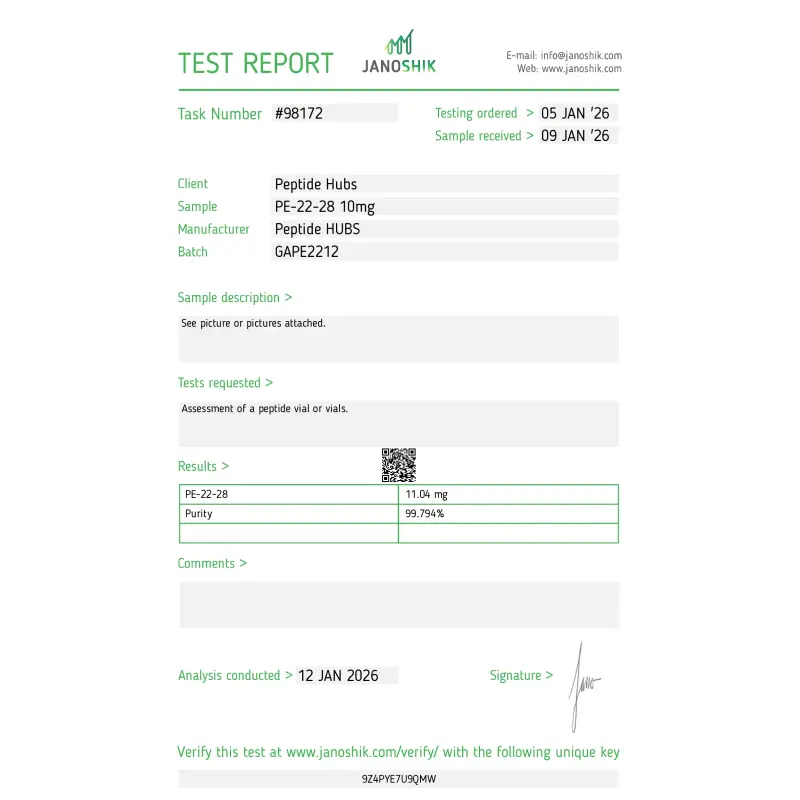
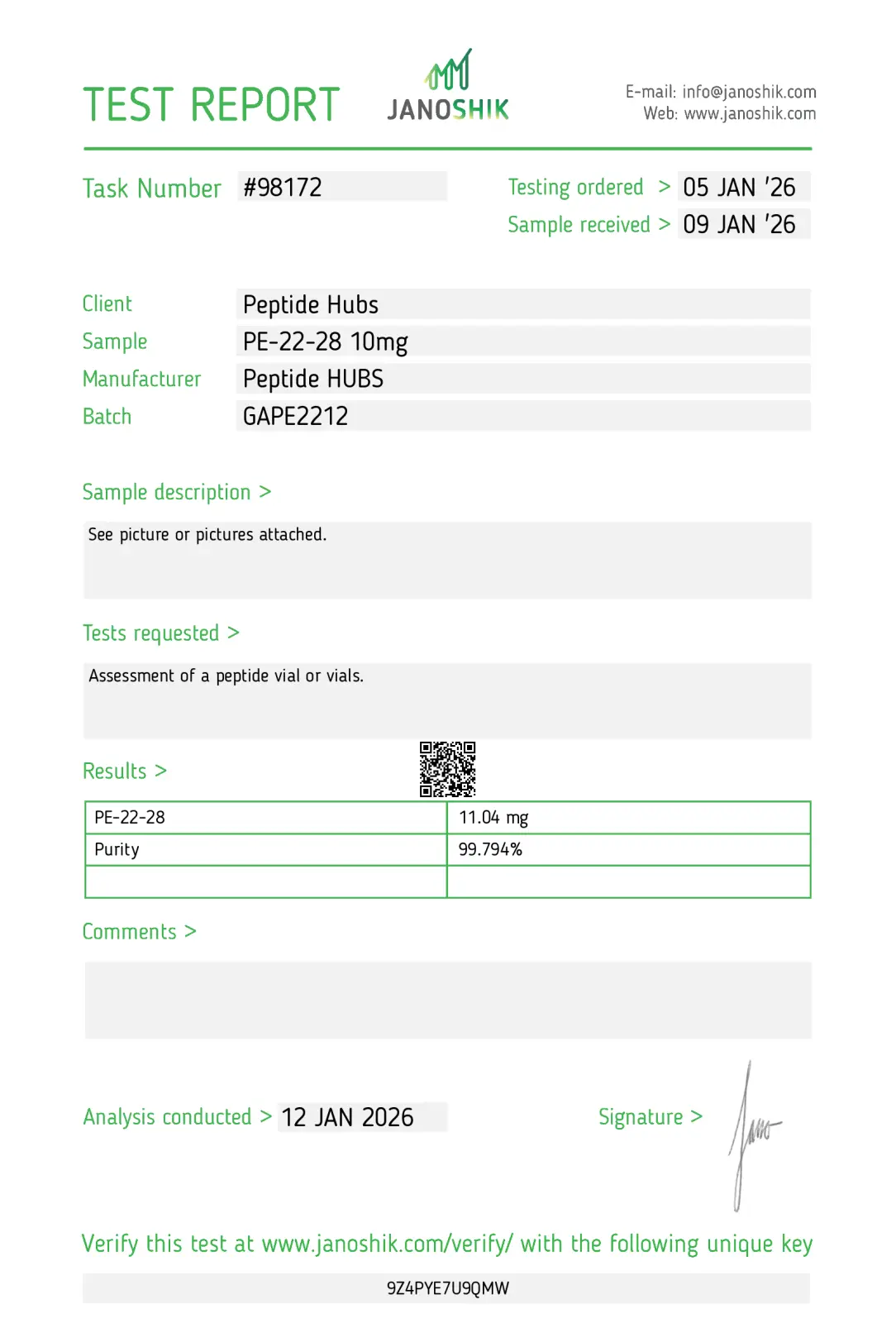
| Third-Party Tested for Purity | |
|
| Certificates of Analysis Provided | |
|
| Competitive Pricing Without Compromise | |
|
| Secure & Discreet Shipping | |
|
See Peptide Hubs in Action


Insights

Survodutide in 2026: The Dual Agonist Changing Liver Fat & Weight Loss Research

Semaglutide for Weight Loss: Key Research Breakthroughs and Insights

SARMs or Peptides? Choosing the Right Compound for Your Fitness Goals

Cellular Regeneration & Anabolism: Top Muscle Peptides for 2026

99% Purity
Ensuring the highest standard with 99% purity.

Quality Ingredients
Crafted with purity and quality ingredients at the core.

Fast Shipping
Fast, reliable shipping straight to your door.

No TFA or Fillers
Nothing extra, just science: no TFA, no fillers.

Quality You Can Rely On — Guaranteed
At PeptideHubs, scientific integrity and product reliability are at the core of everything we do. Each compound is manufactured and tested under strict quality control protocols to ensure consistency, purity, and performance for research applications.
However, if for any reason our product does not meet your research expectations, we offer a 60-day money-back guarantee — providing a risk-free procurement experience for qualified researchers and institutions.
Your research deserves uncompromised quality — and we stand behind every order to ensure you receive.