
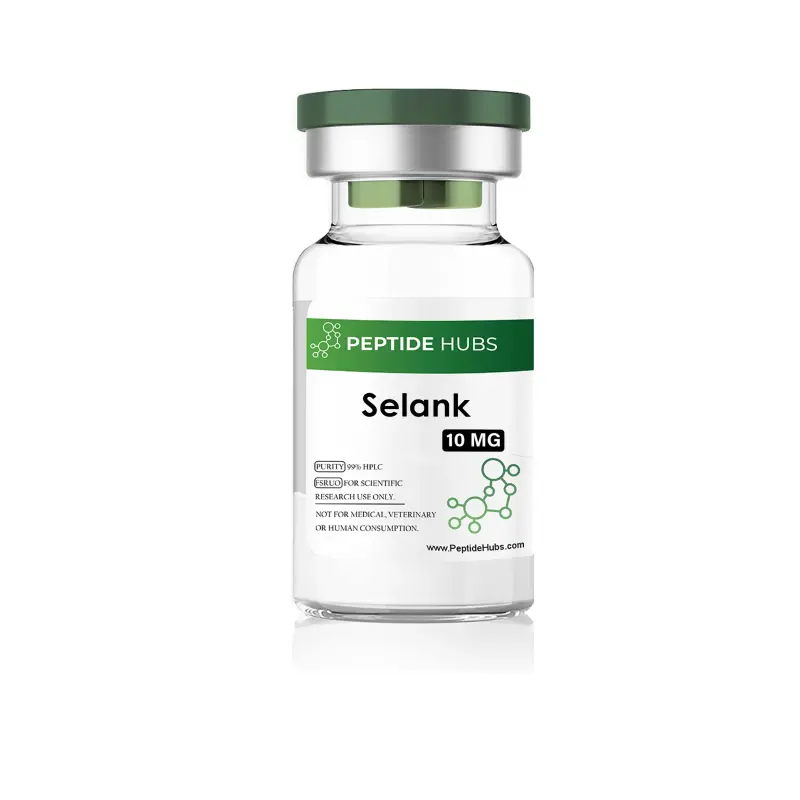
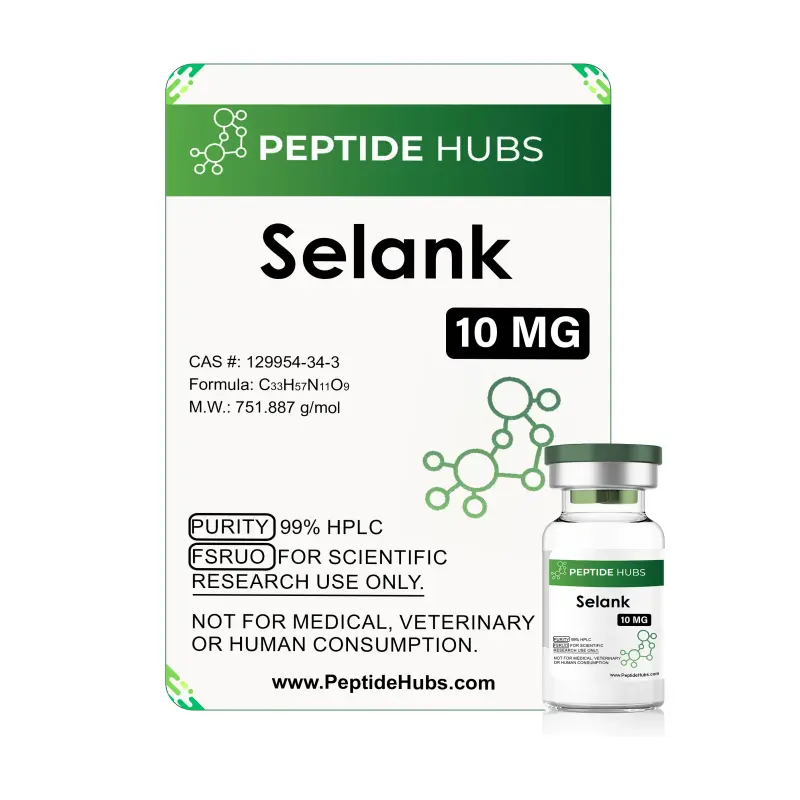
Selank 10mg
- USA MADE 2-7 days delivery
- International 5-20 days delivery
THIS PRODUCT IS INTEDED AS A RESEARCH CHEMICAL ONLY.
This designation allows the use of research chemicals strictly in vitro for testing and laboratory experimentation only. All products information available on this website is for educational purposes only. Bodily introduction of any kind into humans or animals is strictly forbidden by law. This product should only be handled by licensed, qualified professional. This product is not a drug, food or cosmetic and may not be misbranded, misused or mislabled as a drug food or cosmetic.
Product Summary
Selank 10mg: a synthetic heptapeptide derived from tuftsin, studied extensively for anxiolytic and nootropic properties in preclinical research applications.
Key Features
- High-purity synthetic heptapeptide (>97% purity)
- Enhanced metabolic stability with extended Pro-Gly-Pro sequence
- Extensively researched anxiolytic and cognitive enhancement properties
- Lyophilized powder format for optimal stability
- Suitable for advanced research applications
What Is Selank 10mg?
In the world of synthetic peptides, few compounds command as much attention as Selank. This isn't mere scientific fashion—there's substance here.
Selank emerged from Russian laboratories in the 1980s, when researchers at the Institute of Molecular Genetics decided that nature's tuftsin needed improvement. They weren't wrong. The original tetrapeptide, while biologically active, degraded too quickly to be practically useful. So they built something better.
The result? A seven amino acid sequence: Thr-Lys-Pro-Arg-Pro-Gly-Pro. Simple enough to write on a napkin, complex enough to influence multiple neurotransmitter systems. That additional Pro-Gly-Pro tail isn't decorative—it's the difference between a peptide that lasts minutes and one that can actually do its job.
What sets Selank apart from pharmaceutical anxiety treatments is its mechanism. Rather than bulldozing through GABA receptors like benzodiazepines do, Selank appears to work more like a skilled negotiator—enhancing natural processes without overwhelming them. The research suggests it modulates GABAergic pathways while also influencing serotonin, dopamine, and enkephalin signaling. That's a lot of moving parts for seven amino acids.
Selank 10mg Overview
Here's what makes peptide researchers lose sleep over Selank: it appears to influence gene expression.
Not just any genes, mind you. We're talking about 52 of the 84 genes associated with GABA signaling pathways. That's the kind of comprehensive neurochemical influence that pharmaceutical companies spend billions trying to achieve with small molecule drugs.
The mechanism is elegant. Instead of jamming itself into GABA-A receptors like a square peg, Selank seems to work allosterically—changing the receptor's shape to make it more receptive to natural GABA. Think of it as tuning a radio to pick up signals more clearly rather than cranking up the volume.
This explains something puzzling about early Selank studies. Researchers expected sedation—after all, most things that enhance GABA activity make you sleepy. Instead, they found alertness combined with reduced anxiety. The compound was doing something fundamentally different.
Then there's the BDNF story. Brain-derived neurotrophic factor sounds like marketing copy, but it's actually crucial for neural plasticity. Research indicates Selank can rapidly boost BDNF expression in hippocampal regions. Translation: it might help brain cells grow and connect more effectively.
Chemical Makeup
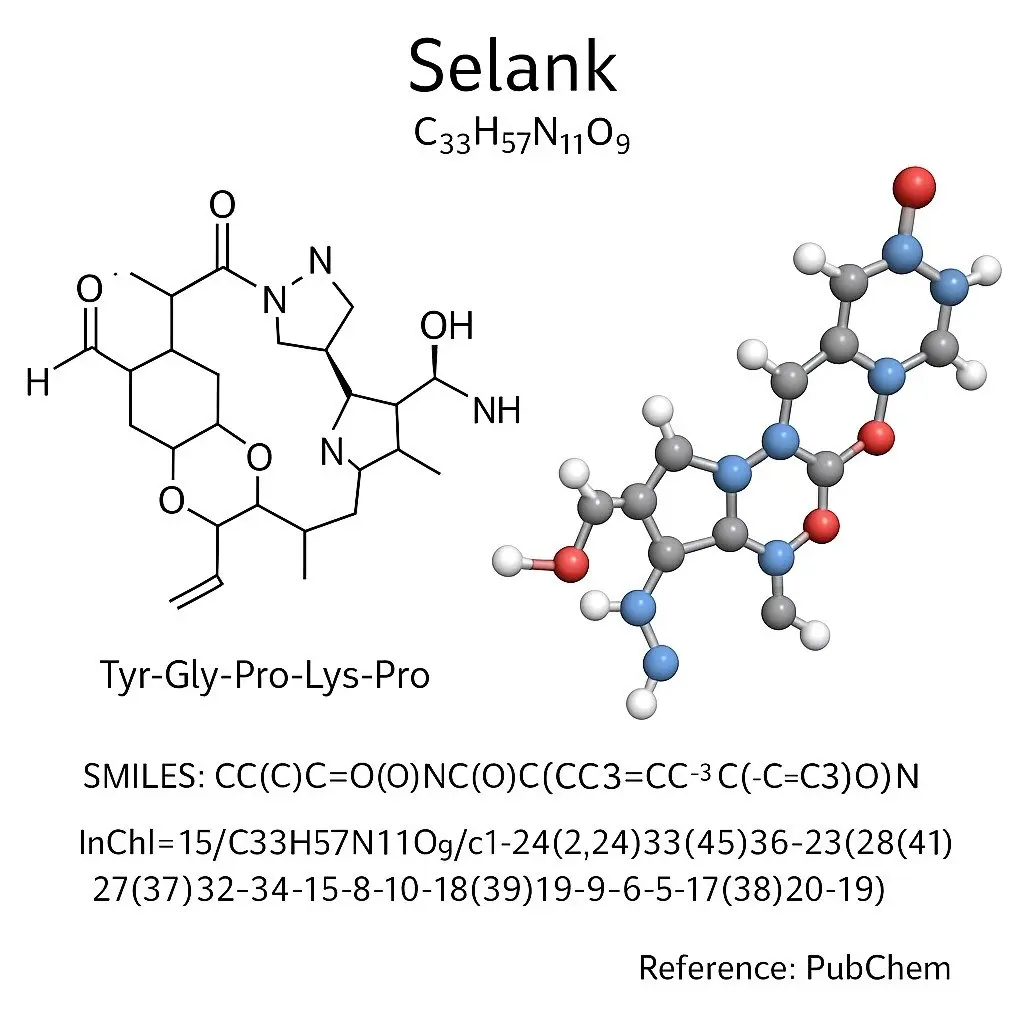
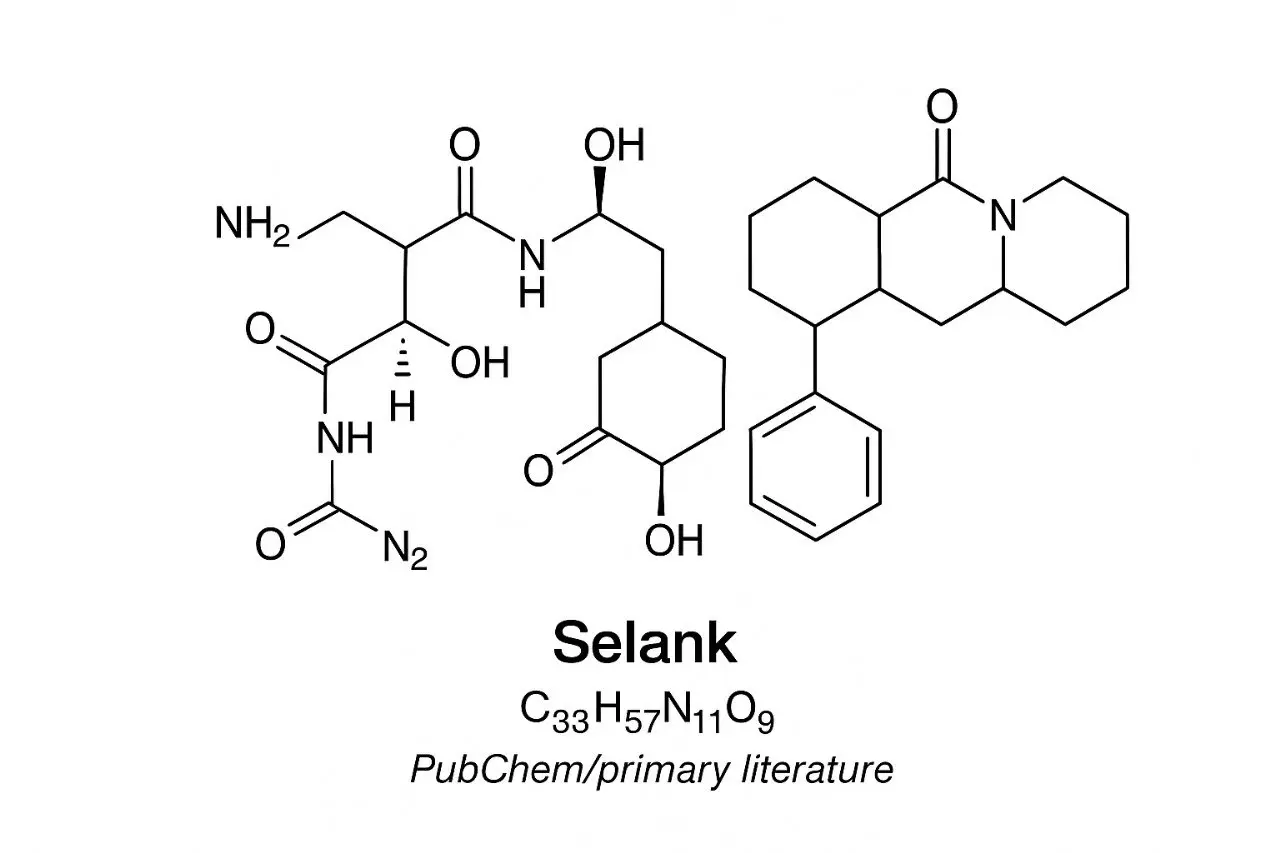
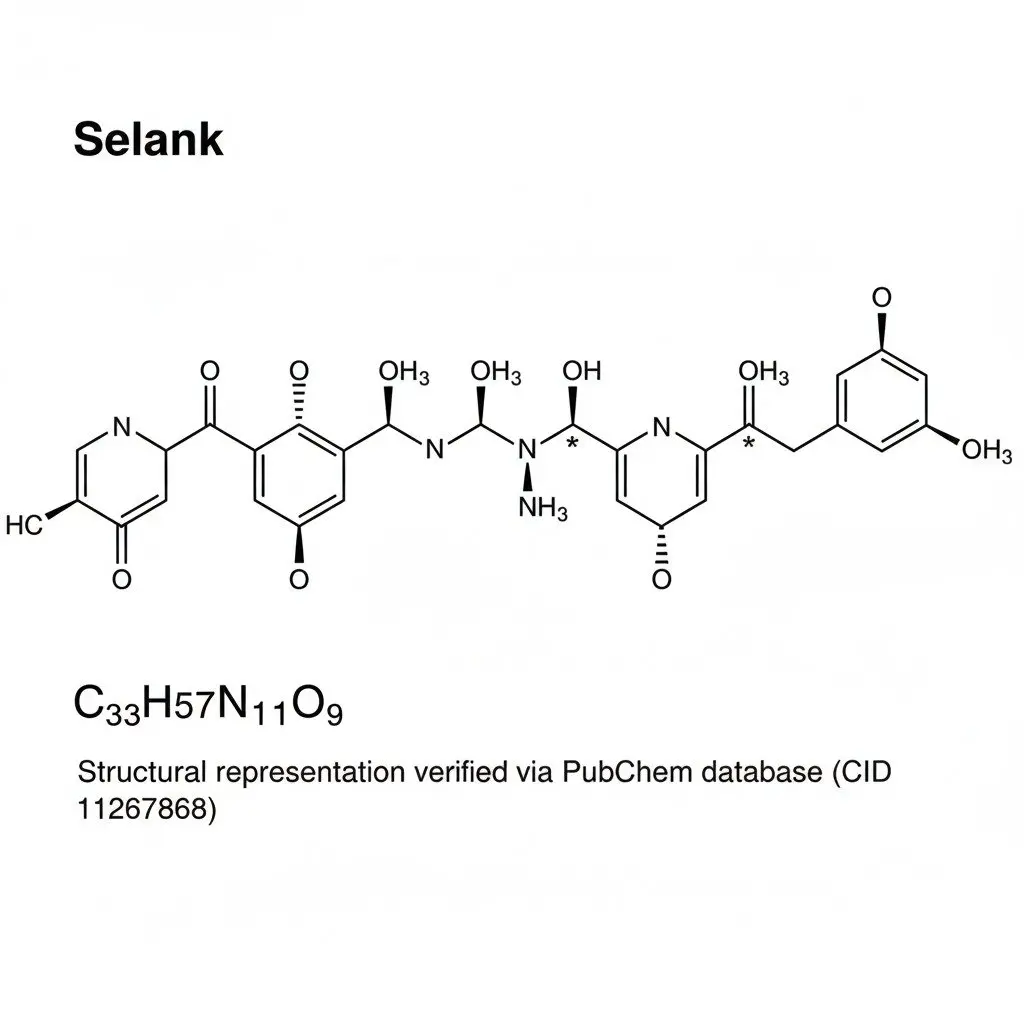
Molecular Formula: C33H57N11O9
Molecular Weight: 751.87 g/mol
Sequence: Thr-Lys-Pro-Arg-Pro-Gly-Pro (TKPRPGP)
CAS Number: 129954-34-3
Synonyms: TP-7, Selanc
The chemistry here tells of optimization.
Take the N-terminal sequence—it mirrors tuftsin exactly. But that C-terminal extension? Pure innovation. Three amino acids that transform a fragile natural peptide into something stable enough for research applications.
In plasma, unmodified tuftsin survives barely long enough to measure. Selank persists for 7-10 minutes—not long by pharmaceutical standards, but revolutionary compared to its predecessor. Those three extra amino acids earn their keep by creating steric hindrance around peptidase cleavage sites.
Selank Research
GABAergic System Modulation
The GABA story gets interesting when you examine the genetics.
Contemporary gene expression analysis reveals something remarkable: Selank administration affects transcription of multiple genes involved in GABA signaling. We're not talking about subtle tweaks here—entire receptor subunits, transporters, and ion channels show altered expression patterns.
But here's where it gets clever. While diazepam and its cousins work by direct receptor occupation, Selank appears to function as a positive allosteric modulator. It doesn't compete with natural GABA for binding sites—instead, it changes the receptor's shape to increase GABA's binding affinity.
This distinction matters. Direct agonists often produce tolerance, dependence, and cognitive impairment. Allosteric modulators tend to be more forgiving. Research comparing Selank to diazepam in chronic stress models showed comparable anxiolytic efficacy, but with combination therapy demonstrating enhanced benefits. The compounds were working together, not against each other.
Cognitive Enhancement and Memory
Memory research with Selank produces results that pharmaceutical companies would kill for.
Studies using conditioned avoidance response training showed improved learning efficiency—fewer errors, better solution accuracy. The kind of cognitive enhancement that doesn't come with stimulant side effects or midnight anxiety attacks.
The mechanism appears to involve hippocampal gene expression changes. Thirty-six genes showed altered transcription patterns, many encoding proteins essential for memory formation. This isn't just behavioral change—it's molecular reprogramming of learning circuits.
Perhaps most intriguingly, research on alcohol-induced cognitive impairment found that Selank helped preserve brain function. The peptide seemed to protect BDNF levels even under neurotoxic conditions. If confirmed, this suggests neuroprotective properties beyond simple cognitive enhancement.
Neurotransmitter System Interactions
Selank's influence extends far beyond GABA.
Serotonin metabolism in brainstem regions shows enhancement, particularly under conditions of serotonergic impairment. This mechanism could explain mood-regulating effects observed in various research models. The compound isn't just reducing anxiety—it's potentially addressing underlying neurotransmitter imbalances.
Dopamine receptor gene expression also changes with Selank treatment. D5 receptor transcription activation at extended time points suggests involvement in long-term potentiation processes. This could explain why cognitive benefits sometimes persist beyond the compound's immediate presence.
Then there's the enkephalin connection. Research indicates Selank may inhibit enzymes that degrade these endogenous opioid peptides. By preserving natural enkephalins, the compound potentially modulates stress response and pain perception without direct opioid receptor activation.
Immunomodulatory Properties
The immune system effects weren't expected—they were discovered by accident.
Clinical studies in anxiety populations revealed that Selank altered interleukin-6 levels and T-helper cell cytokine ratios. This wasn't supposed to happen with an anxiolytic peptide, but there it was in the data.
Gene expression analysis confirmed the finding. Selank influences transcription of genes encoding chemokines, cytokines, and their receptors. The compound wasn't just affecting the nervous system—it was modulating immune function as well.
This suggests applications beyond anxiety management, though much work remains to understand the clinical implications.
Safety Considerations
Selank's safety profile looks reassuring in preclinical work, but research demands vigilance.
Documented effects remain mild: occasional nasal irritation with intranasal use, rare headaches, isolated reports of drowsiness or mood changes. These typically resolve with dosage adjustment or protocol modification.
Drug interactions require careful consideration. While specific contraindications remain incompletely characterized, combining Selank with other neuroactive compounds demands caution. GABAergic, serotonergic, or dopaminergic medications could produce unexpected interactions.
Individuals with autoimmune conditions should approach use carefully. The compound's immunomodulatory properties, while potentially beneficial, could theoretically exacerbate existing immune dysfunction.
Research Disclaimer: This product serves research purposes exclusively and lacks approval for human consumption. While studies suggest therapeutic potential, comprehensive clinical validation continues. Researchers must consult appropriate safety guidelines and institutional protocols before use. Regulatory authorities haven't evaluated these statements, and this product isn't intended to diagnose, treat, cure, or prevent any condition.
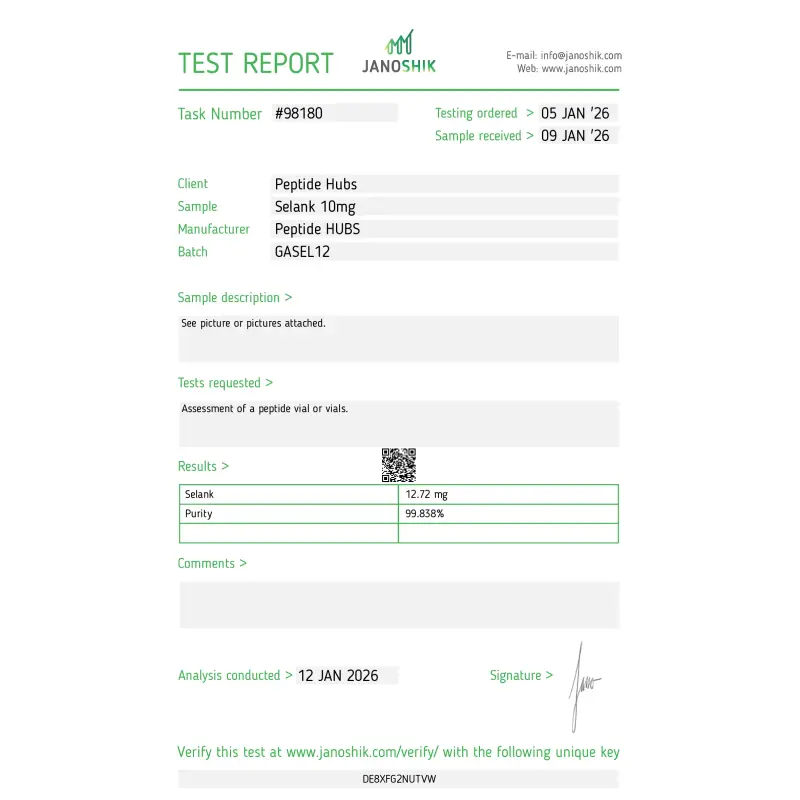
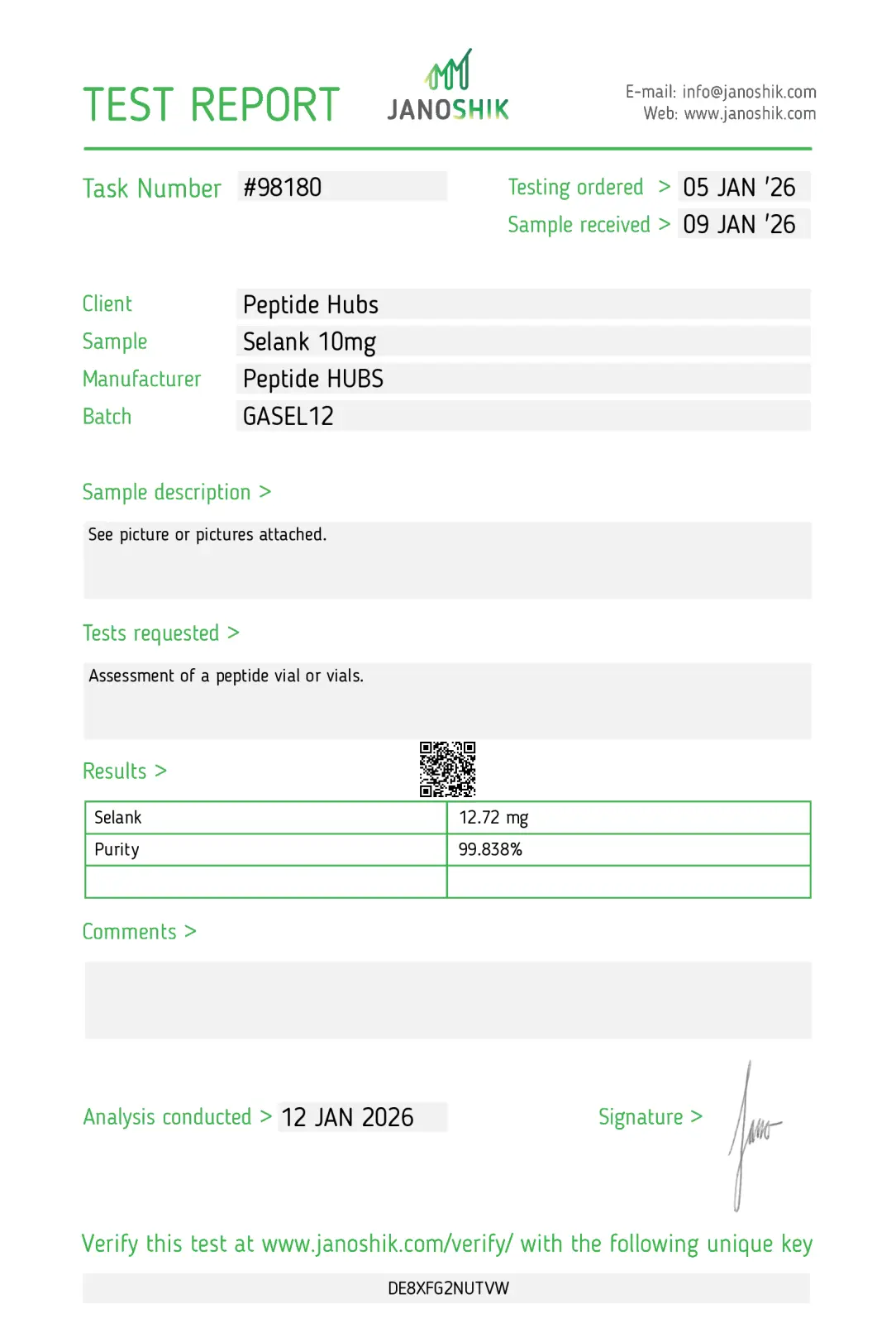
Quality Assurance: Each batch undergoes rigorous quality control testing ensuring >97% purity and research standard compliance. Certificates of analysis are available upon request.
Research references derive from current scientific literature. Individual results vary, and this information serves educational purposes only. Qualified research professionals should be consulted before initiating any research protocol.
.
Storage and Stability
Peptides are particular about their accommodations.
Lyophilized Selank 10mg demands storage below -18°C in dry, dark conditions. Room temperature kills peptides slowly but surely through hydrolysis and oxidation. The freezer isn't optional—it's life support.
Once reconstituted, the clock starts ticking. Refrigerated solutions at 2-8°C remain stable for 2-7 days maximum. Extended storage requires freezing at -20°C, though freeze-thaw cycles should be minimized to prevent precipitation.
Glass vials trump plastic for long-term storage. Chemical inertness matters when dealing with sensitive peptides. Light exposure accelerates degradation, so dark storage isn't just convenience—it's preservation. Desiccant materials help in humid environments, though they shouldn't contact the peptide directly.

Peptide Hubs is absolutely first-rate. I ordered Selank and was impressed by their customer service and attention to detail. They even added an extra vial to my shipment when I missed a bulk deal above and beyond! Their purity and pricing make them my go-to for research peptides.
I’ve experienced fast shipping and consistently high-quality peptides from Peptide Hubs.
Selank arrived securely packaged and on time. It’s always a pleasure doing business with a trustworthy supplier. Thank you for making research easier!
What I appreciate most is how easy it is to order Selank from Peptide Hubs. The platform is simple, prices are competitive, and the quality is top-notch. I’ve been watching them for a while and finally placed an order. Now I’m a loyal customer for all my research needs.
After being misled by fake products that stalled my work, I tried Selank from Peptide Hubs. The results exceeded expectations with 99.9% purity confirmed by independent testing. In my 15 years of research, this company ranks among the best.
Highly recommended for anyone serious about quality peptides.
I needed Selank for my research and asked around for recommendations. At first, I was skeptical, but when I learned Peptide Hubs is run by the same team I worked with years ago, I gave them a try. I’m so glad I did! The quality is outstanding, and it feels great to reconnect with a reliable source.
Product Quality:
Vial was clearly labeled and high purity, with safe reconstitution instructions.
Usage:
Used intranasal drops during particularly stressful moments, twice daily.
Results:
• Week 1: Immediately felt a gentle sense of calm without fatigue.
• Week 3: Less reactive during tantrums; more present and patient.
• Week 6: Better emotional regulation; less tension carried through the day.
Side Effects:
Tiny headache after first use, but then none.
Shipping:
Discreet and timely.
Overall:
Ideal for emotional resilience in high-demand parenting days. Warmly recommend five stars for real-life value.
Product Quality:
Quality was impeccable 99% purity and clear preparation instructions. Reconstitution flawless.
Usage:
Administered intranasally per protocol, tracking mood, reaction time, and stress markers.
Results:
• Week 2: Slight calming effect under mild stress.
• Week 5: No measurable gains in memory tasks, although mood felt marginally steadier.
• Week 8: Real-world benefits felt mild not transformative.
Side Effects:
None noteworthy except a subtle metallic taste intranasally.
Shipping:
Fast, discreet, and professional.
Overall:
Interesting potential academically, but real-world impact is subtle. Depend on your expectations gave three stars for accuracy and restraint.
Product Quality:
Lyophilized powder was pristine (>99%), with clear batch info. Reconstitution was effortless.
Usage:
Rotated intranasal and sub-Q administration twice weekly, complemented by mindfulness practices.
Results:
• Week 2: Mood felt more stable, noticeably less reactive to daily stress.
• Week 5: Focus improved, even during mentally demanding client sessions.
• Week 8: Noticed fewer sick days and mild energy boost possibly Selank’s immunomodulatory benefit.
Side Effects:
Nothing significant. Felt grounded and energized.
Shipping:
Arrived in 5 days, securely packaged.
Overall:
Truly multitasking supported calmness, clarity, and resilience. A solid five stars from a holistic standpoint.
Product Quality:
Packaging was clean, purity info clear, and the powder mixed smoothly with bacteriostatic water.
Usage:
Started with low intranasal doses before study periods, then shifted to sub-Q for steady effects.
Results:
• First Week: Slight calm without sedation just a smoother mental state.
• Week 4: Anxiety before presentations dropped significantly.
• Week 6: Recall improved during late-night study sessions; stress levels felt manageable.
Side Effects:
Mild tingling at injection site once or twice; otherwise, no issues.
Shipping:
Quick and discreet delivery.
Overall:
Made study sessions calmer and more focused. Rated four stars only because I wish the effects were a bit more pronounced but still a solid supportive aid.
Product Quality:
The vial arrived professionally labeled as USA-made, over 99% purity, lyophilized. Reconstitution was clean and fully dissolved.
Usage:
Prepared using sterile water per lab protocols, subcutaneous injections twice weekly at low doses not aiming for dramatic effects, just sharper clarity.
Results:
• Week 1: Slight reduction in daily brain fog; still adjusting.
• Week 3: Noticed improved attention during afternoon meetings.
• Week 6: Better short-term memory: remembered names and tasks effortlessly; calmer under pressure.
Side Effects:
Zero sedation or jitters. Occasional mild nasal dryness when using intranasal route.
Shipping & Service:
Arrived discreetly in 4 business days; materials and label clarity top-notch.
Overall:
Subtle yet meaningful. Greater cognitive clarity without compromising alertness. Definitely a five-star tool for focused professionals.
What distinguishes Selank from conventional anxiolytics?
The mechanism sets it apart. While benzodiazepines force their way into GABA receptors, Selank works allosterically—enhancing natural neurotransmitter function without overwhelming it. Think enhancement rather than replacement.
How should reconstitution be performed?
Use 1-2ml bacteriostatic water or sterile saline. Mix gently—peptides hate agitation. Calculate final concentration based on your dilution volume. Mathematics matters in peptide research.
What's the optimal storage approach?
Lyophilized powder lives happily at -18°C or below. Reconstituted solutions need refrigeration at 2-8°C and should be used within one week. Time is the enemy of peptide stability.
Can Selank be combined with other research compounds?
Some studies suggest synergistic potential, but comprehensive interaction data remains limited. Proceed with caution and appropriate monitoring. Combination protocols require extra vigilance.
Related Products


Highly Purified Peptides: Trusted by Researchers Worldwide
Peptide Quality You Can't Find Elsewhere!!
| Peptide Hubs | Leading Competitor | |
|---|---|---|
| 200+ Peptide Variants |  |
 |
| USA-Manufactured Research Grade | |
|
| WHO/GMP & ISO 9001:2015 Certified | |
|
| Third-Party Tested for Purity | |
|
| Certificates of Analysis Provided | |
|
| Competitive Pricing Without Compromise | |
|
| Secure & Discreet Shipping | |
|
See Peptide Hubs in Action


Insights

Sermorelin in Focus: Exploring Growth Hormone Signaling and Evidence
Semax Research Explained: Current Evidence and Research Gaps
Ipamorelin and Growth Hormone Pathways: What the Research Shows
Inside PT-141: Biological Mechanisms and Current Research

99% Purity
Ensuring the highest standard with 99% purity.

Quality Ingredients
Crafted with purity and quality ingredients at the core.

Fast Shipping
Fast, reliable shipping straight to your door.

No TFA or Fillers
Nothing extra, just science: no TFA, no fillers.

Quality You Can Rely On — Guaranteed
At PeptideHubs, scientific integrity and product reliability are at the core of everything we do. Each compound is manufactured and tested under strict quality control protocols to ensure consistency, purity, and performance for research applications.
However, if for any reason our product does not meet your research expectations, we offer a 60-day money-back guarantee — providing a risk-free procurement experience for qualified researchers and institutions.
Your research deserves uncompromised quality — and we stand behind every order to ensure you receive.