
Peptide-Based Strategies for Metabolic Health: Cutting-Edge Research in Diabetes and Obesity
The Escalating Challenge of Diabetes and Obesity
Globally, diabetes and obesity are reaching epidemic proportions, posing unprecedented public health challenges. According to recent 2024 estimates, over 800 million adults live with diabetes more than four times the number recorded in 1990. This increase closely parallels the obesity epidemic, with over 1 billion individuals classified as obese in 2022, a prevalence that has doubled over the past three decades.
Obesity not only elevates the risk of type 2 diabetes but also exacerbates cardiovascular disease, liver dysfunction, joint issues, and other chronic conditions. Diabetes, if poorly managed, leads to complications such as kidney disease, neuropathy, retinopathy, and increased mortality. The combined healthcare and economic burden of these conditions is staggering. Traditional lifestyle interventions diet, exercise, and conventional medications often fall short in achieving long-term metabolic control, highlighting the urgent need for innovative solutions.

Peptide therapeutics have emerged as a promising frontier in this landscape. Unlike small-molecule drugs, peptides can precisely mimic the body's natural hormonal signals, offering targeted approaches to regulate glucose, fat metabolism, and appetite. With research accelerating, peptides are reshaping the strategies for addressing diabetes and obesity.
Why Peptides Offer a Distinct Advantage
Peptide-based therapies possess several properties that make them particularly suited for metabolic disorders:
-
Selectivity and Potency
Peptides can be engineered to bind with remarkable specificity to their target receptors, often mimicking natural hormones. This precise binding minimizes off-target effects while triggering strong physiological responses. For instance, GLP-1 receptor agonists only stimulate insulin release in response to elevated glucose, drastically reducing the risk of hypoglycemia compared to conventional drugs like sulfonylureas or exogenous insulin.
-
Tunability
Through amino acid modifications, peptides can be optimized for half-life, stability, and receptor selectivity. Fatty acid conjugation, cyclization, or selective substitutions allow peptides to resist degradation and maintain efficacy over longer periods. This tunability enables convenient dosing schedules ranging from daily to weekly injections and the creation of multi-functional peptides that engage multiple metabolic pathways simultaneously.
-
Tissue Targeting
Peptides are mid-sized molecules, smaller than antibodies, which allows better tissue penetration. Some are engineered to bypass the blood-brain barrier when central effects are undesirable, while others act as delivery shuttles for precise organ targeting. Techniques such as peptide-drug conjugates or cell-targeting peptides can maximize metabolic benefits while minimizing off-target effects, enhancing both efficacy and safety.
-
Safety Profile
Because peptides are biologically similar to naturally occurring molecules, they are generally safer, less toxic, and more easily metabolized into amino acids. Many metabolic peptides, including GLP-1 analogs, exhibit minimal adverse effects. Long-term accumulation or tissue toxicity is rare, making them attractive for chronic management of metabolic disorders.
Leading Peptide Therapeutics in Metabolic Health
The landscape of metabolic peptides spans incretin mimetics, mitochondrial regulators, melanocortin agonists, and tissue-protective compounds. Below is a detailed review of the most promising candidates.
GLP-1 Receptor Agonists (Exenatide, Liraglutide, Semaglutide)
Class: Incretin mimetics (glucagon-like peptide-1 analogs)
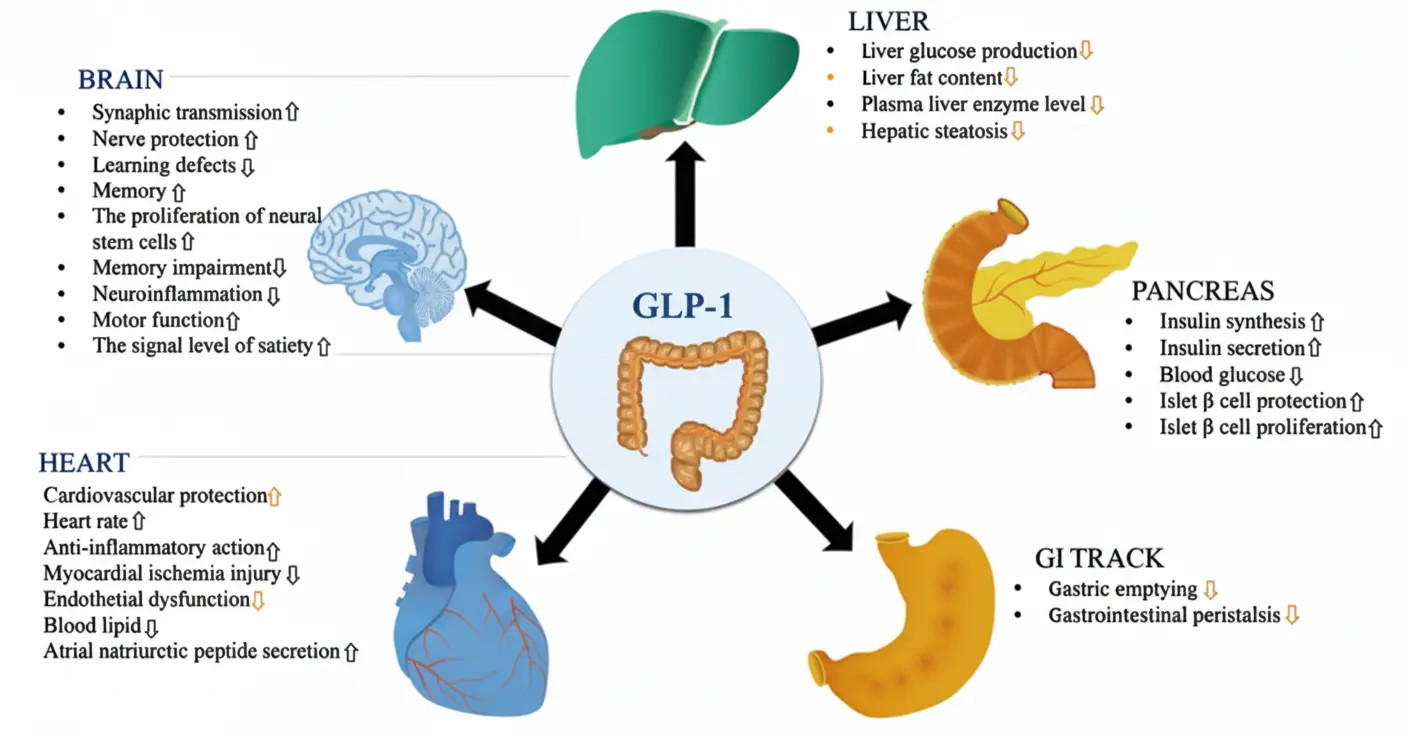
Mechanism: GLP-1 receptor agonists mimic the gut hormone GLP-1, released after meals. They enhance glucose-dependent insulin secretion, suppress excess glucagon, slow gastric emptying, and act on appetite centers in the brain. By combining these effects, GLP-1 analogs lower blood sugar and reduce caloric intake.
Research Highlights: Exenatide, derived from Gila monster venom, was the first GLP-1 analog approved in 2005. Long-acting analogs like liraglutide (daily) and semaglutide (weekly) followed, demonstrating superior efficacy in both glycemic control and weight reduction. Semaglutide, in particular, has become a blockbuster drug for diabetes and obesity, providing a paradigm shift in treatment approaches.
Tirzepatide (Dual GIP/GLP-1 Agonist)
Class: Dual incretin agonist
Mechanism: Tirzepatide simultaneously activates GIP and GLP-1 receptors. GIP enhances insulin secretion and improves fat utilization, while GLP-1 regulates glucose and appetite. The dual pathway leads to superior metabolic outcomes compared to single-receptor agonists.
Research Highlights: Clinical trials (SURPASS for diabetes and SURMOUNT for obesity) reported unprecedented weight loss over 20% in high-dose obesity studies and remarkable blood sugar control. In 2022, tirzepatide gained FDA approval for type 2 diabetes. Its efficacy in tirzepatide 5mg weight loss studies has generated substantial excitement, positioning it as a potential game-changer in obesity therapy.
Amylin Mimetics (Pramlintide and Analogs)
Class: Amylin receptor agonists
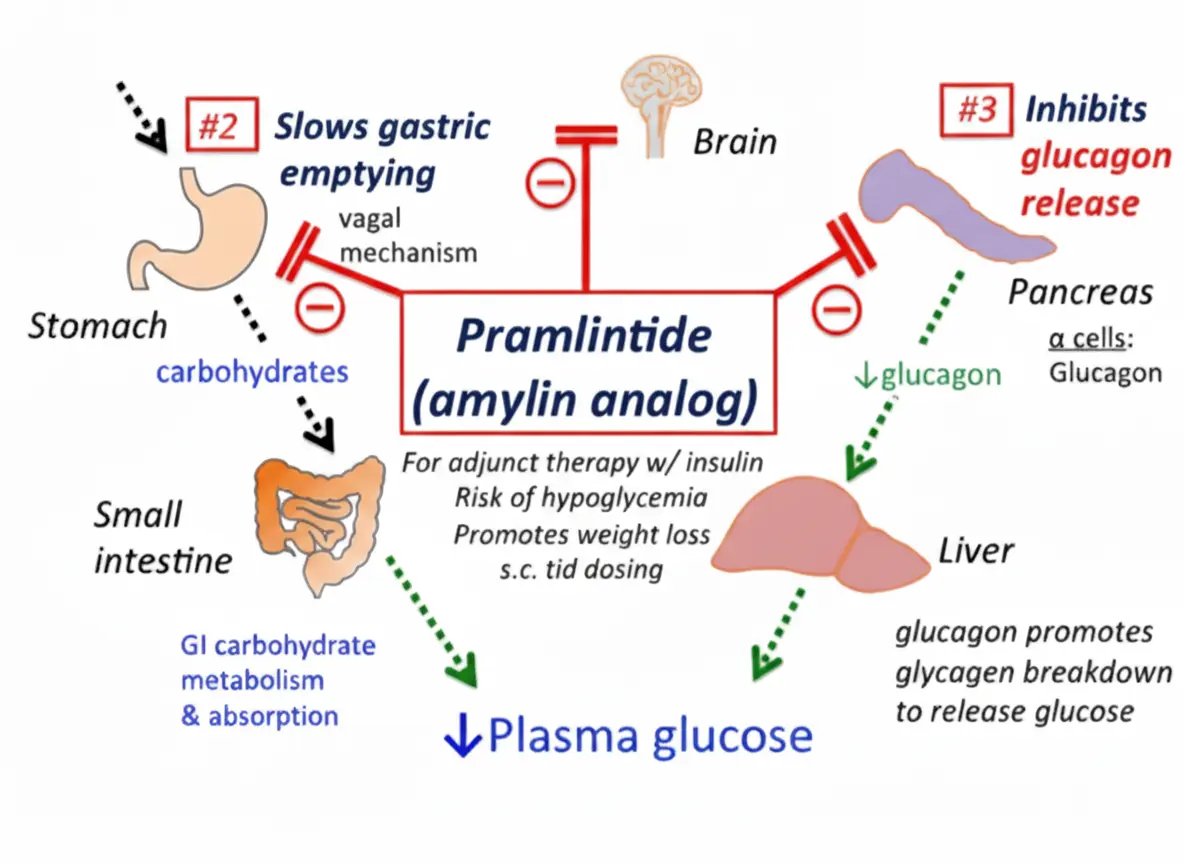
Mechanism: Amylin, co-secreted with insulin, promotes satiety, slows gastric emptying, and suppresses glucagon. These effects complement insulin's actions, particularly post-meal.
Research Highlights: Pramlintide, approved in 2005, improves glycemic control and induces modest weight loss. Next-generation amylin analogs, often combined with GLP-1 peptides, show promise for more substantial weight reduction, marking a renewed focus on hybrid peptide therapies.
Mitochondrial Peptides (MOTS-c)
Class: Mitochondria-derived peptide
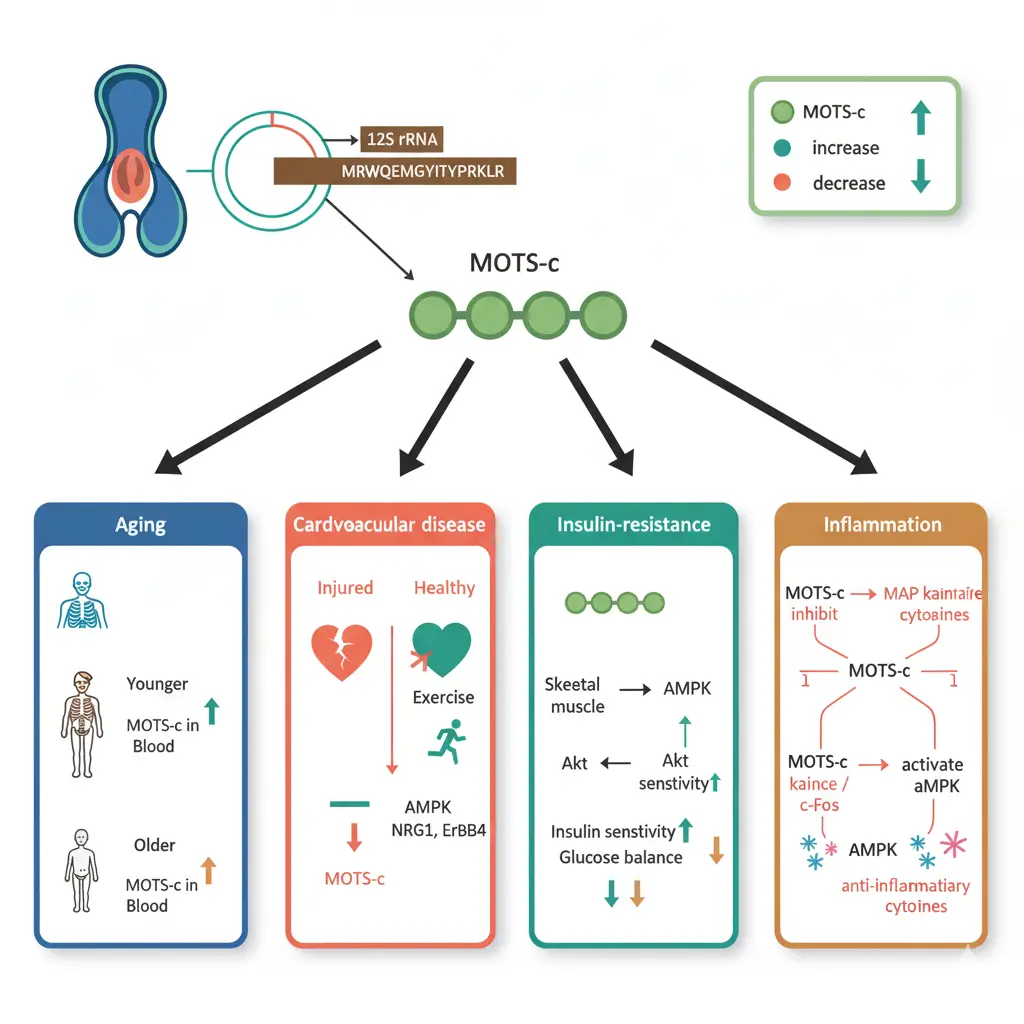
Mechanism: MOTS-c, encoded by mitochondrial DNA, activates AMPK and other metabolic pathways, enhancing glucose uptake, fatty acid oxidation, and insulin sensitivity.
Research Highlights: In mice, MOTS-c prevents obesity on high-fat diets, improves glucose tolerance, and restores youthful metabolic profiles in aging models. Its potential as an "exercise mimetic" underscores its value in metabolic research.
FGF21 Analogs
Class: Fibroblast Growth Factor 21 derivatives
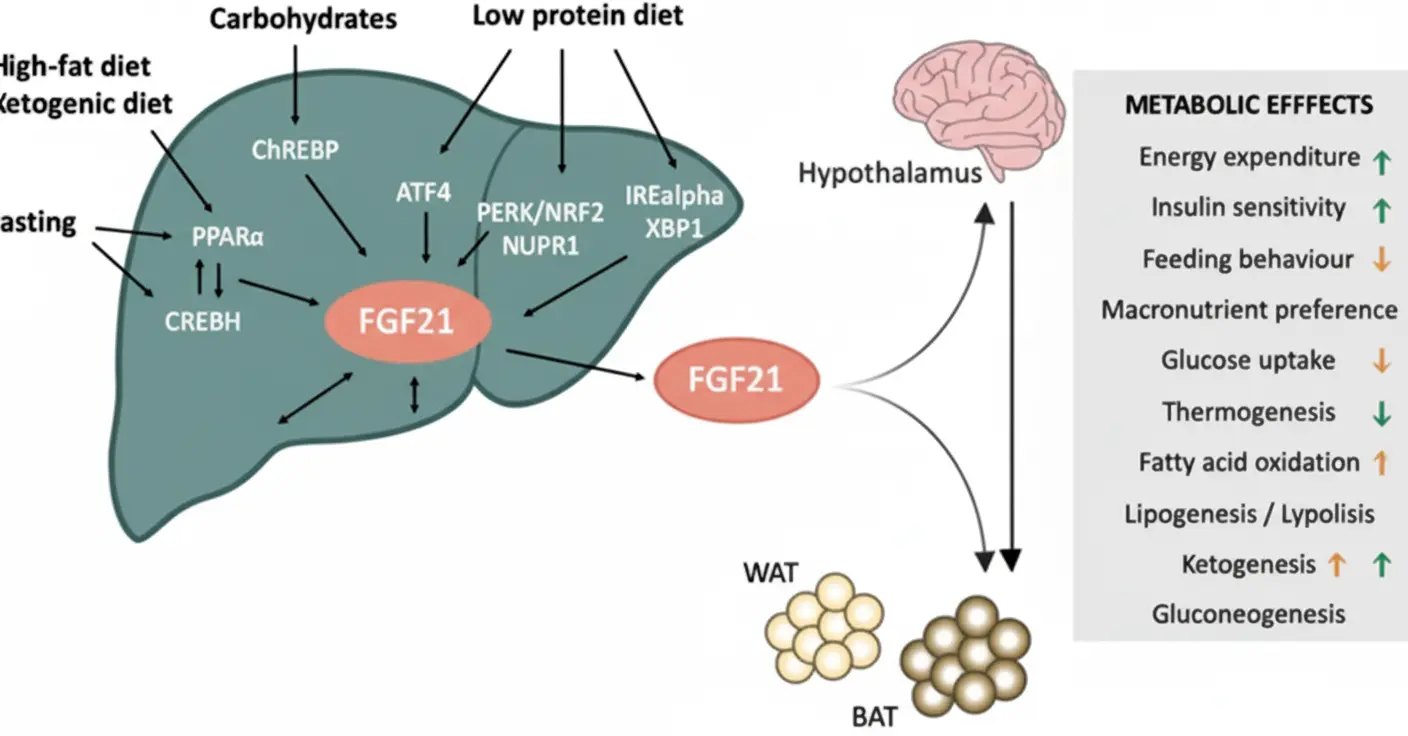
Mechanism: FGF21 is an endocrine peptide regulating energy balance. It enhances insulin sensitivity, promotes fatty acid oxidation, and supports weight reduction. Engineered FGF21 analogs improve stability and metabolic efficacy.
Research Highlights: Clinical trials demonstrate modest weight loss, improved lipid profiles, and reduced liver fat. Ongoing studies explore combination therapies for enhanced effects on glucose and lipid metabolism.
Setmelanotide and Melanocortin Peptides
Class: MC4R agonists
Mechanism: Setmelanotide activates the MC4 receptor in the hypothalamus, reducing appetite and increasing energy expenditure. Melanotan-II analogs, while less selective, also stimulate MC4R and influence appetite and sexual function.
Research Highlights: Setmelanotide produces dramatic weight loss in rare genetic obesity syndromes, validating targeted melanocortin therapy. Research interest in buy melanotan peptide for experimental studies continues, though clinical safety remains a priority.
Oxyntomodulin and Dual-Action Peptides
Class: GLP-1/Glucagon dual agonists
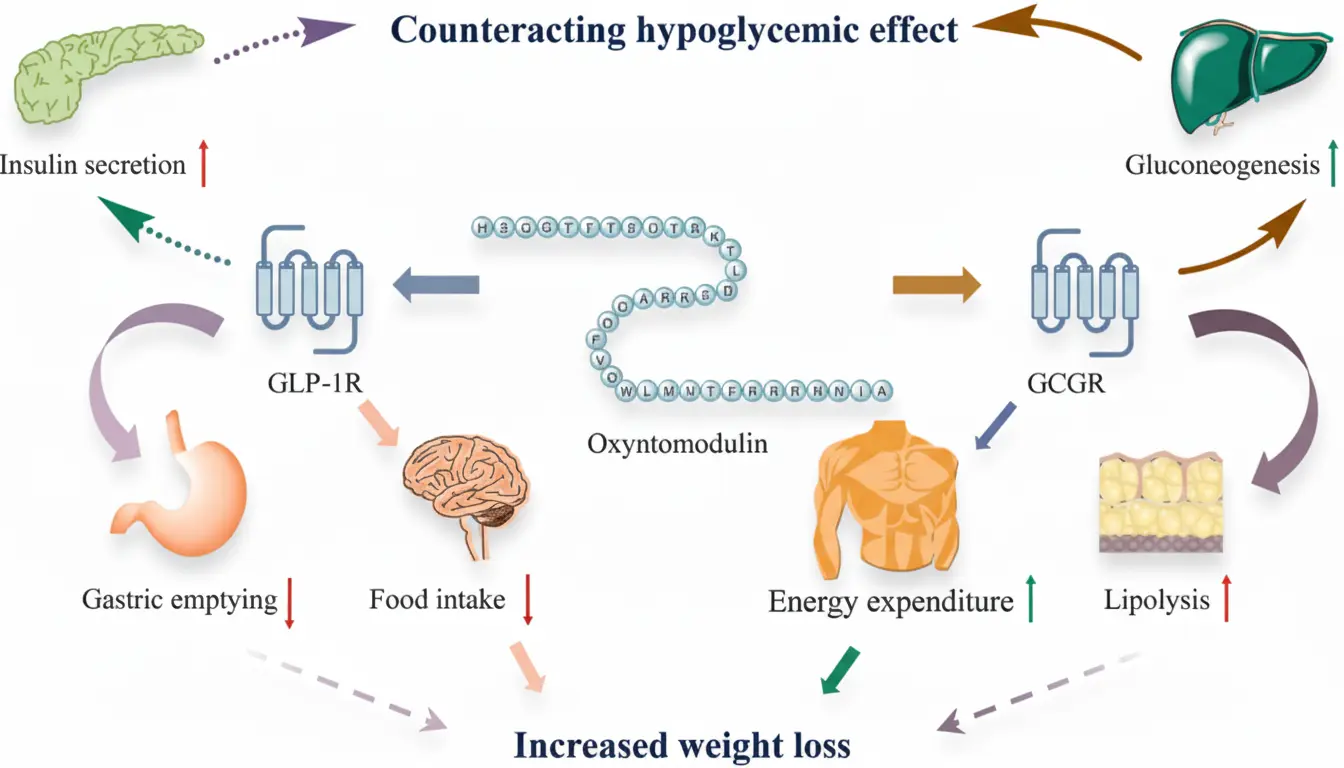
Mechanism: Oxyntomodulin binds both GLP-1 and glucagon receptors, reducing appetite while slightly increasing energy expenditure. This combination maximizes weight loss without raising blood glucose.
Research Highlights: Clinical studies confirm superior weight reduction over GLP-1 alone. Modified analogs prolong activity and improve tolerability, supporting the development of multi-receptor metabolic peptides.
BPC-157 (Body Protection Compound 157)
Class: Synthetic gastrointestinal peptide
Mechanism: BPC-157 promotes angiogenesis, tissue repair, and anti-inflammatory activity. It protects gut mucosa, supports musculoskeletal healing, and modulates the brain-gut axis.
Research Highlights: Discovered in the 1990s, BPC-157 has been studied for ulcers, tendon injuries, nerve damage, and inflammatory conditions. Its excellent safety profile makes it a popular option in regenerative research, and many researchers seek to buy BPC 157 for preclinical exploration. While not a direct metabolic peptide, BPC-157 may support metabolic health indirectly by improving gut integrity and physical activity potential.
Adropin
Class: Endogenous peptide hormone
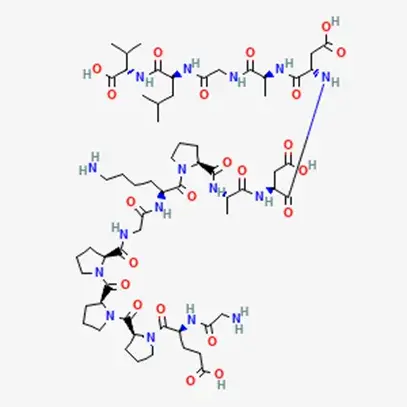
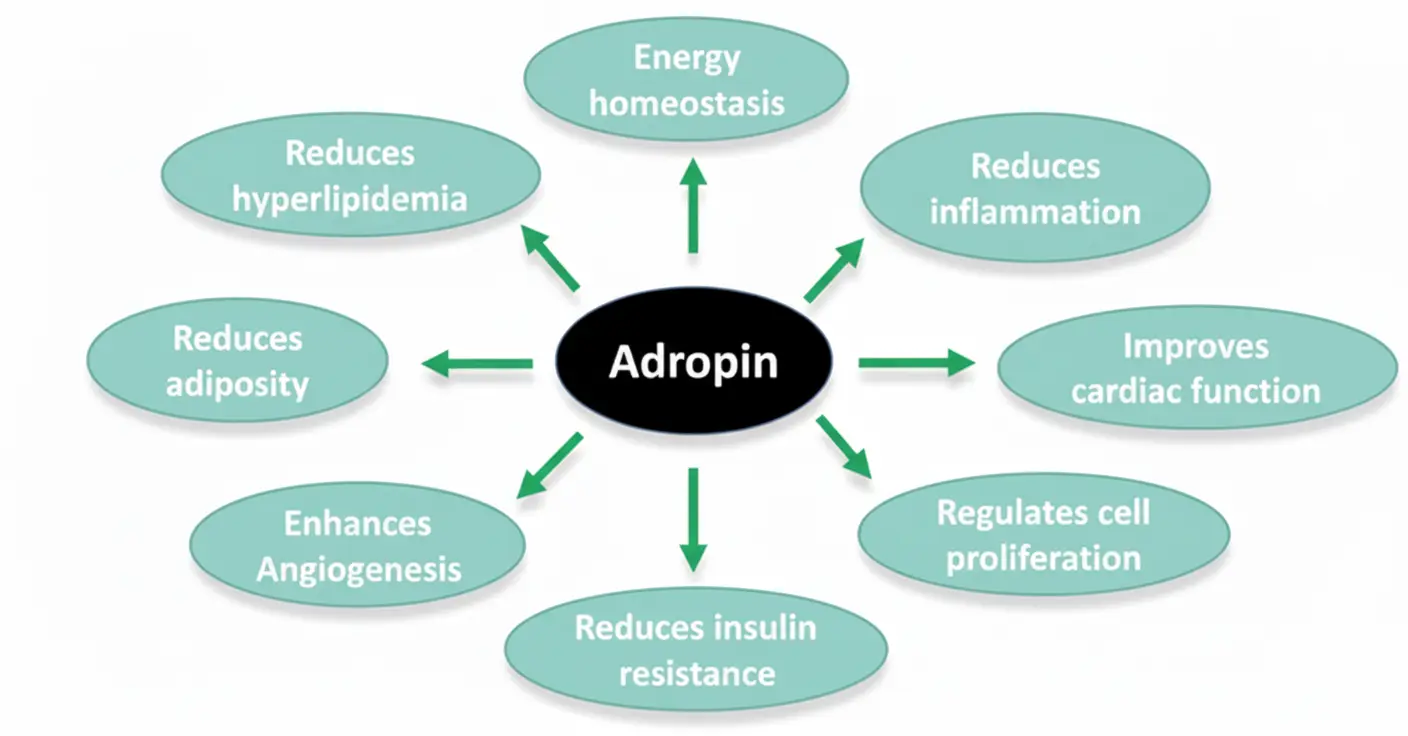
Mechanism: Adropin regulates insulin sensitivity, glucose uptake, and lipid metabolism. It enhances AMPK signaling and reduces gluconeogenesis, promoting better metabolic health.
Research Highlights: Animal studies show that adropin supplementation prevents diet-induced obesity and insulin resistance. Observational human studies link lower adropin levels to obesity and type 2 diabetes, suggesting its potential as a therapeutic target.
GHRH Analogs (Tesamorelin)
Class: Growth hormone-releasing hormone analogs
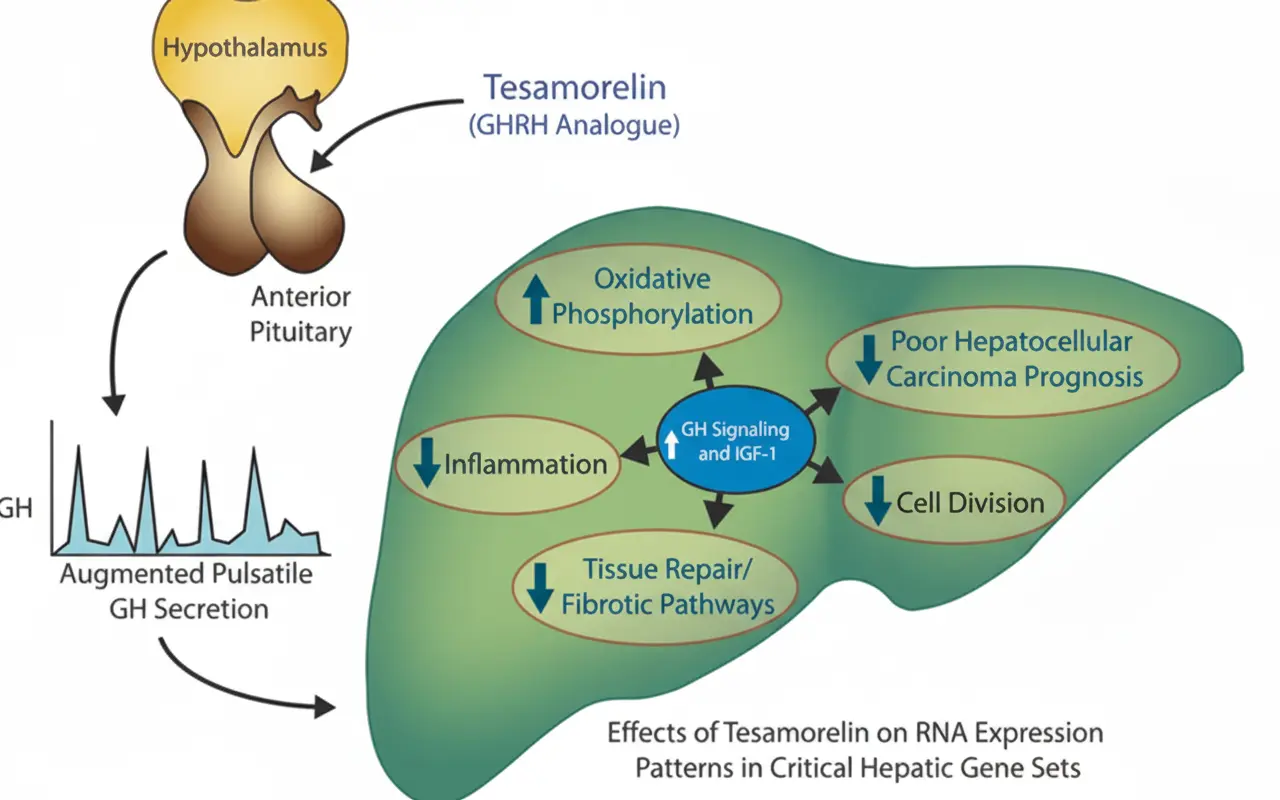
Mechanism: Tesamorelin stimulates pulsatile growth hormone release, promoting lipolysis particularly in visceral fat and enhancing lean muscle mass.
Research Highlights: Initially approved for HIV-associated lipodystrophy, tesamorelin reduces visceral fat and liver fat while improving metabolic profiles. Its role in non-alcoholic fatty liver disease (NAFLD) and obesity is currently being explored.
Peptides for Sale: Expanding Research Opportunities
The growing interest in peptides has resulted in a variety of peptides for sale for research purposes. Researchers can access compounds like BPC-157, melanotan peptides, GLP-1 analogs, and experimental mitochondrial peptides to study mechanisms, optimize therapies, and explore novel interventions. The controlled availability of these peptides is crucial for advancing scientific understanding while ensuring safety and reproducibility in research settings.
Conclusion
Peptide therapeutics are transforming the approach to metabolic disorders. By mimicking the body's natural hormonal regulators, peptides offer precision, potency, and flexibility unmatched by conventional drugs. From GLP-1 receptor agonists and tirzepatide to BPC-157 and melanocortin peptides, these molecules provide innovative solutions to the dual epidemics of diabetes and obesity.
With continued research, peptide therapies may offer a future where type 2 diabetes can be effectively managed or even reversed, obesity can be treated without invasive surgery, and metabolic health can be maintained with unprecedented efficacy. For researchers, access to peptides for sale and options to buy BPC 157 or buy melanotan peptide is vital to advancing this rapidly evolving field. The ongoing exploration of peptides heralds a new era in metabolic medicine, offering hope for millions affected by diabetes, obesity, and related complications.