
Peptide Hubs Articles
Inside every cell of your body exists a sophisticated communication network between your mitochondria and the rest of your cellular machinery.

In the late 1980s, Professor Vladimir Khavinson at Sankt Petersburg University made a groundbreaking discovery that would fundamentally alter our understanding of cellular aging. His research into the pineal gland, a small, mysterious organ deep within the brain revealed a naturally occurring tetrapeptide called epithalamin.

Aging is a natural process, but the desire to age gracefully with vitality, confidence, and optimal health has never been stronger.
In the ever-evolving world of skincare and hair care, there are ingredients that cause a stir, and then there are those that prove their worth by standing the test of time and science. Copper peptides belong firmly in the latter category. Once a niche ingredient revered by dermatologists, these tiny molecular messengers have now become a non-negotiable component in many advanced beauty routines.
If you’ve been keeping up with skincare trends, you’ve probably noticed one ingredient making headlines everywhere—peptides.
These tiny, yet mighty, molecules are no longer confined to the realms of advanced clinical research. They've moved into the mainstream, gaining traction among everyone from biohackers and elite athletes to those simply seeking better skin, deeper sleep, or improved metabolic health.

The relentless pursuit of muscle growth, rapid recovery, and peak performance is the driving force for every serious bodybuilder. While diet and training are the foundation, the modern fitness landscape has embraced powerful signaling molecules to optimize the body's natural processes. Among the most popular of these are Growth Hormone Releasing Peptides (GHRPs), and GHRP-2 stands out as a potent player.
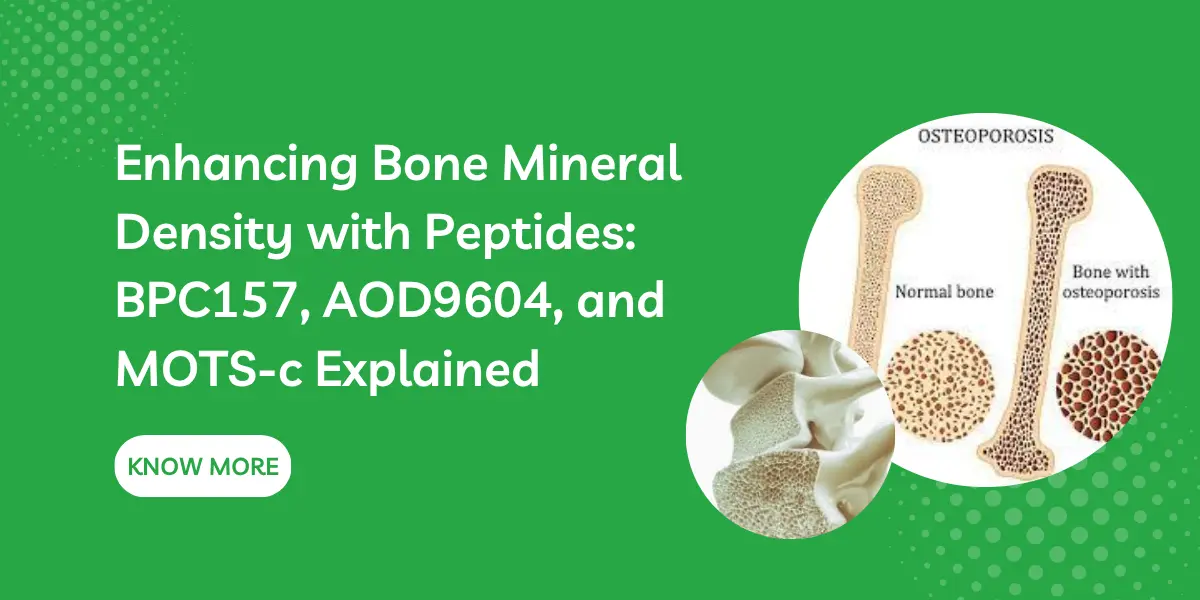
Osteoporosis stands as the most widespread skeletal system disease globally, characterized by deteriorating bone microarchitecture that leads to increased fragility and heightened fracture risk.
The human vascular system represents one of medicine's most critical frontiers, particularly when addressing diseases that attack endothelial cells the delicate lining of blood vessels throughout the body. When these cells become compromised, a cascade of complications can ensue, affecting multiple organ systems simultaneously.
Tendons are the unsung heroes of movement and strength dense, fibrous tissues that anchor muscles to bones and absorb the forces that allow every lift, stride, and stretch. Despite their toughness, tendons are also vulnerable. Sports injuries, repetitive strain, and trauma can lead to painful tears or chronic inflammation.
In the rapidly advancing world of regenerative medicine, peptides have captured scientific and clinical attention for their ability to enhance healing, recovery, and cellular repair. Among these remarkable molecules, Thymosin Beta 4 (Tβ4) stands out for its multifaceted therapeutic potential.
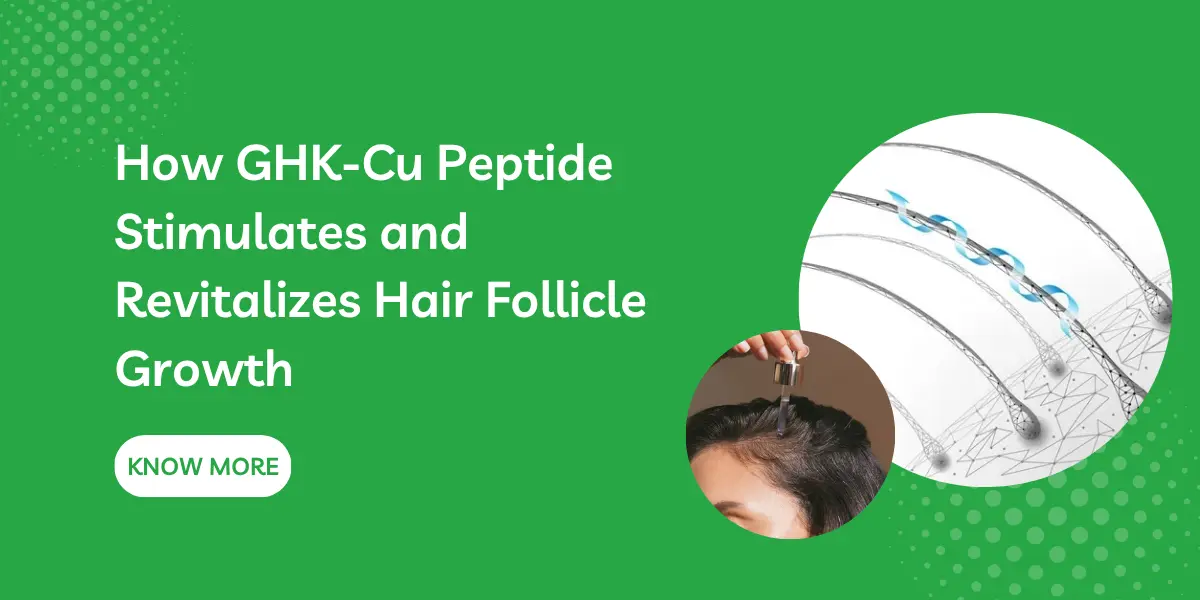
Hair loss (from androgenetic alopecia to telogen effluvium and scarring alopecia) affects quality of life across ages and genders, yet our “big two” pharmacologic options finasteride and minoxidil don’t work for everyone and can have adherence-limiting side effects.