
Peptide Hubs Articles

Central to this biological economy is a molecule that has recently captured the intense focus of the scientific community: Nicotinamide Adenine Dinucleotide (NAD+).

At the forefront of this evolution is the study of growth hormone secretagogues (GHS) compounds that don't just mimic hormones but instead signal the body’s own systems to optimize production. Among the most discussed combinations in contemporary laboratory studies is the synergistic pairing of Sermorelin and Ipamorelin.
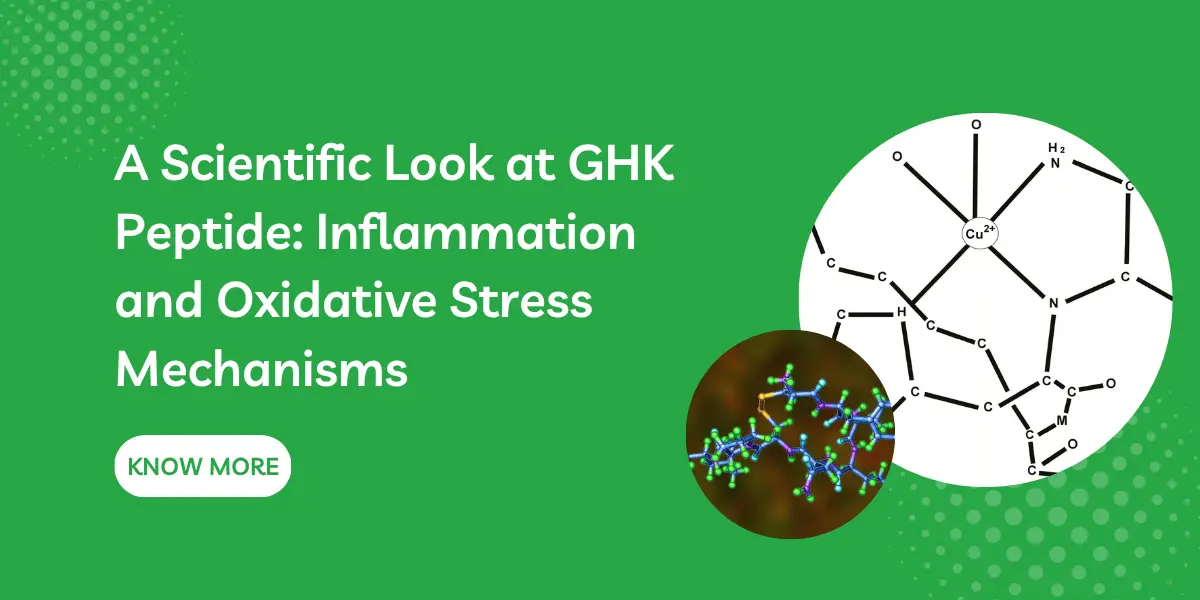
Often referred to as a "signal peptide," GHK is a naturally occurring tripeptide found in human plasma, though its levels notably decline as an organism ages. This decline has led researchers to investigate GHK as a pivotal factor in the aging process, particularly concerning how the body manages inflammation and oxidative damage.
Among these molecular messengers, the Delta Sleep-Inducing Peptide (DSIP) stands out as a particularly enigmatic and versatile subject of study. Originally isolated in the 1970s from the cerebral venous blood of rabbits in a state of induced sleep, this nonapeptide (a nine-amino acid chain) has since transcended its name.
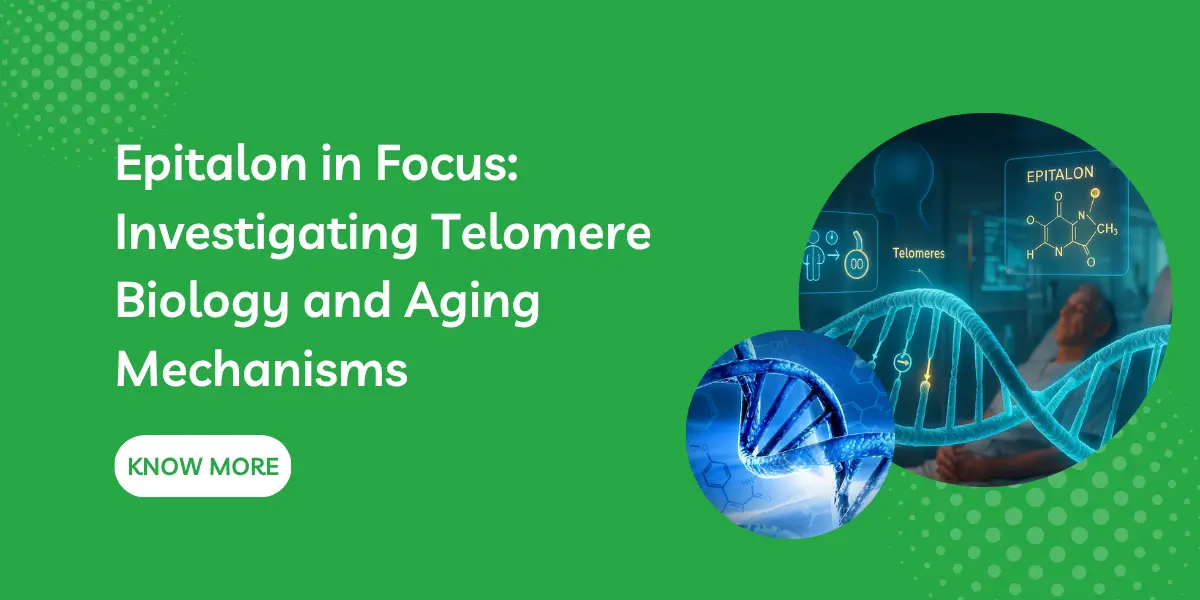
Originally synthesized by Professor Vladimir Khavinson at the St. Petersburg Institute of Bioregulation and Gerontology, this tetrapeptide has become a primary Research Peptide for those investigating the fundamental mechanisms of cellular aging.
A relatively recent addition to the world of experimental pharmacology, this peptide is a truncated, synthetic derivative of Spadin, a naturally occurring protein found within the mammalian central nervous system.
By modulating immune cell activity, balancing inflammatory pathways, and potentially disrupting viral replication, Selank represents a fascinating frontier in infection research.

As researchers move beyond traditional hormonal replacements, the focus has shifted toward highly specialized signaling molecules that govern tissue repair, cellular longevity, and structural adaptation. Among these, PEG-MGF (Polyethylene Glycol Mechano Growth Factor) has emerged as a standout subject of study.

In this detailed guide, we will explore the synergistic mechanisms of these two peptides, their clinical applications, the vital importance of sourcing, and the safety protocols necessary for those conducting growth hormone research.
These biological messengers are revolutionizing modern medicine by offering highly targeted interventions for metabolic and regenerative health.

From high-tech laboratories to specialized wellness clinics, the peptide space has seen a significant uptick in drug discovery, clinical research, and therapeutic applications. Despite this boom, these treatments remain unfamiliar to many prospective patients who aren’t exactly sure what peptides are or how they work.
Often referred to in research circles as the "anti-aging molecule," NAD+ is a fundamental coenzyme found in every living cell. While it is technically a dinucleotide rather than a traditional peptide, its synthetic application and physiological study often overlap with the world of peptide research.